
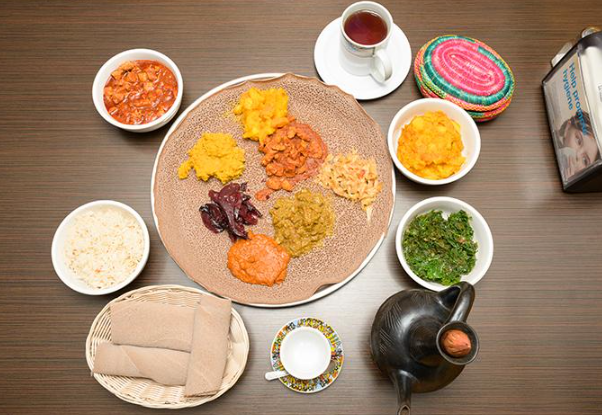
African cuisine is a vibrant tapestry woven from diverse cultures, traditions, and geographical influences. With a plethora of unique flavors and ingredients, African home cooking is a celebration of community and heritage. Let’s explore some of the key elements that define the exquisite flavors of African kitchens.
1. The Spice Palette
Spices play an integral role in African cooking, often transforming simple ingredients into extraordinary dishes. Each region boasts its own set of spices, with common flavors including cumin, coriander, and cardamom. For example, Moroccan tagines are famous for their use of ras el hanout, a complex blend of spices that can include as many as 30 different types, giving the dish its unique taste. Additionally, many dishes are infused with fresh herbs like cilantro and parsley, enhancing the overall flavor profile.
In West Africa, the use of ingredients like nutmeg, garlic, and alligator pepper is prevalent. These spices not only add heat and depth but also contribute to the aroma that defines many traditional meals. For instance, jollof rice, a popular West African dish, is known for its rich flavors derived from tomatoes, onions, and a medley of spices which vary from country to country.
-
- Experiment with different spice mixes to find your favorite combination.
-
- Always toast whole spices before grinding to release their essential oils.
-
- Incorporate spices gradually; taste as you go to avoid overwhelming flavors.
-
- Store spices in a cool, dark place to maintain their potency.
2. Essential Ingredients: Grains, Legumes, and Vegetables
The heart of many African dishes is centered around grains, legumes, and vegetables. Staples such as rice, millet, and sorghum are commonly used, providing the foundation for meals. For instance, injera, an Ethiopian sourdough flatbread, is made from teff, a nutritious grain that’s gluten-free and packed with protein. Meanwhile, moringa leaves and okra are popular in various regional dishes, adding nutritional value as well as texture.
Legumes like chickpeas, lentils, and black-eyed peas are not only filling but also serve as essential protein sources. In Senegal, a dish known as “thieboudienne” features rice and fish, served with a sauce made from a blend of tomatoes, onions, and various vegetables. The dish illustrates how ingredients come together to create not just sustenance but a rich culinary experience.
-
- Incorporate a variety of grains in your meals for diverse textures and tastes.
-
- Soak legumes before cooking to reduce cooking time and enhance digestibility.
-
- Experiment with local vegetables to discover unique flavors.
-
- Make sure to season libraries with ample herbs for added zest.
3. Methods of Cooking and Serving
The methods of cooking in African households vary widely but often focus on techniques that foster communal eating and sharing. One traditional method is steaming; in many East African cultures, dishes are prepared over an open flame using clay pots. This technique not only locks in flavors but also brings out the natural tastes of the ingredients. For example, Ugali, a staple maize dish, is typically served alongside stews and sauces, encouraging a shared dining experience.
Frying is another popular method, especially for snacks and appetizers. In Nigeria, for instance, puff-puff is a well-loved treat made by deep-frying dough balls until golden brown, often enjoyed during festive occasions. The communal aspect of cooking and sharing calls for larger portions and family-style serving, creating a warm and inviting atmosphere around the table.
-
- Choose cooking methods that preserve the nutritional value of your ingredients.
-
- Utilize communal serving dishes to foster a spirit of togetherness.
-
- Cook with friends or family to make meal preparation a social event.
-
- Explore various cooking techniques to elevate your flavor profiles.
African home kitchens offer a vibrant culinary experience filled with flavors that resonate with history and tradition. By exploring these elements, you can create authentic dishes in your own kitchen while enjoying the richness of African cuisine. So why not start your culinary journey today by trying out some local recipes or experimenting with African spices and ingredients?