
Embarking on a culinary journey through Africa is a vibrant experience, showcasing diverse flavors and techniques that reflect the continent’s rich heritage. Understanding the essential items found in an African kitchen can enhance your cooking skills and allow you to create authentic dishes that honor tradition.
1. Cooking Utensils and Tools
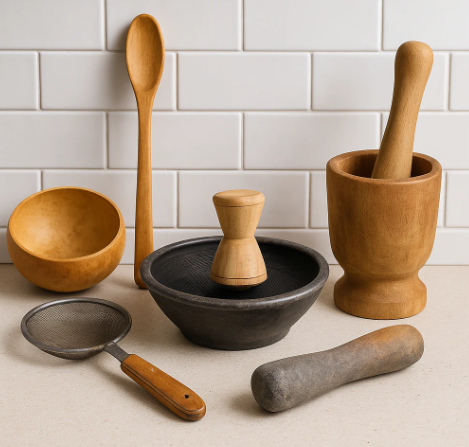
In an African kitchen, the variety and style of cooking utensils can vary widely depending on the region. Essential tools include the jiko (a charcoal stove), cast iron pots, and wooden spoons. Each of these items brings efficiency and authenticity to cooking methods, especially when preparing traditional dishes like stews or grilled meats.
Another important element is the mortar and pestle, commonly used for grinding spices and making pastes. This traditional tool emphasizes the hands-on approach to cooking that is a hallmark of African cuisine. Whether you are making a spicy spice blend or preparing a traditional dish, these tools are indispensable.
-
- Invest in a well-made cast iron pot for even cooking.
-
- Use a mortar and pestle for authentic spice grinding.
-
- Consider a jiko or similar stove for outdoor cooking.
-
- Have a variety of wooden spoons for different cooking tasks.
2. Essential Spices and Seasonings
Spices play a crucial role in African cooking, providing depth and flavor to dishes that range from the mildly fragrant to intensely spicy. Common spices include berbere (from Ethiopia), ras el hanout (from North Africa), and tamarind, each contributing to the uniqueness of regional recipes. Knowing how to use these spices can elevate your home cooking and transport you to distant locales.
Beyond spices, other seasonings such as garlic, ginger, and fresh herbs are widely used. Understanding how to balance these elements offers a way to adapt recipes to your taste while staying true to their origins. For instance, adding lemon juice to braised meats can brighten the flavors and create a refreshing contrast.
-
- Stock up on common spices such as cumin, coriander, and paprika.
-
- Experiment with regional spice blends for variety.
-
- Always use fresh herbs for maximum flavor impact.
-
- Balance spices with acidic elements like lemon or vinegar.
3. Staple Foods in African Cuisine
Rice, cassava, yam, and millet represent some of the staple foods across various African cultures. These ingredients serve as the foundation for countless meals and offer nutritional benefits, ensuring a balanced diet. Incorporating grains and tubers into your cooking not only respects traditional methods but also provides essential carbohydrates.
Different regions have their own combinations of staples. For instance, while West Africa frequently uses rice and yams, East Africa may lean towards ugali (a maize porridge). Each of these staples can be paired with rich sauces, vegetables, and proteins to create wholesome dishes. Exploring these combinations can lead to delightful new meals in your kitchen.
-
- Invest in a variety of staple foods from different regions.
-
- Learn to make traditional dishes using these staples.
-
- Combine grains with legumes for a complete protein.
-
- Experiment with different cooking methods, like steaming or frying.
4. Unique Kitchen Gadgets
African kitchens often feature unique gadgets that enhance the cooking experience. One such example is the “tagine,” a Moroccan dishware used for slow-cooked stews, which helps retain moisture and flavors. Another essential gadget is the “broadleaf” used in West Africa for wrapping foods, adding distinct aromas during cooking.
Investing in these unique gadgets can amplify your kitchen skills and diversify your cooking methods. While some might not be commonplace in Western kitchens, incorporating them allows for experimentation with new flavors and techniques, enriching the culinary experience.
-
- Explore traditional cooking ware like tagines and clay pots.
-
- Utilize wraps or leaf packaging for steaming dishes.
-
- Experiment with both indoor and outdoor cooking methods.
-
- Don’t hesitate to ask local chefs for traditional tools.
5. Local Ingredients and Produce
Fresh produce is vital in African cuisine; local markets brim with colorful fruits and vegetables, such as plantains, okra, and various greens. Incorporating seasonal ingredients into your meals not only supports local farmers but also enriches the flavors and nutritional value of your dishes. Understanding what’s in season can inspire creativity when preparing meals.
Additionally, learning to source unique produce can lead to exciting culinary adventures. Trying local varieties of squash or beans can introduce new textures and flavors to familiar dishes. Embracing the use of fresh, locally sourced ingredients is both environmentally friendly and satisfying for your palate.
-
- Visit local markets to discover seasonal produce.
-
- Utilize fresh ingredients to ensure flavor and nutrition.
-
- Experiment with uncommon vegetables to expand your palate.
-
- Inquire about farming practices to connect with local sources.
In conclusion, equipping your kitchen with these African essentials opens the door to a world of flavors and cultural appreciation. By embracing these tools, ingredients, and techniques, you can create authentic dishes and deepen your culinary skills. So, gather your essentials, let your taste buds embark on a journey, and start cooking today!