
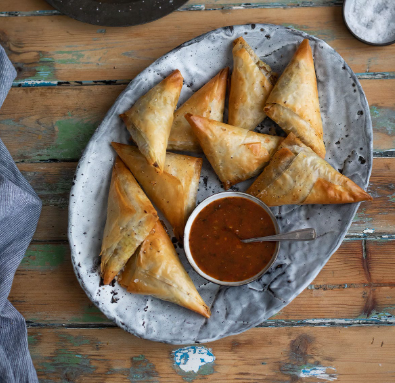
African traditional recipes are a remarkable convergence of flavors, ingredients, and cultural significance. Each dish tells a story of the people, their history, and their environment. This blog post will explore some of the most cherished recipes from various regions across Africa, celebrating the culinary diversity that makes the continent unique.
1. Jollof Rice: A West African Staple
Jollof Rice is a beloved dish across West Africa, known for its rich combination of tomatoes, peppers, and spices. The origins of Jollof Rice are claimed by several countries, including Nigeria, Ghana, and Senegal, each adding their own twist to the preparation. Typically served at gatherings and celebrations, this dish is easy to make and can cater to various diets, making it a favorite for both locals and visitors.
The preparation begins with a base of blended tomatoes, onions, and bell peppers known as the “base sauce.” This is seasoned with spices like thyme, curry powder, and bay leaves, giving Jollof its signature flavor. The rice is cooked directly in the sauce, allowing it to absorb the delicious flavors. Many variations include adding proteins such as chicken, fish, or even vegetables for a vegan option.
-
- Choose long-grain rice for fluffier texture.
-
- Allow the rice to simmer uncovered to achieve a smoky flavor.
-
- Experiment with different seasonings to discover your perfect blend.
-
- Serve with fried plantains for a traditional side.
-
- Prepare larger portions for celebrations to share with family and friends.
2. Injera: The Ethiopian Flatbread
Injera is more than just a flatbread; it is a cultural icon in Ethiopia and a centerpiece of meals. Made from teff flour, it has a unique sour taste, which comes from the fermentation process. Injera serves as both a plate and an edible utensil, providing a delicious way to enjoy various stews and dishes.
The process of making Injera begins with mixing teff flour and water to create a batter that is left to ferment for several days. This fermentation not only gives the bread its flavor but also enhances its nutritional profile, making it a good source of protein and fiber. Once ready, it is cooked on a large round pan, creating a spongy texture with characteristic holes on the surface that help soak up sauces.
-
- Use a non-stick pan for the best results.
-
- Allow the mixture to ferment in a warm place to develop flavor.
-
- Pair Injera with stews like Doro Wat or Shiro for a complete meal.
-
- Experiment with different flours for variations in taste and texture.
-
- Try using fresh ingredients for accompanying dishes to enhance your meal.
3. Bobotie: A South African Classic
Bobotie is a traditional South African dish that reflects the country’s multicultural heritage, combining influences from Dutch, Indian, and Malay cooking. This savory baked dish features spiced minced meat and is typically topped with a custard-like egg mixture. Served with rice and chutney, Bobotie is a comforting meal that showcases the rich flavors of South Africa.
To prepare Bobotie, ground meat—usually beef or lamb—is sautéed with onions, garlic, and spices like curry powder, turmeric, and bay leaves. After combining the meat with bread soaked in milk and adding dried fruits like raisins for sweetness, the mixture is placed in a baking dish and topped with an egg and milk custard before baking. The result is a delightful combination of flavors and textures that appeals to many.
-
- Use a combination of meats for a richer flavor.
-
- Let the mixture sit overnight to deepen the flavors.
-
- Serve with a side of sambal or chutney for added zest.
-
- Experiment with dried fruits like apricots or prunes for sweetness.
-
- Garnish with fresh herbs to enhance serving aesthetics.
Exploring African traditional recipes is a journey into the heart of the continent’s diverse cultures and history. From Jollof Rice to Injera and Bobotie, each dish offers a unique culinary experience. Embrace these recipes in your kitchen; perhaps they’ll inspire you to explore further into the rich fabric of African cuisine.