
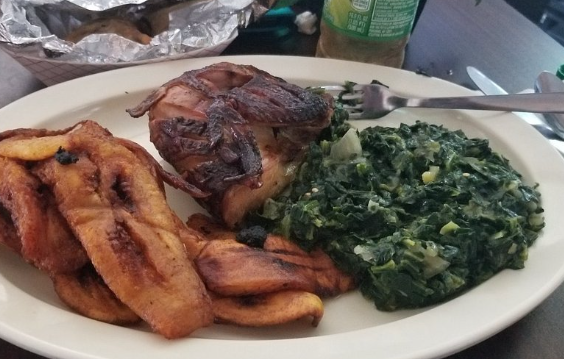
African village cuisine offers a rich tapestry of flavors, ingredients, and cooking methods that reflect the diverse cultures and traditions of the continent. From savory stews to aromatic spices, these dishes tell a story of community, sustainability, and heritage.
1. The Heart of African Ingredients
The foundation of African village cuisine is its use of local ingredients. Staples such as maize, millet, sorghum, and cassava provide the base for many dishes. In regions like West Africa, rice and beans are prominent, while tubers like yams and sweet potatoes are essential in many areas. These ingredients not only sustain but also connect communities to their agricultural traditions.
Additionally, vegetables and fruits play a significant role in African dishes. Leafy greens like amaranth and pumpkin leaves are commonly cooked into stews or served alongside grains. Tropical fruits, such as bananas, pineapples, and mangoes, add sweetness and texture, often enjoyed fresh or in desserts.
-
- Try sourcing local ingredients to appreciate their flavors fully.
-
- Experiment with various grains to find the best fit for your palate.
-
- Include seasonal fruits and vegetables for freshness and variety.
-
- Visit local markets to discover unique ingredients from different regions.
2. Traditional Cooking Techniques
The preparation of African village cuisine is as diverse as its ingredients. Many dishes are cooked over an open fire, using clay pots or simple metal cookware. This method not only infuses the food with smoky flavors but also strengthens community ties as families gather around the fire. In some cultures, steaming is preferred, often using bamboo or banana leaves to wrap foods, which helps retain moisture and nutrients.
Another common method is slow cooking, which allows flavors to meld together. For instance, traditional stews—like North African tagines—are often simmered for hours, resulting in rich, deep flavors. Fermentation is also popular for preparing dishes like injera (sourdough flatbread) in Ethiopia, showcasing the continent’s culinary ingenuity.
-
- Explore different cooking methods to enhance your culinary skills.
-
- Gather friends or family to experience communal cooking.
-
- Consider incorporating local potteries for an authentic feel.
-
- Be patient when slow cooking; it often leads to richer flavors.
3. Signature Dishes to Try
Diving into African village cuisine is incomplete without trying some iconic dishes. Jollof rice, popular in West Africa, is a one-pot wonder made with rice, tomatoes, and a blend of spices. Every country seems to have its own version, making it a fun dish to explore in various contexts. Another staple is Zimbabwean sadza, a stiff porridge made from maize flour and served with vegetables or meat.
No exploration of African cuisine would be complete without mentioning dishes like Ethiopian doro wat, a spicy chicken stew served with injera, or South African bobotie, a spiced minced meat baked with an egg topping. Each dish reflects the unique flavors and cooking traditions of its region, inviting you to combine tastes and techniques.
-
- Start by cooking one signature dish from a specific region.
-
- Involve family members in the cooking process for a collaborative experience.
-
- Pair your dishes with local beverages for a complete culinary experience.
-
- Take notes on the techniques and flavors you explore to build your knowledge.
African village cuisine is a delightful journey through culture and flavors that brings people together. By exploring these dishes and techniques, you invite a piece of this vibrant heritage into your kitchen. Embrace the adventure—try your hand at cooking a new dish and enjoy the rich flavors of Africa.
“`