
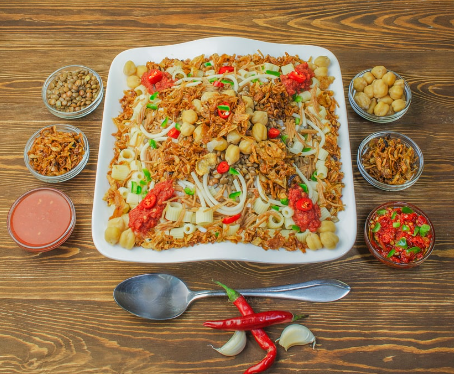
Egyptian food culture is a vibrant reflection of the country’s rich history and diverse influences. With a unique blend of flavors and ingredients, traditional Egyptian cuisine offers a culinary journey through time.
1. The Staples of Egyptian Cuisine
The foundation of Egyptian food culture is built on staples such as bread, rice, and legumes. Egyptian bread, particularly “aish,” is a flatbread served with almost every meal. It’s often enjoyed with various dips, like tahini or baba ghanoush, making it an essential component of the local diet. Similarly, rice is a prevalent side dish and serves as the base for many main courses, often flavored with spices and herbs.
Legumes play a crucial role in Egyptian cooking, particularly fava beans, which are used to make the popular dish “fuul.” This nutritious meal is often eaten for breakfast and is commonly garnished with olive oil, fresh vegetables, and spices. Together, these staples showcase the resourcefulness of Egyptian kitchens in creating delicious, hearty meals from simple ingredients.
-
- Try making homemade aish by mixing flour, water, and yeast.
-
- Experiment with rice dishes by adding saffron or turmeric for color.
-
- Include legumes in your diet for a plant-based protein source.
-
- Prepare breakfast fuul for a satisfying start to your day.
2. Traditional Flavors and Dishes
Egyptian cuisine is characterized by its use of bold flavors, merging spices like cumin, coriander, and garlic. Some classic dishes include “koshari,” a hearty mix of rice, pasta, lentils, and spicy tomato sauce, often garnished with crispy onions. This dish represents the comfort food of Egypt, perfect for a filling meal after a long day.
Another iconic dish is “moulokhia,” a green soup made from jute leaves, often flavored with garlic and coriander. Served with chicken or rabbit, it offers a unique taste that reflects the fresh, green ingredients of Egyptian agriculture. The intricate layering of flavors in these dishes is a testament to the country’s culinary richness.
-
- Try making koshari at home with lentils, pasta, and tomato sauce.
-
- Experiment with spices to find the perfect balance for your palate.
-
- Serve mou lokhia with a side of rice for a traditional meal.
-
- Attending a local Egyptian restaurant can enhance your familiarity with these flavors.
3. The Role of Street Food in Egyptian Culture
Street food is an integral part of Egyptian food culture, offering quick, affordable bites that capture the essence of local cuisine. Vendors selling items like “hawawshi” (seasoned meat in pita bread) and “koshari” can be found on every corner, catering to hungry locals and tourists alike. This food not only fills stomachs but also fosters community, as sharing a meal on the street is a common social activity.
Another beloved street food is “sambousak,” pastries filled with meat or vegetables. They provide a delicious, portable option for those on the go and are often accompanied by tangy sauces. The diversity of street food reflects the adaptability of Egyptian cuisine and the cultural importance of sharing meals in communal settings.
-
- Try street food options in Egypt for an authentic experience.
-
- Learn how to make sambousak as a fun and tasty cooking project.
-
- Engage with local vendors to understand their cooking styles.
-
- Always check for the freshest ingredients when buying street food.
Exploring Egyptian food culture is a rewarding experience that opens a window to the country’s history and traditions. With its rich flavors and communal spirit, it’s an invitation to savor every bite and even try cooking these dishes at home. Don’t hesitate to dive deeper into this culinary adventure!
“`