
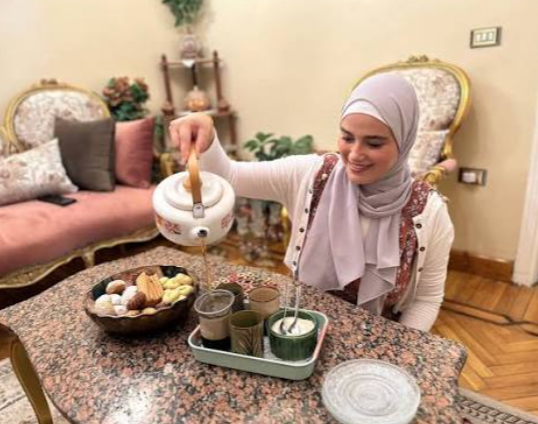
Egyptian home cooking is a vibrant tapestry of flavors, traditions, and communal experiences. Rooted in a rich history, this cuisine showcases a diverse range of ingredients and cooking methods that reflect the country’s cultural heritage.
1. The Core Ingredients of Egyptian Cuisine
At the heart of Egyptian cooking are staple ingredients that embody the essence of its flavors. Grains like rice and wheat play a central role; for instance, *koshari*, a national dish, combines rice, lentils, and pasta. Additionally, the use of legumes such as fava beans in dishes like *ful medames* provides both nutritional value and robust taste. Fresh vegetables, olive oil, and a variety of spices, including cumin and coriander, further enhance these foundational dishes.
Incorporating herbs like parsley and mint, Egyptians elevate the sensory experience of their meals. Seasonal fruits like pomegranates are used in salads and desserts, adding sweetness and visual appeal. These ingredients are not just food items; they carry the essence of Egyptian traditions and communal gatherings.
-
- Stock your pantry with essential grains and legumes.
-
- Choose fresh, seasonal produce for the best flavor.
-
- Experiment with traditional spices to develop depth in recipes.
-
- Utilize olive oil as a primary cooking fat for health benefits.
2. Traditional Egyptian Dishes You Must Try
When it comes to traditional Egyptian dishes, several stand out as must-tries for newcomers. *Mahshi*, which consists of vegetables stuffed with a spiced rice mixture, is a family favorite often prepared during gatherings. Similarly, *molokhia*, a green soup made from jute leaves, is beloved for its unique flavor and texture. These dishes not only satisfy hunger but also carry deep cultural significance.
Another iconic dish is *shawarma*, marinated meat served in pita bread, often garnished with tahini sauce and pickles. Each region in Egypt boasts its own variations, allowing for every dish to tell a different story. Exploring these dishes provides insight into the local customs and cooking methods passed down through generations.
-
- Try making *mahshi* with various vegetables—zucchini and eggplants are popular options.
-
- Investigate local markets for fresh ingredients to create authentic flavors.
-
- Pair dishes with Egyptian bread for a complete meal experience.
-
- Consider experimenting with spices to create a personal twist on traditional recipes.
3. The Role of Family in Egyptian Cooking
Cooking in an Egyptian household is often a communal activity, bringing family members together to share not only food but also stories and laughter. Family recipes are cherished heirlooms, and it’s common for mothers to pass down the art of cooking to their daughters. This tradition fosters a sense of belonging and continuity within the family unit.
<pFurthermore, meals are generally enjoyed together, emphasizing the importance of shared experiences. The joy of cooking is often tied to the gathering of loved ones, making every meal a celebration of heritage and connection. Special occasions, such as Ramadan, see families preparing dishes that are rich in flavor and symbolism, reinforcing bonds that tie them to their culture.
-
- Engage with family members when cooking—share techniques and stories.
-
- Host communal meals to strengthen family ties.
-
- Create a family recipe book to preserve culinary traditions.
-
- Involve children in cooking to pass down knowledge and enthusiasm.
In conclusion, Egyptian home cooking is more than just food—it is a journey through culture, history, and family. Embracing these culinary traditions can lead to an enriching experience, whether by trying new recipes or sharing meals with loved ones. So why not start your culinary adventure today?