
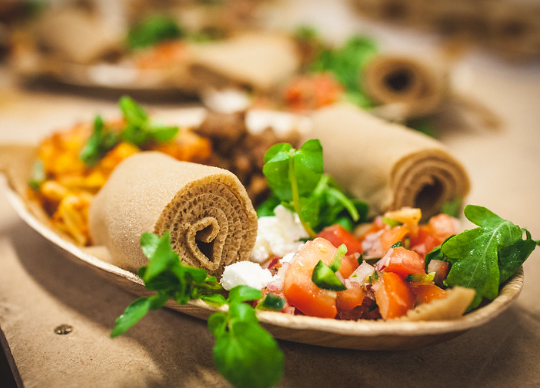
The rich tapestry of Ethiopian food culture is a vibrant blend of tradition, flavor, and communal spirit. As a cornerstone of Ethiopian life, food is not just sustenance but a shared experience that unites families and communities.
1. The Cornerstones of Ethiopian Cuisine
Ethiopian cuisine is famed for its unique ingredients and preparation methods. Central to many dishes is injera, a sourdough flatbread made from teff flour, which serves as both a plate and utensil. Meals are often served on a large platter, with a variety of stews known as wot, showcasing lentils, vegetables, and meat. The flavor profiles are overwhelmingly influenced by a blend of spices known as berbere, a quintessential Ethiopian seasoning that adds warmth and depth to dishes.
Traditionally, meals are communal, fostering a sense of togetherness among diners. Diners use their fingers to tear off pieces of injera and scoop up the various wots. This communal style not only enhances the dining experience but symbolizes the importance of sharing in Ethiopian culture. Sharing food is seen as an expression of trust and unity, making every meal a celebration of community.
-
- Try making injera at home using teff flour.
-
- Explore different varieties of wot, including vegetarian and vegan options.
-
- Experiment with berbere in your cooking for authentic flavor.
-
- Invite friends over for a communal Ethiopian meal experience.
2. The Role of Coffee in Ethiopian Culture
Coffee is deeply woven into the fabric of Ethiopian culture, often referred to as the birthplace of coffee. The traditional Ethiopian coffee ceremony is a ritual that can take hours, highlighting the significance of coffee as a social connector. Green coffee beans are roasted over an open flame, ground, and brewed in a special pot called a jebena, before being served in small cups, usually accompanied by popcorn or other snacks.
This ceremony is not just about drinking coffee; it’s about hospitality and community interaction. Guests are welcomed warmly, and the process emphasizes respect for tradition while fostering friendships. This practice has been handed down through generations, reflecting the deep-seated values of family and connection within Ethiopian society.
-
- Participate in an Ethiopian coffee ceremony for a cultural immersion.
-
- Learn how to roast and brew coffee traditionally at home.
-
- Invite others to share in the coffee experience, adding snacks for an authentic touch.
-
- Consider the social aspects of coffee drinking in your own culture.
3. Celebratory Dishes and Their Significance
Ethiopian food culture shines brightly during celebrations, with special dishes prepared for holidays, weddings, and other significant events. Dishes like kitfo, a raw minced beef dish seasoned with spices, show the diversity and bold flavors that characterize Ethiopian cuisine. For vegetarians, fasting periods bring forth an array of dishes made without animal products, featuring lentils, chickpeas, and an assortment of vegetables, all flavored with rich spices.
The preparation and sharing of these festive dishes serve to strengthen community bonds. During celebrations, families gather to prepare food collectively, reinforcing social ties while allowing shared responsibilities in cooking. The act of cooking together becomes a joyous event, with music, laughter, and storytelling filling the air, creating lasting memories among family and friends.
-
- Try preparing a festive dish for a family event or celebration.
-
- Learn about Ethiopian holidays and the dishes associated with each.
-
- Collaborate with family to cook a meal, encouraging participation from everyone.
-
- Share the stories behind the dishes while cooking to enrich the experience.
In conclusion, exploring Ethiopian food culture offers a rich experience filled with tradition, community, and flavor. Whether participating in a coffee ceremony or preparing a festive meal, embracing these practices can enhance your culinary journey and foster connections with others.
“`