
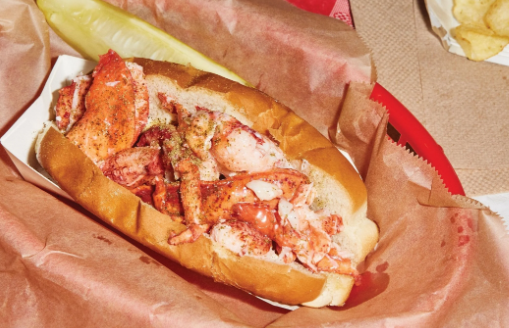
How Lobster Rolls Became a Coastal Icon
Lobster rolls have seamlessly transitioned from humble coastal fare to a beloved culinary staple across the United States. This celebration of fresh seafood encapsulates the essence of coastal living, combining the rich flavors of lobster with the convenience of a sandwich. In this post, we’ll explore the history and cultural significance of lobster rolls, highlighting how they became the iconic dish we savor today.
- The Historical Roots of Lobster Rolls
Lobster rolls trace their origins to the New England coast, where they first emerged in the early 20th century. Initially, they were simple affairs—boiled lobster meat mixed with a bit of mayonnaise, served on a soft roll. Fishermen and locals would enjoy them as quick, filling meals. As lobstering became more commercialized—and the lobster itself evolved from a food for the poor to a culinary delicacy—lobster rolls gained popularity, especially in coastal locales. Restaurants and roadside stands began to adapt their recipes, paving the way for gourmet versions that we see today.
- The Rise in Popularity
The lobster roll’s ascending popularity can be attributed to several factors, including the locavore movement and the rise of food trucks. As consumers became more interested in local and sustainable seafood, lobster rolls fit the bill perfectly. Food trucks and pop-up restaurants began showcasing creative takes on the classic, featuring ingredients like truffle oil or spicy sriracha mayo, attracting food enthusiasts and curious eaters alike. Events like summer seafood festivals also highlighted this coastal classic, further solidifying its place on the culinary map.
- Regional Variations and Innovations
While the classic Maine lobster roll features a buttered hot dog bun loaded with lobster meat and lightly seasoned, variations abound across different regions. Connecticut-style lobster rolls, for example, serve the lobster warm with melted butter, lacking any mayonnaise. Other places have embraced fusion concepts, integrating flavors from Asian cuisines or infusing local ingredients for a unique twist. These regional variations capture the essence of lobster rolls while bringing in a fresh perspective, showcasing how adaptable this dish can be.
Conclusion
In summary, the lobster roll has transformed into an iconic coastal symbol, celebrating both the rich history and the cultural evolution of seafood dishes. Whether enjoyed at a seaside shack or a high-end restaurant, this dish continues to bring people together over good food and good company. So, the next time you savor a delicious lobster roll, take a moment to appreciate the rich heritage behind it. For more seafood adventures or to discover local lobster roll spots, be sure to keep exploring!