
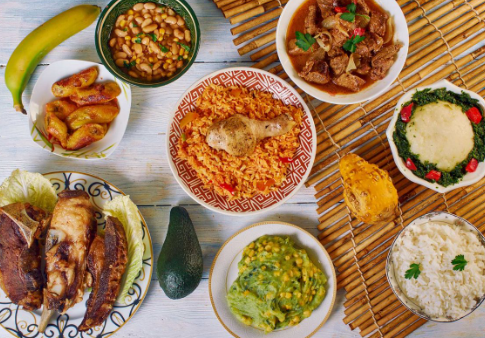
Kenya is a vibrant country with a rich cultural heritage, and its food culture is no exception. The culinary traditions reflect the diverse ethnic groups, climates, and historical influences that shape this East African nation.
1. Traditional Kenyan Dishes
The heart of Kenyan cuisine lies in its traditional dishes, which vary significantly across different regions. Staples like ugali, a maize porridge, are served in nearly every household. The dish is often accompanied by sukuma wiki, sautéed kale, or located proteins like nyama choma (grilled meat). These meals are not only filling but also represent the communal aspect of Kenyan dining, as families often share a large serving from a central plate.
In addition to ugali, each region has specific dishes that showcase local ingredients and culinary practices. For example, in coastal areas, seafood dominates, with dishes like pilau (spiced rice) and coconut curry being favorites. The use of spices like cumin and coriander reflects the Indian and Arab influences brought by trade over centuries.
-
- Try cooking ugali at home with various sides.
-
- Explore regional specialties if you visit Kenya.
-
- Use fresh local ingredients for the best flavors.
-
- Attend a traditional Kenyan feast to experience communal dining.
2. The Role of Food in Kenyan Culture
Food in Kenya is imbued with meaning, often serving as a focal point for social gatherings and cultural rituals. For Kenyans, sharing a meal is about more than just nourishment; it’s a way to bond and communicate. Events such as weddings, funerals, and holidays often feature large feasts where food is shared among family and friends, reinforcing community ties.
<pMoreover, food often plays a role in various cultural practices. For instance, during festive seasons like Eid and Christmas, certain dishes are prepared to honor traditions. In many ethnic groups, the preparation of food also involves specific rituals, such as the blessing of the meal, highlighting the connection between spirituality and meals.
-
- Participate in communal meals for a deeper cultural understanding.
-
- Learn about the significance of specific dishes during celebrations.
-
- Respect local customs when invited to dine in a Kenyan household.
-
- Engage in discussions about food and family traditions with locals.
3. Modern Influences and Fusion Cuisine
Kenya’s food culture is also shaped by modern influences, resulting in a delightful fusion of traditional and contemporary flavors. Major cities like Nairobi and Mombasa have seen the emergence of restaurants offering international cuisine, often incorporating local ingredients. This fusion creates innovative dishes that appeal to both locals and tourists alike.
-
- Experiment with fusion recipes that blend Kenyan and international cuisines.
-
- Visit urban food markets to taste global flavors influenced by local ingredients.
-
- Support local restaurants that incorporate traditional foods in their menus.
-
- Be adventurous and try new flavor combinations.
Kenyan food culture is a rich tapestry woven with tradition and modernity. Whether sampling traditional dishes, understanding the cultural significance of meals, or exploring contemporary culinary innovations, there is always more to discover. Embrace this vibrant culinary landscape by trying new recipes or engaging with local communities!