
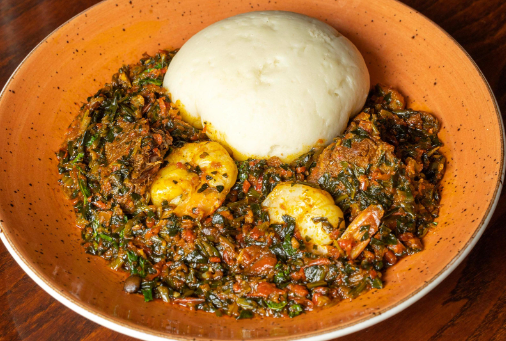
Nigerian food culture is a rich tapestry of flavors, aromas, and traditions that reflect the country’s diverse ethnic groups. Each region has its own unique dishes and cooking methods, making Nigerian cuisine an exciting gastronomic adventure.
1. Regional Diversity in Nigerian Cuisine
Nigeria is home to over 250 ethnic groups, and this diversity is beautifully showcased in its cuisine. Each region boasts distinct culinary traditions tied to local ingredients and cultural practices. For instance, the Northern region primarily features dishes made with grains such as millet and sorghum, complemented by meat such as goat or beef. On the other hand, the Southern region, especially around Lagos, heavily relies on seafood, vegetables, and tropical fruits, creating lighter and more vibrant dishes.
This regional disparity means that meals can vary dramatically from one area to another. Popular dishes like Jollof Rice—a spicy, tomato-based rice dish—are prepared differently in the East and West. Traditional methods, such as using a clay pot for cooking or serving food on plantain leaves, also enhance the authenticity of each dish. Understanding these regional differences can significantly enrich one’s experience of Nigerian food.
-
- Explore different regions of Nigeria through their culinary offerings.
-
- Try cooking a dish from a different region to appreciate the flavors.
-
- Ask locals about their favorite regional dishes and the best places to find them.
-
- Attend a Nigerian food festival to sample dishes from various regions.
2. Key Ingredients and Their Importance
Nigerian cuisine heavily relies on staple ingredients that form the backbone of many traditional dishes. Common staples include rice, beans, yams, and plantains. These ingredients are often complemented by a variety of spices and seasonings, such as ginger, garlic, and chili peppers, which contribute to the bold and robust flavors characteristic of Nigerian cooking. Palm oil, a primary fat used in cooking, gives many dishes their distinctive flavor and color.
Furthermore, vegetables like okra, spinach, and onions are crucial to creating nutrient-rich meals. Consequently, Nigerian chefs often focus on achieving a balance of textures and flavors by combining these core ingredients. This emphasis on fresh, local produce not only enhances taste but also supports local farmers and communities.
-
- Experiment with staple Nigerian ingredients in your cooking.
-
- Make a list of essential spices and herbs commonly used in Nigerian dishes.
-
- Visit a local Nigerian market to discover fresh ingredients.
-
- Share your cooking experiments with friends and family for feedback.
3. The Role of Food in Nigerian Communities
In Nigeria, food is not just about sustenance; it plays an integral role in social interactions and community bonding. Family gatherings, weddings, and festivals are often centered around large meals that foster connections among participants. The communal aspect of dining is highlighted when dishes are served in large bowls, allowing everyone to partake, a practice that reinforces community ties and a shared heritage.
Many dishes are also tied to specific cultural rituals and celebrations. For example, during the Muslim festival of Eid, dishes such as Jollof rice and suya (grilled spiced meat) gain prominence, while during Christmas, special recipes are prepared for celebrations. Understanding the significance of these culinary practices can deepen one’s appreciation for the culture and traditions behind Nigerian food.
-
- Participate in communal meals to experience the culture firsthand.
-
- Learn about traditional dishes associated with Nigerian festivals and rituals.
-
- Invite friends or neighbors to share a Nigerian meal to build community bonds.
-
- Document your culinary experiences and share them to promote understanding.
In conclusion, exploring Nigerian food culture unveils a world of flavors and traditions that offer a glimpse into the nation’s rich heritage. Whether by trying out new recipes, visiting local markets, or participating in communal meals, there are countless ways to immerse yourself in this vibrant culinary landscape. Don’t hesitate to dive in and discover the joy of Nigerian cuisine!
“`