
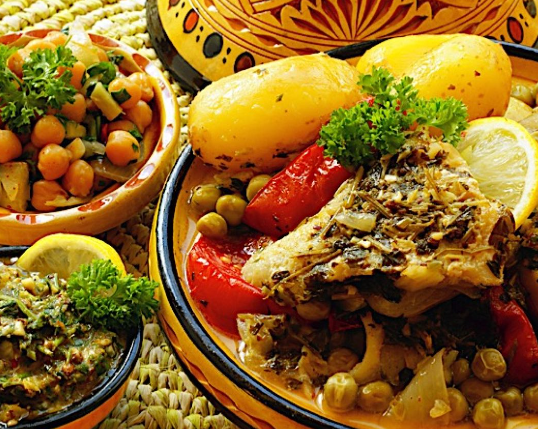
North African cuisine is a vibrant tapestry of flavors, colors, and aromas influenced by history, geography, and cultures intertwined for centuries. Each dish tells a story of tradition and innovation, inviting you to explore its rich culinary heritage. Let’s dive into some iconic recipes that will not only satisfy your palate but also bring a touch of North Africa into your kitchen.
1. Couscous: The Heart of North African Meals
Couscous is a staple food in North Africa, known for its fluffy texture and versatility. Traditionally made from semolina wheat, it’s often served with a variety of vegetables, spices, and meats. Preparing couscous can be simple: just steam it and fluff it with a fork, enhancing it with olive oil and seasonings. It’s traditionally paired with stews, particularly the rich flavor of a Moroccan tagine, making it a perfect addition to any meal.
To enjoy couscous fully, consider making your own seasoning mix with spices like cumin, coriander, and paprika. You can also add dried fruits like raisins or apricots for a sweet touch. Experimenting with ingredients will help you tailor the dish to your taste preferences and those of your guests.
-
- Choose high-quality semolina for the best texture.
-
- Steam couscous rather than boiling for fluffiness.
-
- Add olive oil or butter for richness.
-
- Incorporate seasonal vegetables for added flavor and nutrition.
-
- Try different herbs and spices to personalize your dish.
2. Tagine: A Symbol of Moroccan Cooking
The tagine, named after the earthenware pot it’s cooked in, is a slow-cooked stew that can be made with various meats, vegetables, and a plethora of spices. This cooking method allows flavors to meld beautifully, resulting in tender meats and aromatic vegetables. Popular combinations include chicken with preserved lemons and olives or lamb with apricots and almonds; each variation offers a unique blend of flavors that captures the essence of North African cooking.
The beauty of tagine is in its adaptability. You can switch up the ingredients to accommodate dietary preferences while keeping true to its roots. For instance, adding chickpeas makes for a delightful vegetarian option, while experimenting with spices like saffron or turmeric can introduce exciting new dimensions to your stews.
-
- Layer ingredients in the pot starting with the heavier items at the bottom.
-
- Seal the tagine well to keep the steam trapped for even cooking.
-
- Cook slowly over low heat for the best tenderness.
-
- Serve with fresh bread to soak up the delicious sauce.
-
- Pair with a refreshing salad for a balanced meal.
3. Harira: A Traditional Moroccan Soup
Harira is a rich soup traditionally enjoyed during Ramadan to break the fast. Made from tomatoes, lentils, chickpeas, and often lamb, it’s seasoned with a harmonious blend of spices such as saffron, ginger, and cinnamon. This hearty dish is perfect for a family gathering or as a comforting meal on a chilly day. Harira’s unique combination of flavors offers both nourishment and warmth.
To make harira, start by sautéing onions and spices before adding tomatoes and broth to create a flavorful base. Incorporating citrus, like lemon, right before serving brightens the dish beautifully. Don’t hesitate to get creative with herbs; fresh cilantro or parsley can make a lovely garnish, enhancing both flavor and presentation.
-
- Use a mix of spices for depth of flavor.
-
- Blend fresh herbs into the soup just before serving.
-
- Adjust the consistency by adding more broth or reducing the soup.
-
- Let it simmer longer for richer flavors.
-
- Serve with dates for a traditional touch during Ramadan.
4. Mechoui: A Showstopper Roast
Mechoui refers to a whole roasted lamb, often prepared for special occasions or celebrations. The lamb is typically marinated in a mixture of spices, garlic, and olive oil before being slow-cooked in an open fire or oven, resulting in tender, juicy meat. It’s a dish that embodies hospitality and is usually served with flatbread and various condiments.
While roasting a whole lamb might seem daunting, you can achieve similar results with a smaller cut like a shoulder or leg. Marinating overnight is key for tender meat, and basting throughout the cooking process will keep it moist. Pairing mechoui with a side of roasted vegetables or a refreshing salad brings balance and color to your plate.
-
- Choose quality cuts of meat for optimal flavor.
-
- Marinate well in advance for deeper flavor penetration.
-
- Use a meat thermometer to ensure proper doneness.
-
- Baste regularly during roasting to retain moisture.
-
- Serve with traditional flatbreads for an authentic experience.
Exploring North African cuisine opens up a world of flavors and traditions that can transform any meal into an extraordinary experience. By trying your hand at these recipes, you not only expand your culinary skills but also connect with the rich tapestry of North African culture. So gather your ingredients and step into the kitchen; your culinary adventure awaits!