
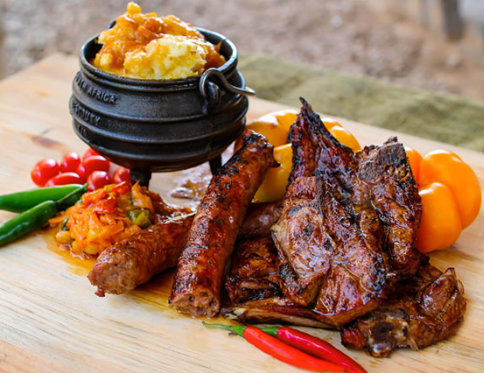
South Africa boasts a rich and diverse culinary heritage that reflects its unique cultural blend. From hearty stews to flavorful desserts, the popular dishes reveal the country’s history and traditions. Discovering these culinary delights is a tasty journey through South Africa’s vibrant culture.
1. Bobotie
Bobotie is a quintessential South African dish that showcases a fusion of flavors and textures. Originally brought to South Africa by the early Cape Malays, this dish consists of spiced minced meat topped with an egg-based custard. The flavor profile often includes curry spice, apricot jam, and almonds, making it a delightful choice for any meal. Typically served with yellow rice and chutney, bobotie has become a staple in many South African households.
Making bobotie at home can be a rewarding experience that allows you to tailor the dish to your taste. The process involves sautéing onions and spices, combining them with ground meat, and then baking until it’s perfectly set. Traditional recipes may also include fresh bay leaves to enhance the dish’s aroma. As a wonderful comfort food, bobotie is not only delicious but also an excellent way to introduce yourself to South African flavors.
-
- Use high-quality minced meat for the best flavor.
-
- Experiment with different spice blends to find your ideal taste.
-
- Serve with sambals for added texture and flavor.
-
- Consider using a homemade custard for a creamier topping.
-
- Make in advance and refrigerate for deeper flavors before baking.
2. Biltong
Biltong is a traditional South African dried meat snack, comparable to beef jerky but with a unique flavor profile thanks to its use of vinegar, spices, and air-drying techniques. Common meats used for biltong include beef, game, or even chicken, marinated before being dried in a cool, ventilated space. This method maintains the meat’s natural flavors while enhancing its taste, making it a favorite among locals and tourists alike.
Creating biltong at home is a straightforward process that requires patience and technique. After marinating your chosen meat, it is cut into strips and hung for several days, allowing it to dry properly. This endeavor not only results in a tasty treat but also connects you to an important part of South Africa’s agricultural heritage. Biltong can be enjoyed as a snack, added to salads, or included in various traditional dishes.
-
- Choose quality meat with minimal fat for better drying.
-
- Experiment with spices such as coriander and black pepper.
-
- Ensure good air circulation in the drying area to prevent spoilage.
-
- Store dried biltong in an airtight container to maintain freshness.
-
- Consider making smaller batches to test different flavors.
3. Bunny Chow
Bunny Chow, originating from the Indian community in Durban, is a delicious street food that involves hollowing out a loaf of bread and filling it with curry. This dish showcases the marriage of local South African ingredients and traditional Indian cooking, making it a hearty and satisfying meal. The bread used is typically softer, allowing it to soak up the flavorful curry, which can be made with chicken, lamb, or vegetables.
To make Bunny Chow at home, start by preparing your favorite curry, allowing it to develop rich flavors. Choose a firm, quality bread loaf that’s crusty on the outside but soft on the inside. Once the curry is ready, scoop out the center of the loaf and fill it with the delicious curry before replacing the top. Don’t forget to serve it with extra bread for dipping; it’s a fun and interactive dining experience that everyone can enjoy!
-
- Choose a strong curry to balance the bread’s mild flavor.
-
- Use a soft and crusty loaf, such as a white bread or a bread roll.
-
- Consider garnishing with fresh coriander for added flavor.
-
- Serve with sides like sambals or pickles for extra crunch.
-
- Make it vegan by using chickpeas or lentils in your curry.
4. Potjiekos
Potjiekos, meaning “small pot food” in Afrikaans, is a traditional South African stew method cooked in a three-legged cast-iron pot. This dish typically includes a mix of meat, vegetables, and spices, simmered over an open fire for several hours. The layering of ingredients ensures that each element retains its flavor, creating a beautifully rich and aromatic meal that is perfect for sharing with family and friends.
Cooking potjiekos is an event in itself. Gather your ingredients, set up your fire, and allow for slow cooking, which allows flavors to meld. The beauty of potjiekos lies in its versatility; you can use whatever ingredients you have on hand, from chicken and lamb to seasonal vegetables. This communal dish symbolizes togetherness, encouraging people to gather around the pot and enjoy good food and company.
-
- Layer ingredients properly to ensure even cooking.
-
- Use a combination of fresh herbs to enhance flavor.
-
- Monitor the fire to maintain a steady heat for optimal cooking.
-
- Serve with traditional sides like rice or pap for hearty meals.
-
- Experiment with different meats and vegetables for variety.
5. Malva Pudding
Malva pudding is a sweet dessert with rich caramel and apricot flavors that reflects South Africa’s love for indulgent treats. Traditionally served warm, this sponge-like pudding is drenched in a creamy, buttery sauce immediately after baking, resulting in a delightfully moist and flavorful experience. Often enjoyed with ice cream or custard, malva pudding is a favorite at South African gatherings and celebrations.
To create malva pudding at home, combine ingredients such as flour, sugar, and apricot jam to form the batter. Bake it until golden brown, ensuring to prepare the sauce with melting butter, sugar, and cream while it cooks. This dessert is easy to make and will impress your guests with its delightful taste and warm, inviting aroma. It’s definitely worth a try for anyone wanting to dive into South African culinary traditions.
-
- Use high-quality apricot jam for optimal flavor.
-
- Serve warm with custard or ice cream for a delightful contrast.
-
- Allow to soak in the sauce for a few minutes before serving.
-
- Experiment with adding nuts or chocolate for additional twists.
-
- Prepare in advance and reheat for easier serving.
In conclusion, exploring popular South African dishes opens up a culinary world filled with rich flavors and cultural significance. Whether you’re trying your hand at bobotie or indulging in malva pudding, these dishes offer a glimpse into the heart of South Africa’s vibrant culture. Don’t hesitate to experiment in your kitchen and experience these delightful flavors firsthand!
“`