
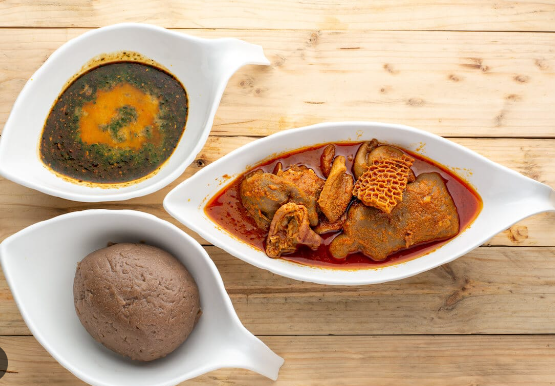
Nigerian cuisine is rich in flavors, colors, and traditions, offering an array of dishes that vary by region and culture. Whether you’re a seasoned gourmet or a curious novice, exploring traditional Nigerian foods provides a delightful journey into a vibrant culinary heritage.
1. Jollof Rice
Jollof Rice is one of the most beloved dishes in Nigeria and across West Africa. Known for its vibrant red color and rich flavor, this dish is made with rice, tomatoes, onions, and an array of spices. It’s often served at celebrations, parties, and family gatherings, making it a staple of Nigerian culture.
The preparation of Jollof Rice involves blending fresh tomatoes, bell peppers, and onions into a thick paste, which is then cooked and combined with rice. This dish can be customized with various proteins like chicken, fish, or shrimp, allowing it to cater to different tastes and dietary preferences.
-
- Use long-grain parboiled rice for the best texture.
-
- Experiment with different proteins to enhance flavor.
-
- Make sure to cook the tomato base well to deepen the flavor.
-
- Garnish with fried plantains for added taste and presentation.
2. Egusi Soup
Egusi Soup is a rich, hearty dish made primarily from ground melon seeds, which give the soup its unique taste and thick texture. It’s often accompanied by pounded yam, fufu, or rice, making it a filling meal suitable for any time of the day. This dish is especially popular among the Yoruba people in Nigeria.
The preparation of Egusi Soup typically involves sautéing onions and spices, then adding the ground melon seeds mixed with water to form a paste. Leafy vegetables such as spinach or bitter leaf are added for nutrition and color. The combination of rich flavors and textures makes Egusi Soup a favorite among many.
-
- Use fresh ingredients for the best flavor and nutrition.
-
- Pair with a starchy side for a well-rounded meal.
-
- Adjust the spice level to suit your personal taste.
-
- Store leftover soup in the refrigerator for up to three days.
3. Suya
Suya is a popular street food in Nigeria, known for its spicy grilled meat skewers. Often made from beef or chicken, it is marinated in a blend of ground peanuts, spices, and chili pepper, giving it a unique flavor profile. Suya is typically served with sliced onions and tomatoes, often enjoyed as a snack or appetizer.
The process of making Suya starts with marinating the meat for several hours to allow the flavors to fully penetrate. It is then skewered and grilled over open flames, which imparts a smoky flavor. This dish is perfect for gatherings, as it is easy to share and enjoy with friends and family.
-
- Marinate the meat at least four hours for deeper flavor.
-
- Use a mix of spices for a more complex taste.
-
- Serve with fresh vegetables for a refreshing contrast.
-
- Experiment with different meats; chicken and goat are also popular.
4. Pounded Yam and Efo Riro
Pounded Yam is a traditional accompaniment to many Nigerian soups and stews. Its smooth, stretchy texture makes it perfect for scooping up flavorful dishes like Efo Riro, a nutrient-rich vegetable soup. This combination is a beloved meal, especially among the Yoruba people.
To prepare Pounded Yam, boiled yam is pounded until smooth and stretchy, requiring some effort but offering a delightful texture. Efo Riro is made from a variety of green leafy vegetables, tomatoes, and seasoning, creating a rich and flavorful dish. Together, they make a comforting meal that highlights the culinary traditions of Nigeria.
-
- Use good quality yam for the best taste and texture.
-
- Pound the yam while it is still hot to achieve the right consistency.
-
- Add various vegetables to Efo Riro for enhanced nutrition.
-
- Serve immediately; Pounded Yam is best enjoyed fresh.
5. Akara
Akara, or bean cakes, are a popular breakfast dish or snack in Nigeria. Made from black-eyed peas that are blended into a batter and deep-fried, Akara has a crispy exterior and a soft, fluffy interior. This dish is often enjoyed with a spicy pepper sauce or eaten on its own.
The preparation of Akara begins with soaking the beans to make them easier to blend, then mixing in onions, spices, and salt. Once fried, they are golden brown and ready to be enjoyed. Akara is not only delicious but also provides a good source of protein, making it a satisfying choice for any meal.
-
- Use fresh black-eyed peas for best results.
-
- Ensure the oil is hot enough to avoid sogginess.
-
- Add spices to the batter for an extra flavor boost.
-
- Serve hot for the best taste experience.
Exploring traditional Nigerian foods opens doors to diverse flavors and culinary traditions. Whether you’re trying your hand at cooking these dishes or simply enjoying them from local restaurants, embracing these flavors adds richness to your culinary knowledge. So grab your apron, or search for a local eatery, and dive into the delightful world of Nigerian cuisine!