
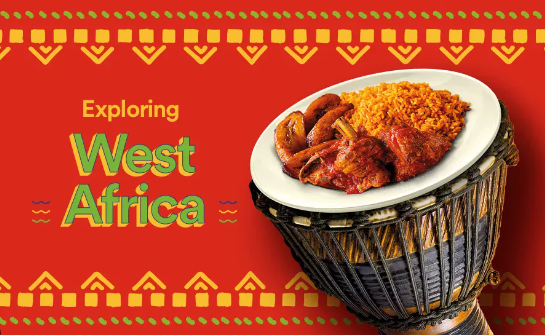
If you’re looking to explore a diverse and flavorful cuisine, West African cooking offers a remarkable array of dishes and ingredients. This vibrant culinary tradition is shaped by rich cultural histories and local agricultural practices, making each meal a reflection of the region’s unique identity.
1. Essential Ingredients in West African Cooking
West African cuisine is characterized by the use of fresh, local ingredients. Staples such as cassava, yams, and various types of rice form the backbone of many meals. Furthermore, spices like pepper, ginger, and garlic are often used liberally, contributing to the bold flavors. The combination of ingredients varies by country, but the emphasis on freshness remains a constant thread throughout the region.
In addition to primary ingredients, proteins such as fish, chicken, and goat are popular choices. Each region has its preferences, with coastal areas leaning more towards seafood and landlocked countries favoring meats. This diversity encourages home cooks and chefs alike to experiment and create dishes that are both authentic and innovative.
-
- Explore local markets to find fresh ingredients.
-
- Invest in key spices to elevate your dishes.
-
- Try experimenting with different protein sources.
-
- Utilize seasonal vegetables for the best flavors.
2. Popular Dishes to Experience
One of the most famous dishes in West Africa is Jollof rice, a delicious one-pot meal made with rice, tomatoes, and spices. While its origins are hotly debated, it’s a staple at celebrations and gatherings. The dish’s variations can be found across countries like Nigeria, Ghana, and Senegal, each adding a personal twist to the basic recipe.
Another popular dish is Fufu, a starchy side made from boiled and pounded tubers, such as cassava or yams. Fufu is often served with soups and stews, acting as a perfect complement to dishes like Egusi soup, made from ground melon seeds. The texture and flavor of Fufu are highly adaptable, making it a favorite among locals and travelers alike.
-
- Try cooking Jollof rice with chicken or fish for added flavor.
-
- Learn to make Fufu for an authentic West African experience.
-
- Explore local variations and add your twist to classic recipes.
-
- Invite friends over to share a meal and experience communal dining.
3. Cooking Techniques and Methods
Cooking in West Africa often involves methods that highlight the ingredients’ natural flavors. Stewing, roasting, and frying are prevalent techniques, with many dishes requiring slow cooking to achieve depth. For instance, a well-prepared pepper soup benefits from simmering for hours to let the flavors meld beautifully.
Additionally, grilling is popular in many regions, especially with fish and meat. Street food vendors often showcase this technique, using simple spices and marinades that are easily replicated for home cooking. Experimenting with these methods will not only improve your skills but also enhance the authenticity of your dishes.
-
- Master the art of slow cooking to deepen flavors.
-
- Try grilling meats and vegetables for a smoky taste.
-
- Use one-pot methods to simplify clean-up.
-
- Don’t shy away from using fire; it adds a unique flavor to dishes.
In summary, West African cuisine is a fascinating and rich tapestry of flavors, ingredients, and techniques. With a bit of exploration and experimentation, you can create delightful meals that bring this vibrant culture right into your home. So don’t hesitate—dive into the world of West African cooking and savor the experience!