
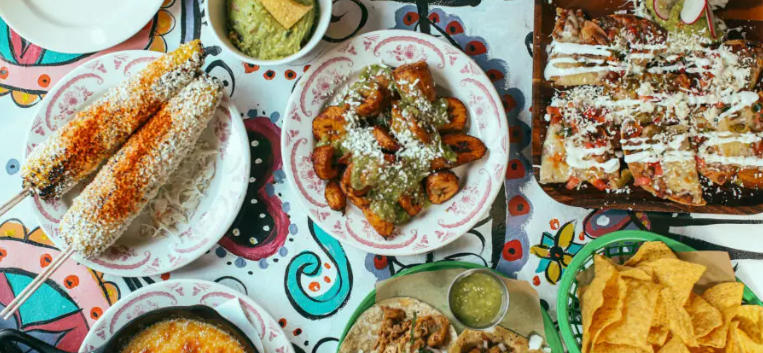
The rich culinary traditions of Latin America are a testament to its diverse cultural heritage, significantly shaped by Spanish colonization. Understanding this influence offers insights into both the historical context and the vibrant flavors that define modern Latin American cuisine. Let’s explore how Spanish settlers transformed the region’s food landscape and continue to shape it today.
The Introduction of Key Ingredients
When Spanish colonizers arrived in the 16th century, they brought with them essential ingredients that would forever change the culinary fabric of Latin America. Staples such as wheat, olives, and various spices enriched indigenous diets that were primarily based on grains like corn and quinoa. Additionally, the introduction of livestock, including cattle, pigs, and chickens, revolutionized protein sources, making meat a central component in many traditional dishes. These new ingredients not only enhanced flavors but also diversified meal options, creating a foundation for countless regional recipes.
Fusion of Culinary Techniques
Spanish colonization also resulted in a fascinating fusion of cooking techniques. Indigenous peoples and Spanish settlers exchanged methods in food preparation, cooking styles, and preservation. For instance, the Spanish method of frying food influenced the preparation of popular dishes like empanadas, while indigenous techniques, such as cooking in underground pits, inspired dishes like cochinita pibil in Mexico. This blending of culinary practices created a unique dining experience, where indigenous traditions coexisted harmoniously with European influences, giving rise to the distinct and beloved cuisines we celebrate today.
Celebratory Foods and Festive Occasions
Food in Latin America is deeply tied to culture and festivities, a sentiment richened by Spanish influence. Many popular dishes served during holidays and celebrations have roots in Spanish traditions. For example, the iconic paella, originally from Spain, has inspired various local adaptations across Latin America, showcasing regional flavors and ingredients. Similarly, the Spanish practice of celebrating the harvest season with feasts translates to vibrant Latin American festivities, where food becomes a means of community bonding and cultural expression. The blending of these celebratory customs continues to play an essential role in life throughout the region, emphasizing the significance of food as a unifying force.
In conclusion, the influence of Spanish colonization on Latin American food is a fascinating reflection of cultural exchange and adaptation. From the introduction of key ingredients to the fusion of cooking techniques and festive traditions, Spanish settlers have left an indelible mark on cuisine throughout the region. If you’re curious to delve deeper into this topic or explore regional recipes, consider trying your hand at cooking a traditional dish or visiting local Latin American restaurants to experience this vibrant culinary heritage firsthand!