
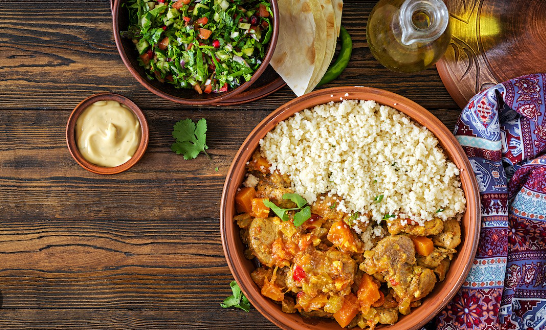
North African cuisine is a vibrant tapestry of flavors, aromas, and textures steeped in rich cultural heritage. Spanning several countries, this culinary landscape is characterized by the union of spices, fresh ingredients, and age-old cooking techniques. Let’s explore some traditional dishes that highlight the region’s gastronomical diversity.
1. Couscous: The Heart of North African Cuisine
Couscous, often hailed as the staple dish of North Africa, has roots that trace back to the Berber people. Made from semolina wheat, this versatile grain is steamed to perfection and served with a variety of ingredients like vegetables, meats, or seafood. It is frequently accompanied by a richly spiced broth, making each meal a delightful experience.
Traditionally, couscous is prepared in a special pot known as a “couscoussier” which allows for the steam of the simmering stew to cook the grain. Variations of couscous are popular; for example, Moroccan couscous tends to be lighter and fluffier, while Algerian versions can be heartier with added spices. It’s not just a side dish; in many households, it plays the role of a main course.
-
- Use high-quality semolina for the best texture.
-
- Pair with seasonal vegetables for enhanced flavor.
-
- Experiment with different meats like lamb or chicken.
-
- Incorporate nuts and dried fruits for added texture.
-
- Make use of a couscoussier for authentic preparation.
2. Tagine: A Moroccan Culinary Icon
Tagine is much more than a dish; it is a traditional North African cooking style that involves slow-cooking meals in a conical clay pot also called a tagine. This method helps to lock in moisture, ensuring that the ingredients become incredibly tender and flavorful. Typical tagine recipes feature meats like chicken, lamb, or beef, often accompanied by an array of vegetables and spices.
The beauty of a tagine lies in its versatility. Commonly used spices include cumin, coriander, and saffron, which infuse the dish with aromatic warmth. Tagine is often served with bread or couscous, making it a savory staple at communal meals and special occasions. Many regions have their own tagine specialties, showcasing local ingredients and traditions.
-
- Choose unwaxed lemons for a fresh, zesty kick.
-
- Let the dish marinate for a few hours or overnight.
-
- Use seasonal vegetables for a vibrant mix.
-
- Cook at low heat for optimal tenderness.
-
- Serve with bread for a traditional experience.
3. Harira: A Nourishing Soup
Harira is a beloved soup particularly consumed during Ramadan to break the fast. Made from a combination of tomatoes, lentils, chickpeas, and various spices, harira serves as a warm and hearty meal that nourishes the body and spirit. This dish is often garnished with fresh herbs like coriander and parsley, adding a refreshing kick to its rich flavor profile.
The origins of harira can be traced back to the diverse cultural influences in Morocco, incorporating ingredients from Arab, Berber, and Mediterranean diets. During Ramadan, harira is traditionally served with dates and flatbread, creating a satisfying and wholesome iftar. It’s not just during religious observance that harira is relished; it can be enjoyed year-round as a comforting dish.
-
- Incorporate homemade stock for deeper flavors.
-
- Adjust spices according to personal preference.
-
- Serve with lemon wedges for a zesty touch.
-
- Consider adding noodles for extra heartiness.
-
- Garnish with fresh herbs for presentation.
4. Brik: A Savory Snack
Brik is a popular street food in Tunisia, recognizable for its crispy exterior and savory fillings. Typically, brik is made with a thin pastry known as “malfouf” filled with a variety of ingredients, such as spiced meat, tuna, or eggs. The filled pastry is then deep-fried to golden perfection, creating a delightful crunch that complements its hearty interior.
Although brik is commonly enjoyed as a snack, it can also serve as an appetizer in larger meals. Each region may add its unique twist to the filling, bringing different local flavors into play. The appeal of brik lies not only in its taste but also in its portability, making it an ideal treat for those on the go.
-
- Ensure the filling is not too wet to prevent sogginess.
-
- Fry in hot oil for the best crispness.
-
- Experiment with different fillings for variety.
-
- Serve with a squeeze of lemon for enhancement.
-
- Consider baking as a healthier alternative.
Exploring the traditional foods of North Africa is a joyful journey filled with aromatic spices and rich flavors. From the comforting bowls of harira to the golden crunch of brik, each dish offers a taste of the region’s cultural heritage. Try bringing these recipes to your kitchen and enjoy the unique culinary traditions that have stood the test of time.