
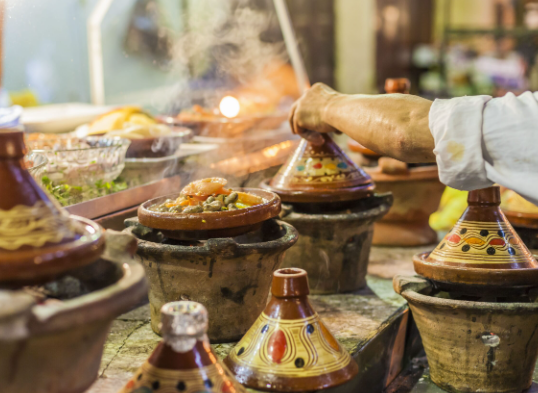
North African cooking traditions are a rich tapestry woven from diverse cultural influences and historical contexts. From the aromatic spices of Moroccan tagines to the hearty stews of Algeria, each dish tells a story that reflects the region’s unique heritage.
1. The Spice Palette of North Africa
Spices play a crucial role in North African cuisine, lending depth and complexity to dishes. Cumin, coriander, cinnamon, and saffron are staples that are often blended into spice mixes like ras el hanout, a fragrant combination that varies by region. This varied use of spices not only creates distinct flavors but also showcases the interplay of different cultures that have influenced North African cooking, such as Arab, Berber, and Mediterranean traditions.
In Morocco, for instance, spices are not just for flavoring; they form an integral part of the culinary identity. Dishes are often seasoned with ground spices during cooking, and whole spices are sometimes added for texture and visual appeal. This meticulous approach to spice blending is a skill mastered over generations, transforming simple ingredients into culinary masterpieces.
-
- Explore local markets to discover fresh spices.
-
- Try creating your own spice blends for traditional dishes.
-
- Experiment with different spice combinations to find your preferred flavor profile.
-
- Be mindful of spice amounts; balance is key to achieving desired flavors.
-
- Store spices in airtight containers to maintain freshness.
2. Iconic Dishes and Their Roots
At the heart of North African cuisine are several iconic dishes that vary from one country to another yet share common roots. The Moroccan tagine, a slow-cooked stew named after the earthenware pot used to prepare it, combines a variety of ingredients like meats, vegetables, and fruits. The cooking process allows flavors to meld beautifully, creating a comforting and aromatic meal that’s often served with couscous.
Another staple is couscous itself, which is considered a national dish in several North African countries. Traditionally made from steamed semolina, couscous is incredibly versatile and can be served with a variety of toppings, from spicy vegetable stews to tender meats. Its importance is not only culinary; it’s often associated with community gatherings and celebrations, highlighting its place in the social fabric of North African culture.
-
- Learn to prepare both tagine and couscous; they are foundational dishes.
-
- Try using different meats (chicken, lamb, beef) for your tagine.
-
- Incorporate seasonal vegetables for both nutrition and flavor.
-
- Experiment with serving couscous in sweet dishes with dried fruits.
-
- Don’t rush the cooking process; slow cooking enhances flavors.
3. A Focus on Freshness and Local Ingredients
North African cuisine places a high premium on the use of fresh, local ingredients. Markets brimming with seasonal vegetables, aromatic herbs, and freshly caught fish are commonplace and are essential in ensuring the dishes maintain their vibrant flavor. Ingredients are often sourced from nearby farms, reflecting the philosophy of cooking with the freshest available produce.
Growing herbs like mint and cilantro at home or frequenting local markets can enhance your cooking experience. Many North African recipes call for garnishing with fresh herbs, adding a burst of flavor and color to the dish. The concept of freshness extends to dairy as well, with many traditional recipes incorporating fresh yogurt or cheese, which adds creaminess and tang to meals.
-
- Visit local farmers’ markets to find fresh, seasonal produce.
-
- Start a small herb garden with mint, cilantro, and parsley.
-
- Experiment with different vegetable combinations in your dishes.
-
- Incorporate fresh dairy products for improved taste and quality.
-
- Engage with local chefs or cooking classes to learn more about ingredient sourcing.
In conclusion, North African cooking traditions offer a beautiful blend of flavors, techniques, and cultural storytelling. By exploring the richness of spices, iconic dishes, and fresh ingredients, you can bring the essence of North African cuisine into your kitchen. Don’t hesitate to experiment, learn, and indulge in this vibrant culinary journey!