
South Africa’s food culture is a vibrant mix of flavors and influences, reflecting the country’s diverse heritage. From traditional dishes to modern culinary innovations, South African cuisine is rich, hearty, and deeply rooted in history.
1. Traditional South African Dishes
One of the standout features of South African cuisine is its traditional dishes, which represent the various cultures in the nation. Dishes such as braai, a popular barbecue tradition, bring people together for socializing and sharing meals. Other staples include bobotie, a spiced minced meat dish topped with an egg custard, and biltong, a dried meat snack usually enjoyed with beer.
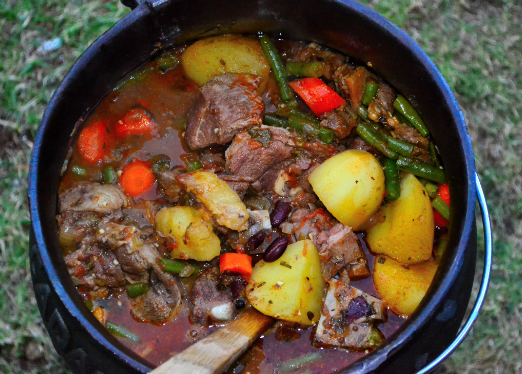
Another traditional dish is potjiekos, a slow-cooked stew often made with meat and vegetables. This dish showcases the unique cooking technique using a three-legged cast iron pot over an open flame. Each region has its version, influenced by local ingredients and community recipes, making potjiekos a flexible and communal delight.
-
- Experience a local braai for a genuine South African meal.
-
- Try making bobotie at home using traditional spices.
-
- Explore different types of biltong for a taste of various meats.
-
- Seek out traditional potjiekos recipes for a comforting family dish.
2. Influences from Diverse Cultures
The diversity of South African cuisine is heavily influenced by the indigenous cultures as well as the settlers from Europe and Asia. The flavors of Malay cuisine, introduced by the Cape Malay people, result in dishes like bunny chow—a hollowed-out loaf of bread filled with curry. This unique combination highlights how culinary practices can merge and evolve over time.
Similarly, Indian influences are evident in South African food, particularly with the use of spices and curry dishes. The local version of curry has adapted over generations, creating a distinctly South African flair. Foods like samoosas and lentil curries are common and show the blending of flavors that characterize the nation’s culinary landscape.
-
- Try a bunny chow at a local eatery to appreciate its unique history.
-
- Experiment with spices in traditional South African recipes.
-
- Attend cultural festivals that celebrate the food and traditions of diverse communities.
-
- Visit local markets to discover a variety of ingredients from different cultures.
3. The Role of the Community in Food Culture
In South Africa, food is often a communal experience, deeply intertwined with social gatherings and celebrations. Meals are typically enjoyed together, whether it’s a festive holiday like Heritage Day or a simple family gathering. The act of sharing food fosters connections among friends, family, and communities, reinforcing cultural bonds.
Community markets and food festivals also play a crucial role in promoting South African cuisine. These events provide platforms for small-scale farmers and local chefs to showcase traditional and innovative dishes. Attending these gatherings not only supports the local economy but also offers a taste of the rich culinary heritage that defines South Africa.
-
- Participate in local food festivals to connect with the culture.
-
- Host a potluck meal with friends to share various culinary traditions.
-
- Visit farmers’ markets to discover fresh, local ingredients.
-
- Join cooking classes to learn traditional techniques and recipes.
In conclusion, South African food culture is a beautiful tapestry woven from a variety of influences and traditions. Exploring this rich culinary heritage not only satisfies the palate but also deepens one’s understanding of the social and cultural fabric of the country. Whether trying a new recipe or attending a local food event, there’s always more to discover and savor!