
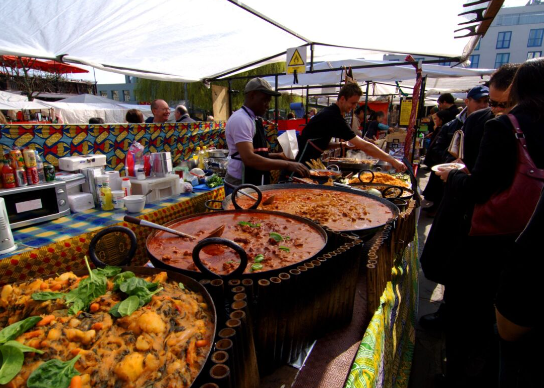
South Africa is renowned for its vibrant culture and rich history, and its festival foods reflect the country’s diverse culinary landscape. From local delicacies that tantalize the taste buds to global influences that enrich the palate, South African festival foods are as varied as the festivals themselves. Let’s dive into some of the must-try dishes that will enhance your experience at these lively celebrations.
1. Bunny Chow: A Street Food Delight
Bunny chow is a beloved South African street food that originated from the Indian community in Durban. This delicious dish consists of a hollowed-out loaf of bread filled with a spicy curry, often made with lamb, chicken, or vegetables. It’s perfect for informal gatherings and is a staple at many food festivals throughout the country, where the aroma of spices wafts through the air and attracts passersby.
When trying bunny chow, it’s best to enjoy it with your hands, tearing off pieces of bread to soak up the flavorful curry. This hands-on experience not only enhances your meal but also makes it a social affair, inviting conversation and laughter among friends and family. Whether at a market stall or a local restaurant, bunny chow is an essential item to sample.
-
- Choose your protein: lamb, chicken, or vegetarian.
-
- Select a spicy level that suits your taste buds.
-
- Don’t forget to try a side of pickles for extra flavor!
-
- Visit a local street vendor for an authentic experience.
-
- Pair with a cold beverage to balance the heat.
2. Braai: The Heart of South African Culture
Braai, which means “barbecue” in Afrikaans, is more than just a meal; it’s a cherished tradition that brings people together. During festivals, braais are often held, and families and friends gather around open flames to grill various meats like boerewors (sausage), steak, and chicken. It’s a festive atmosphere filled with laughter, music, and the irresistible smell of smoke and spices.
While the meat is the star of the show, side dishes such as pap (a maize porridge), chakalaka (spicy vegetable relish), and potato salad often accompany the feast. The act of braaiing encourages social interaction, making it an integral part of South African festivals. Attending a braai can give you a true sense of the country’s communal culture and hospitality.
-
- Invite friends and family for a true communal experience.
-
- Experiment with marinades and spice rubs to elevate your meat.
-
- Incorporate vegetarian options for inclusivity.
-
- Set up your braai with enough space for everyone to participate.
-
- Don’t forget the music; it enhances the overall vibe.
3. Koeksisters: A Sweet Treat
Koeksisters are traditional South African pastries that are syrup-soaked and twisted doughnuts, featuring a unique and delectable sweet flavor. These treats are especially popular at festivals, where their crispy exterior and soft, sweet inside entice every passerby. Originating from the Cape Malay community, koeksisters are often enjoyed as a snack or dessert during festive gatherings.
To make the experience even sweeter, koeksisters are typically served chilled, making them a refreshing treat on hot days. Some variations include the spicy “Cape Malay” version, which offers a delightful twist on the classic recipe. Sampling koeksisters at a festival is an excellent way to experience South Africa’s sweet culinary heritage.
-
- Try both traditional and Cape Malay versions for variety.
-
- Serve them cold for the best taste experience.
-
- Pair with tea or coffee for a perfect snack break.
-
- Visit local bakeries to find the best options.
-
- Consider making them at home to share with friends.
In conclusion, South African festival foods provide a unique glimpse into the country’s rich tapestry of cultures and flavors. From savory dishes to sweet treats, the culinary offerings are as diverse as the people who celebrate them. Exploring these festival foods is a delightful way to connect with South African traditions, enhance your culinary skills, and immerse yourself in the local culture. Don’t hesitate to try your hand at cooking some of these dishes or exploring local events to fully experience the vibrancy of South Africa’s culinary landscape.
“`