
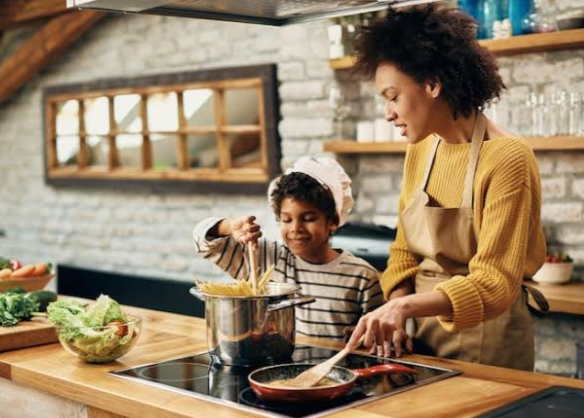
African home style cooking presents a vibrant tapestry of flavors, techniques, and traditions that reflect the continent’s diverse cultures. This culinary art is not only about nourishment but also about storytelling, community, and the celebration of heritage. In this blog post, we will explore key elements of African cooking, from foundational ingredients to traditional dishes that bring families together.
1. Key Ingredients in African Cooking
The heart of African cooking lies in its ingredients, which vary widely across regions but commonly include staples such as grains, legumes, vegetables, and spices. For instance, West Africa is known for its use of jollof rice, a dish made with tomatoes, onions, and a variety of spices, while East African cuisine often features ingredients like ugali, a maize flour porridge. These foundational ingredients not only contribute to the flavor but also uphold cultural significance.
Many African recipes celebrate local produce. For example, cassava, yams, and plantains are frequently used in West African dishes, while the use of sorghum and millet is prevalent in parts of East and Southern Africa. This reliance on regional ingredients promotes sustainability and allows for a deeper appreciation of the land’s bounty.
-
- Research local markets for fresh produce and spices.
-
- Experiment with different grains like millet, quinoa, and fonio.
-
- Incorporate legumes such as beans and lentils for protein.
-
- Try traditional sauces made with groundnut or tomato base.
-
- Consider seasonal ingredients to enhance freshness and flavor.
2. Traditional Cooking Techniques
Another essential technique is the art of stewing, which involves simmering ingredients together for extended periods. This method not only combines flavors but also tenderizes tougher cuts of meat, making stews a comforting staple in many households. Notable examples include Nigerian oxtail soup and East African kikombe, a bean stew that is often enjoyed with fresh chapati.
- Utilize slow cookers to replicate traditional long-simmering methods.
- Explore the use of clay pots for authentic flavor.
- Master the grill for perfect meat and vegetable dishes.
- Develop your own stew bases with spices and aromatics.
- Involve family members to share techniques and stories while cooking.
3. Celebrating Community Through Food
In many African cultures, food is synonymous with community and family, with meals often serving as a communal experience rather than just sustenance. Traditional ceremonies such as weddings, funerals, and harvest festivals prominently feature food as a way to bond, share, and celebrate. For instance, in Ethiopia, injera, a sourdough flatbread, is used as both a plate and utensil—dinners are shared from a communal platter, reinforcing connection and togetherness.
Moreover, cooking and enjoying meals together bolsters relationships and fosters a sense of belonging. Families often gather around large platters, sharing stories and laughter while enjoying beloved dishes. This cultural practice not only preserves recipes but also promotes cultural continuity, especially among younger generations who are learning to cherish their roots.
- Host regular family dinners centered around traditional recipes.
- Involve family members in the cooking process to pass down knowledge.
- Celebrate cultural festivals with meals that represent your heritage.
- Encourage open discussions about the stories behind dishes.
- Explore recipes from different regions to broaden your culinary horizons.
Embracing African home style cooking not only enriches our palates but also deepens our understanding of the world around us. By utilizing local ingredients, mastering traditional techniques, and celebrating community through food, we can create lasting memories at the dinner table. So, gather your loved ones, share in the joy of cooking, and let the flavors of Africa inspire your home kitchen.
“`