
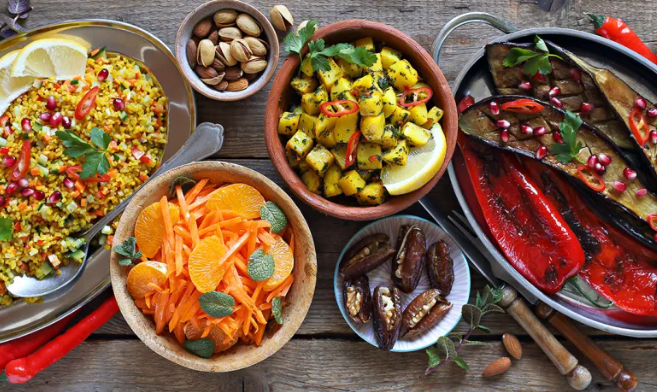
African traditional meals are a vibrant tapestry of flavors, textures, and culinary practices that reflect the continent’s rich history and culture. Each region boasts unique dishes, ingredients, and cooking methods that have been passed down through generations.
1. The Richness of West African Cuisine
West African cuisine is renowned for its bold flavors and use of natural ingredients. Staples include rice, maize, and millet, complemented by a variety of proteins such as fish, chicken, and legumes. Dishes like jollof rice, often cooked with tomatoes, onions, and spices, create a harmonious balance that showcases the region’s culinary heritage. Each country has its own twist on this dish, leading to vibrant culinary competitions among nations.
In addition to jollof rice, other notable dishes include groundnut stew and kelewele, a spicy fried plantain snack. The use of spices and herbs, such as ginger, garlic, and chili peppers, is common in West African kitchens, making meals here both flavorful and heartwarming.
-
- Explore local markets for fresh ingredients.
-
- Experiment with different spice combinations.
-
- Try cooking jollof rice and adjust the recipe according to your taste.
-
- Invite friends over for a traditional feast.
-
- Research family recipes to carry on the culinary tradition.
2. East African Delights
East African cuisine is characterized by its diverse culinary traditions, influenced by various cultures and ethnicities. Countries like Kenya, Tanzania, and Ethiopia offer dishes that reflect their rich history and agricultural wealth. For instance, injera, a sourdough flatbread from Ethiopia, is paired with lentil and vegetable stews, creating a communal dining experience where people share food directly from a shared platter.
Other popular East African dishes include ugali, a stiff porridge made from maize or cassava flour, and samosas, which are savory pastries filled with meat or vegetables. The region’s coastal areas also incorporate seafood into their meals, with dishes flavored by spices that showcase the influence of Indian and Arabic traders.
-
- Gather a group and experience eating from a communal plate.
-
- Try making injera at home to pair with various stews.
-
- Visit local East African restaurants for authentic flavors.
-
- Learn about spice blends typical in East African cooking.
-
- Engage in cultural events that celebrate East African culinary traditions.
3. Southern African Flavors
Southern Africa boasts an array of flavors and cooking techniques that reflect its diverse cultures. One of the most iconic dishes is biltong, a form of dried, cured meat that is enjoyed as a snack or appetizer. This method of preserving meat, which dates back to indigenous practices, is beloved across the region. Corn-based dishes like pap, a staple in many households, are often paired with hearty stews and grilled meats.
Another beloved Southern African dish is bobotie, a spiced meat casserole topped with a mixture of eggs and milk. Its unique blend of spices showcases the South African influence of Malay cuisine. The combination of sweet and savory flavors is a hallmark of Southern African cooking, often making use of fruits and vegetables from the region.
-
- Try making biltong at home with your preferred flavoring.
-
- Pair pap with various types of stews for a fulfilling meal.
-
- Experiment with traditional recipes like bobotie for a taste of South Africa.
-
- Attend local food festivals to explore Southern African cuisine.
-
- Share recipes with friends to experience the flavors together.
4. The Cultural Significance of Traditional Meals
The significance of traditional meals in African culture extends beyond mere sustenance. Food is often central to celebrations, ceremonies, and family gatherings, symbolizing unity and connection. For example, during weddings and communal festivals, dishes are prepared in large quantities to share with the community, highlighting the values of generosity and hospitality.
Moreover, traditional cooking methods often involve community participation, where families gather to prepare food together. This not only fosters relationships but also preserves cultural practices and culinary skills that are essential to identity. The act of sharing meals strengthens bonds and creates lasting memories among family and friends.
-
- Become involved in community cooking events to learn from others.
-
- Participate in family gatherings where traditional meals are prepared.
-
- Document your family’s culinary history through recipes.
-
- Celebrate cultural milestones with traditional dishes.
-
- Invite others to share in the experience of cooking and eating together.
Exploring African traditional meals is an enriching experience that connects us to the continent’s diverse cultures and histories. Whether you’re trying to recreate these meals at home or enjoying them in a communal setting, the warmth and flavors of African cuisine are sure to enrich your culinary journey.