
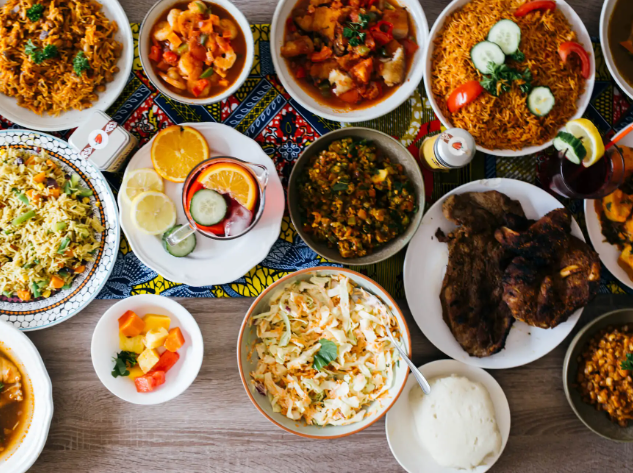
African family style meals represent a unique and rich tradition that brings people together. These communal dining experiences are filled with a variety of flavors, textures, and dishes that reflect the diverse cultures across the continent.
1. The Essence of Sharing: Community and Tradition
At the heart of African family style meals is the concept of sharing. Food is often served in large communal platters, encouraging family members and friends to gather around the table. This style of dining fosters a sense of belonging, love, and togetherness. Depending on the region, you might find rice, stews, and various vegetables in the center of the table, each person taking what they like directly from the communal dish.
This practice is deeply rooted in many African cultures. In events like weddings or festivals, the family meal becomes an essential part of the celebration. For instance, in West Africa, dishes like jollof rice or egusi soup are ubiquitous in family gatherings. Such meals not only satisfy hunger but also reinforce social bonds and cultural values.
-
- Invite family and friends to eat together at least once a week.
-
- Opt for a few large platters instead of individual servings.
-
- Incorporate traditional dishes to keep the cultural heritage alive.
-
- Encourage everyone to share stories while enjoying the meal.
2. The Melting Pot of Flavors: Popular Dishes
African cuisine is incredibly diverse, with each region offering unique flavors and dishes. Common staples include grains like maize, millet, and rice, accompanied by an array of proteins such as fish, chicken, and beans. For instance, in East Africa, ugali—made from maize flour—serves as a base for a variety of flavorful stews and vegetables.
Another popular dish is injera, the sourdough flatbread from Ethiopia, which doubles as both a plate and an utensil. It is typically served with spicy lentils and vegetables, making for an interactive dining experience. The use of spices such as berbere in Ethiopian cuisine showcases the layers of flavors that can be discovered in African meals, each dish telling its own story.
-
- Experiment with different grains like millet, quinoa, or sorghum.
-
- Include a mix of proteins—meat, legumes, and fish.
-
- Don’t shy away from bold spices to enhance flavors.
-
- Search for traditional recipes from various African regions to diversify your meals.
3. A Celebration of Vegetables: Plant-Based Goodness
Vegetarian and plant-based meals play a substantial role in African cuisine. Many dishes highlight the freshness of local vegetables, which can be prepared with minimal ingredients, allowing the natural flavors to shine. In southern Africa, dishes like chakalaka—made from a mix of vegetables and spices—are often enjoyed with bread or pap, making a filling yet healthy meal.
In North Africa, salads such as tabbouleh include fresh herbs, tomatoes, and bulgur, reflecting the reliance on seasonal produce. This emphasis on vegetables offers a great opportunity to incorporate a wide range of nutrients into family meals while keeping them vibrant and appealing to all ages.
-
- Focus on seasonal vegetables to enhance taste and nutritional value.
-
- Consider making a vegetable-centric dish the highlight of your meal.
-
- Involve kids in the process of washing and preparing the vegetables.
-
- Explore different cooking methods like grilling, steaming, or stir-frying.
4. The Importance of Ritual: Preparing and Serving Meals
Cooking and serving meals are often steeped in tradition and ritual in African cultures. Preparation can be a communal activity itself, where family members gather in the kitchen to chop vegetables, stir pot, or even grind spices with traditional mortar and pestle. This involvement transforms cooking from a mundane task into a cherished ritual that strengthens family bonds.
Serving food is just as important; how you present the meal can influence the dining experience. Often, the most honored guests are served first, showcasing respect and appreciation. Additionally, a beautifully arranged table can enhance the festivities, with vibrant colors and enticing aromas creating an unforgettable atmosphere.
-
- Encourage family involvement in cooking to create lasting memories.
-
- Design your table with colorful dishware and textiles.
-
- Establish a family cooking night to foster connection.
-
- Serve food with consideration, highlighting respect for your guests.
5. Bridging Cultures: Modern Adaptations of African Meals
As African cuisine becomes more popular globally, modern adaptations of traditional family meals are emerging. Chefs and home cooks are blending traditional tastes with contemporary techniques, resulting in exciting end products. For example, Nigerian jollof rice is being served in gourmet restaurants, infused with ingredients like coconut milk or even served as arancini balls.
This fusion of cultures creates opportunities for families to introduce traditional dishes to younger generations while catering to modern tastes. Items like vegetarian stews or gluten-free flatbreads can make African cuisine more accessible, allowing everyone to enjoy the communal aspect of dining without dietary restrictions getting in the way.
-
- Introduce new ingredients to traditional dishes for a modern twist.
-
- Experiment with food presentation to make meals visually appealing.
-
- Share recipes with friends or neighbors to spread the joy of African cuisine.
-
- Stay open to new cooking styles or trends when preparing family meals.
In conclusion, embracing African family style meals offers a wonderful opportunity to bring family and friends together while celebrating diverse cultural traditions. These meals, rich in flavors and shared experiences, are a testament to the importance of community and connection. Consider planning your next gathering around an African-inspired meal and create memorable experiences for everyone involved.