
Africa is home to a rich tapestry of cultures, each bringing its own unique flavors and dishes to the table. The continent’s diverse ingredients and age-old cooking methods create a culinary scene that is as vibrant as its people. Let’s explore some of the most famous foods across Africa.
1. Jollof Rice: A West African Favorite
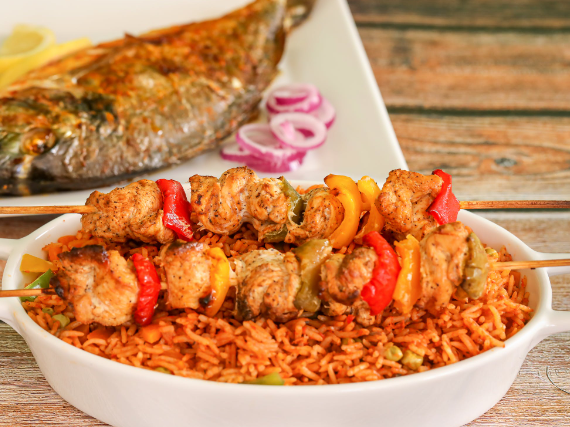
Jollof rice is arguably one of West Africa’s most celebrated dishes, famous for its rich, savory flavor. Originating from Senegal, it has become a staple in countries like Nigeria and Ghana, where each region has its own unique spin. The dish is made with rice cooked in a spicy tomato sauce, often complemented by vegetables, meat, or fish. What’s fascinating is the ongoing debate about which country prepares the best Jollof rice, making it a symbol of national pride.
To make the perfect Jollof rice, you need to pay attention to the quality of your ingredients. Using basmati rice is popular for a fragrant finish, and the secret lies in cooking it in a well-blended tomato paste infused with onions, peppers, and spices. Pair it with fried plantains and grilled chicken to elevate the meal and enjoy a true West African feast.
-
- Use high-quality basmati rice for the best texture.
-
- Blend tomatoes, onions, and bell peppers for a rich sauce.
-
- Add a dash of your favorite spices, like thyme or bay leaves.
-
- Serve with fried plantains for a contrasting sweetness.
-
- Collaborate with friends on the “best” Jollof recipe for fun.
2. Bunny Chow: A South African Classic
Bunny chow is a dish that encapsulates the multicultural essence of South Africa. It consists of a hollowed-out loaf of bread filled with spicy curry, originating from the Indian community in Durban. This dish is not just flavorful; it’s also a handy meal that lets you enjoy your curry without the need for utensils. Its origins are steeped in history, rooted in the legacy built by Indian laborers on South African sugarcane plantations.
The versatility of bunny chow is one of its greatest appeals. You can choose from a variety of fillings, including vegetarian options, chicken, or lamb curries, each bringing its distinct taste to the dish. When preparing bunny chow, the bread comes into play as well; using a fresh, crusty loaf enhances the experience, soaking up all the spices from the curry.
-
- Choose your favorite curry as the filling (chicken, lamb, or veggies).
-
- Use a fresh, crusty loaf of white bread for the best texture.
-
- Consider adding chutneys for extra flavor.
-
- Serve with a side of sambals (chopped salads) to enhance freshness.
-
- Experiment with different spice levels to suit your taste.
3. Injera: Ethiopia’s Unique Bread
Injera is more than just a bread; it’s the heart of Ethiopian cuisine. This sourdough flatbread is made from teff flour, adding a unique flavor and nutritional value to the table. Its spongy texture and distinctive sour taste make it the perfect companion to various stews and dishes, known as wat. Eating injera traditionally involves tearing off pieces to scoop up the flavorful stews, making it a hands-on dining experience.
The preparation of injera is an art in itself. The batter requires fermentation, which can take up to three days depending on the climate. The result is a tangy bread that can last for several days, making it a practical staple. Injera serves as a base for many dishes, such as doro wat (spicy chicken stew) and misir wat (spicy lentil stew), both of which are quintessential Ethiopian foods.
-
- Use teff flour for an authentic flavor and texture.
-
- Allow the batter to ferment for 2-3 days for the best results.
-
- Cook on a large, flat surface to ensure even distribution.
-
- Serve paired with a variety of stews for a complete meal.
-
- Practice tearing pieces of injera to master the traditional eating style.
Exploring African famous foods opens up a world of flavors and traditions that can enhance your culinary repertoire. Whether you’re looking to recreate these dishes at home or simply develop a deeper appreciation for African cuisine, now is the time to dive in. Embrace the flavors and stories behind these meals, and don’t hesitate to experiment in your kitchen!