
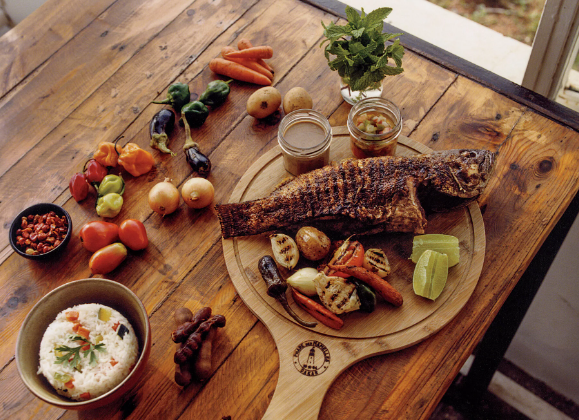
African dining traditions are a vivid tapestry woven from the continent’s diverse cultures, languages, and histories. Each region offers unique culinary practices that reflect local customs, ingredients, and community values.
1. Communal Eating: A Symbol of Togetherness
In many African cultures, meals are celebrated as communal events, fostering a sense of belonging and connection. Families and friends often gather around a large dish, sharing food from the same plate. This practice not only enhances social bonds but also underscores the importance of unity. For example, in countries like Ethiopia, dining takes place around a large platter of injera, a sourdough flatbread, topped with various stews, encouraging sharing and conversation.
The communal dining experience varies from region to region. In West Africa, the traditional way of eating often involves using the right hand to scoop up food. This hands-on approach emphasizes the sensory experience of meal preparation and enjoyment. Sharing meals fosters respect and community spirit, making each dining occasion a celebration of togetherness.
-
- Encourage sharing; opt for large communal dishes.
-
- Prepare different dishes representing various local cuisines.
-
- Engage in conversations during meals to strengthen bonds.
-
- Follow local customs for serving and eating.
-
- Make meals a ritual; include traditions to enhance the experience.
2. The Role of Rituals and Traditions in Dining
Dining in Africa is often accompanied by rituals and traditions that have been passed down through generations. For example, in many cultures, the act of washing hands before meals signifies purification and respect for the food being consumed. These rituals enhance the significance of food, turning meals into spiritual experiences. In some regions, a blessing or prayer may be recited before eating, reflecting gratitude and respect for nature’s bounty.
Moreover, different occasions warrant specific dining customs. Weddings, festivals, and religious celebrations often feature elaborate feasts that include traditional dishes prepared with great care. Participating in these rituals not only preserves cultural heritage but also allows individuals to honor their ancestors and the community. Rituals make dining more than just food consumption; it transforms it into an occasion for reflection and connection.
-
- Research local customs and incorporate them into your dining routine.
-
- Engage in pre-meal rituals, like handwashing or blessings.
-
- Celebrate special occasions with traditional dishes and gatherings.
-
- Respect dietary restrictions observed in specific cultures.
-
- Invite family or friends to share in these cultural rituals.
3. Ingredients: The Heart of African Cuisine
The diversity of Africa’s ecosystems greatly influences its culinary landscape. Each region boasts unique ingredients that form the foundation of its dishes. For instance, North African cuisine is rich with spices like saffron and cumin, reflecting Arab and Berber influences. In contrast, Sub-Saharan Africa showcases staples such as millet, cassava, and yams, integral to the diet and culture. The use of locally sourced ingredients not only enriches the flavor but also promotes sustainability and economic support for local farmers.
Moreover, Africa hosts a wealth of fruits and vegetables that add vibrancy to meals. From the tangy flavors of baobab fruit to the earthy taste of kalabash, these ingredients provide essential nutrients and cultural significance. As many African cultures emphasize the importance of fresh and organic produce, integrating these ingredients into your meals can create a unique dining experience, celebrating the continent’s rich agricultural heritage.
-
- Experiment with local African recipes to understand ingredient use.
-
- Shop from local markets to support farmers and get fresh ingredients.
-
- Incorporate traditional spices to enhance flavor profiles.
-
- Learn about the cultural significance of different ingredients.
-
- Attend local food festivals to discover new flavors and dishes.
4. Modern Influences on Traditional Dining
As globalization affects culinary practices worldwide, traditional African dining is not left untouched. Young chefs are blending conventional techniques with international flavors, bringing a contemporary twist to classic dishes. This fusion not only introduces new culinary ideas but also revitalizes interest in African cuisine, making it more accessible to a global audience. Social media platforms showcase these innovative chefs, allowing for the rapid spread of dining concepts and food trends.
However, while modern influences enrich African dining, there is a growing movement to preserve traditional culinary practices. Many chefs and food activists advocate for a return to farm-to-table philosophies, celebrating locally sourced ingredients and sustainable practices. This approach honors heritage while accommodating modern tastes, creating a balance necessary for future generations.
-
- Explore fusion dishes that incorporate modern flavors with traditional ingredients.
-
- Support restaurants that focus on sustainable, local ingredients.
-
- Follow culinary influencers on social media to discover innovative cooking ideas.
-
- Attend culinary workshops focusing on traditional and modern techniques.
-
- Encourage local chefs to maintain cultural authenticity in their cooking.
In conclusion, African dining traditions are deeply rooted in community, rituals, and ingredients that reflect the continent’s diversity. By embracing these aspects, we can not only enrich our dining experiences but also contribute to the preservation of African culinary heritage. Consider exploring these traditions in your next meal to celebrate the richness of African culture.