
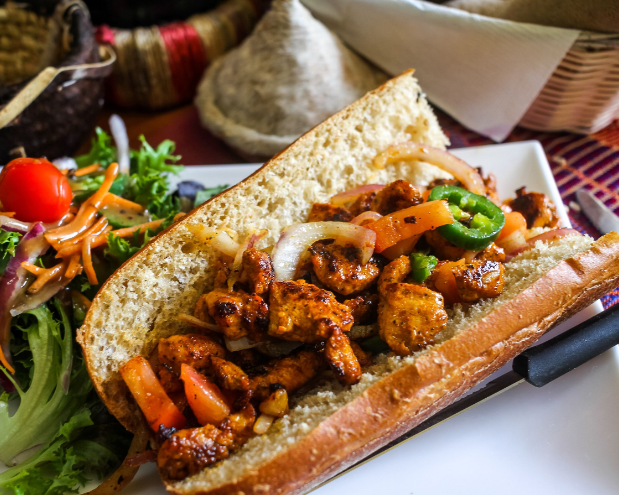
African cuisine is a vibrant tapestry of flavors, ingredients, and traditions that vary widely across the continent. From the spicy stews of West Africa to the hearty dishes of East Africa, discovering African food can be an enlightening experience that tantalizes your palate and connects you to diverse cultures.
1. Exploring Regional Flavors
African food is far from homogeneous; it is rich in regional diversity shaped by cultural influences, climate, and geography. For instance, North African cuisines, such as Moroccan and Egyptian, often feature aromatic spices like saffron and cinnamon and staples like couscous and flatbreads. On the other hand, Southern Africa showcases ingredients like maize, beans, and diverse meats, reflecting the agricultural practices in the region.
Moreover, each region has unique cooking methods that define its culinary identity. In Ethiopia, for instance, injera, a sourdough flatbread, acts as both a plate and a utensil for various stews known as wat. Understanding these regional variations not only enhances your culinary skills but also deepens your appreciation for the cultural richness behind the food.
-
- Research different regional cuisines to understand their unique ingredients.
-
- Try cooking a dish from each region to experience diverse cooking methods.
-
- Visit local African markets to discover region-specific ingredients.
-
- Engage with cultural communities to learn more about their culinary practices.
2. The Role of Ingredients in African Cuisine
Central to African cooking are its ingredients, many of which are local and seasonal. Common staples include grains like millet, cassava, and sorghum, alongside a variety of legumes and vegetables. Each ingredient carries with it a story or significance; for example, millet is vital for many communities for its drought-resistant properties and nutritional benefits.
Additionally, herbs and spices play a pivotal role in flavoring dishes. African cuisines frequently incorporate spices like berbere in Ethiopia or peri-peri in Angolan dishes. Learning how to use these spices can transform your cooking and allow you to recreate authentic flavors at home.
-
- Experiment with local spices and herbs to enhance your dishes.
-
- Select seasonal ingredients for better flavor and freshness.
-
- Learn about the historical significance of specific ingredients.
-
- Grow your own herbs to get familiar with their flavors and uses.
3. Traditional Cooking Techniques
Traditional African cooking techniques are as diverse as the cuisines themselves. Methods such as steaming, boiling, and roasting capture the essence of the ingredients while preserving nutrients. For instance, cooking whole grains in a clay pot helps infuse flavor and retains moisture, yielding delicious results.
Another common technique is smoking, prevalent in regions like Southern Africa. Smoked meats or fish not only enhance flavor but also serve as preservative methods in areas lacking refrigeration. Learning these techniques can deepen your understanding of the culinary arts and inspire creative adaptations in your kitchen.
-
- Try cooking grains in different ways, such as steaming or boiling.
-
- Explore traditional smoking techniques if you have the means and space.
-
- Attend workshops to learn about authentic cooking methods.
-
- Adapt traditional recipes to modern kitchen gadgets for convenience.
4. Celebrating African Food Culture
African food is not just about nourishment; it is a fundamental part of cultural expression and community bonding. Food plays a vital role in celebrations, rituals, and social gatherings across the continent. For example, during traditional weddings in Nigeria, families often cook large feasts to honor the union and share with the community.
Moreover, food festivals and events serve as avenues for sharing culinary heritage and showcasing diverse recipes. Participating in these events not only enriches your understanding but also allows for hands-on experience with flavors, traditions, and people. Exploring food culture can foster a sense of belonging and appreciation for the rich tapestry of African traditions.
-
- Attend a local African food festival to experience the culture firsthand.
-
- Invite friends and family to share in the joy of preparing traditional dishes.
-
- Learn about food practices connected to local ceremonies.
-
- Support local African restaurants to help promote cultural diversity.
5. Embracing African Ingredients in Everyday Cooking
Introducing African ingredients into your daily meals can be a delightful way to diversify your eating habits. Ingredients like fonio, teff, and various legumes offer nutritional benefits and unique flavors. Trying out these ingredients can turn a mundane meal into something extraordinary.
Moreover, with the growing awareness and appreciation of global cuisines, many supermarkets now stock African ingredients. Integrating these into your cooking can not only broaden your culinary skills but also make your meals more adventurous and healthful. Embracing these ingredients fosters a connection to the vibrant cultures they originate from.
-
- Start by substituting one ingredient in your favorite recipes.
-
- Explore online grocery stores for accessible African ingredients.
-
- Join social media groups focused on African culinary exchange.
-
- Document your cooking adventure to share and inspire others.
In conclusion, embarking on an African food discovery journey offers a wealth of flavors, techniques, and traditions that can enrich your culinary experience. Whether you are trying your hand at cooking, learning about cultural significance, or discovering new ingredients, there is much to explore. Take the next step and dive into the vibrant world of African cuisine today!