
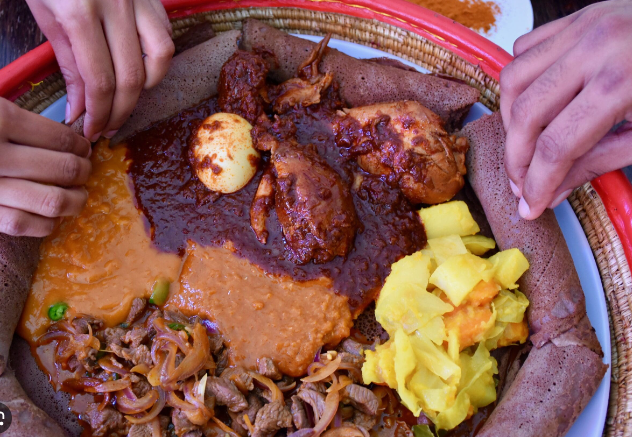
African cultural cuisine is a vibrant tapestry of flavors, ingredients, and cooking techniques that reflect the continent’s rich history and diverse cultures. From spicy stews to hearty grains, each dish tells a story of tradition and community. In this article, we’ll explore some key aspects of African cuisine, highlighting its unique characteristics and essential ingredients.
1. Flavors and Ingredients that Define African Cuisine
One of the most remarkable features of African cuisine is its bold and diverse flavors. Ingredients like spices, herbs, and local produce play a crucial role in defining the taste of various dishes. For instance, the use of piri-piri (a chili pepper) is widely prevalent in East Africa, contributing to the heat found in dishes such as peri-peri chicken. Meanwhile, West African cuisine often showcases peanut sauces and rich stews, such as groundnut soup, signifying the importance of peanuts as a staple food source.
Moreover, grains such as rice, millet, and sorghum serve as essential components in many African diets. For example, jollof rice, a popular dish in West Africa, incorporates tomatoes, onion, and bell peppers for a delightful blend of flavors. These ingredients not only add taste but also sustain local economies by supporting small farmers and regional agriculture.
-
- Experiment with various spices like cumin, coriander, and cardamom.
-
- Visit local markets to discover fresh, regional ingredients.
-
- Incorporate grains into meals for added texture and nutrition.
-
- Try making a traditional dish from a specific African region.
2. Traditional Cooking Methods Across the Continent
African cultures possess rich culinary traditions that often involve unique cooking methods passed down through generations. For instance, the use of clay pots, open fires, and traditional stoves are common practices that add flavor and authenticity to dishes. In many rural areas, one might encounter the communal cooking of meals, where families come together to prepare, cook, and share their food, fostering community ties and creating memorable experiences.
Another notable cooking method is steaming, often done using woven bamboo baskets or leaves, which preserves the nutrients of ingredients while infusing them with natural flavors. For example, the Ethiopian dish injera, a sourdough flatbread, is traditionally cooked on a large griddle, demonstrating how traditional methods contribute not only to taste but also to the cultural identity of the food.
-
- Explore traditional cooking techniques to enhance your culinary skills.
-
- Host a communal cooking night with friends to share African recipes.
-
- Invest in quality cookware that can sustain traditional cooking methods.
-
- Learn about the cultural significance of various cooking practices.
3. Signature Dishes to Try at Home
If you’re eager to dive into African culinary traditions, there are a myriad of signature dishes to explore. Among them, tagine from North Africa is a beautifully spiced stew typically slow-cooked in a conical pot, often featuring lamb, chicken, or vegetables, paired with fragrant spices like saffron and cinnamon. Each region boasts its own version, accompanying it with couscous for a complete meal.
Another dish worth trying is bobotie, a South African comfort food made from spiced minced meat topped with a creamy egg mixture. Each bite reveals layers of flavor from the fruit chutney traditionally served alongside it. By attempting these dishes, you not only expand your palate but also gain insight into the heritage of their respective cultures.
-
- Start with simpler recipes to build confidence in African cooking.
-
- Gather feedback from friends and family on your culinary creations.
-
- Pair dishes with complementary sides for a full experience.
-
- Document your cooking journey to see your progress over time.
Exploring African cultural cuisine can be an exciting and enlightening experience. Not only do these dishes celebrate the continent’s rich history and flavors, but they also encourage communal dining and appreciation for diverse culinary practices. So grab a recipe, gather your ingredients, and embark on a flavorful journey through Africa’s culinary landscape!
“`