
Africa boasts a vibrant culinary landscape rich in flavors, ingredients, and traditions, reflecting its diverse cultures. Exploring African recipes is not only a delicious journey; it also connects us to the continent’s history and customs.
1. West African Jollof Rice
Jollof rice is a beloved dish that embodies the heart of West African cuisine, especially in countries like Nigeria and Ghana. This one-pot meal primarily features rice cooked in a flavorful tomato sauce infused with spices such as thyme, bay leaves, and chili. The debate over which country makes the best Jollof rice ignites friendly rivalries, making it a staple at parties and celebrations across the region.
Traditionally, the dish is served with fried plantains, grilled meats, or fish, enhancing its rich flavors. To make Jollof rice at home, you can start by sautéing onions and bell peppers, then add blended tomatoes and spices. Let it simmer before adding rinsed rice and cooking until fluffy. Each family may have its unique twist, further highlighting the dish’s adaptability and popularity.
-
- Prepare your ingredients in advance for smoother cooking.
-
- Experiment with different protein sources, like chicken, beef, or shrimp.
-
- Adjust the spice level based on your preference – add more chili for heat!
-
- Serve it fresh, as reheated Jollof is often debated.
-
- Pair with a refreshing side salad to balance the flavors.
2. East African Ugali
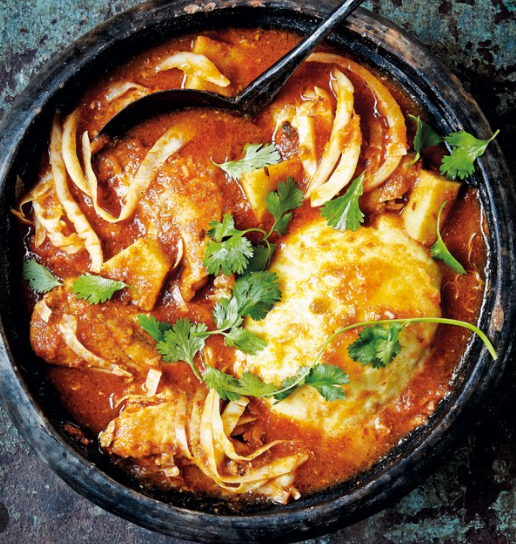
Ugali is a staple food made from maize flour, commonly consumed in countries like Kenya, Tanzania, and Uganda. This dense, dough-like dish serves as an excellent accompaniment to various stews and vegetables, highlighting its versatility. The process of making ugali is straightforward; it is prepared by boiling water and gradually adding maize flour, stirring until it thickens and pulls away from the pot.
Ugali is not only a filling dish but also carries a cultural significance, often eaten communally. It is customary to use your hands to pinch off a piece of ugali and dip it into sauces or stews. When combined with spicy fish or vegetable stew, ugali becomes a comforting meal reflecting the essence of East African dining culture.
-
- Use a heavy-bottomed pot to prevent sticking.
-
- Mix vigorously to achieve a smooth consistency.
-
- Serve while hot for the best texture.
-
- Pair with traditional sauces for an authentic experience.
-
- Consider making a larger batch for gatherings.
3. Southern African Biltong
Biltong is a type of cured meat that holds a prominent place in Southern African cuisine, particularly in South Africa. Unlike jerky, biltong is typically made from beef or game meats seasoned with vinegar, salt, and spices before being air-dried, allowing it to retain moisture and flavor. The process requires a keen attention to detail, as drying times and seasoning can greatly affect the final product.
This nutritious snack has become increasingly popular worldwide, appreciated for its high protein content and unique taste. Biltong can be enjoyed on its own, incorporated into salads, or served as part of a charcuterie board. Making biltong at home can be a rewarding project, but it requires proper food safety practices to prevent spoilage.
-
- Choose lean cuts of meat for optimal results.
-
- Experiment with different spices, such as coriander or chili.
-
- Ensure good air circulation while drying to prevent mold.
-
- Store biltong in an airtight container to maintain freshness.
-
- Consider using a dehydrator for consistent drying times.
4. North African Tagine
Tagine is both a dish and a cooking vessel, reflecting the rich culinary traditions of North Africa, particularly Morocco. This slow-cooked stew is characterized by its unique blend of spices, such as cumin, ginger, cinnamon, and saffron. Tagine can be made with various meats, vegetables, and fruits, showcasing the adaptability and depth of flavors found in North African cuisine.
The name ‘tagine’ refers to the earthenware pot with a conical lid that facilitates the slow cooking process, allowing steam to circulate and keep the ingredients moist. The dish is often served over couscous, completing a flavorful, aromatic meal. With its warm spices and hearty ingredients, tagine is a comfort food that invites convivial dining experiences.
-
- Select a variety of spices for complex flavors.
-
- Use seasonal vegetables for a fresh twist.
-
- Allow for slow cooking to enhance tenderness.
-
- Serve with warm bread or couscous.
-
- Garnish with fresh herbs for added brightness.
Exploring African regional recipes not only satiates the taste buds but also opens avenues for understanding diverse cultures and traditions. Embrace the vibrant flavors of Africa in your kitchen, and consider trying your hand at these recipes to embark on a culinary journey that celebrates heritage and community.