
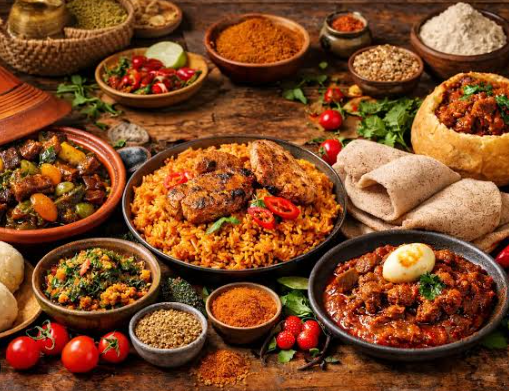
African cuisine is a vibrant tapestry of flavors, ingredients, and traditions that vary widely across the continent. Each region boasts its own unique dishes, often influenced by local culture, climate, and agriculture. In this blog post, we’ll explore some delightful African culinary recipes that you can try at home.
1. Jollof Rice: A West African Classic
Jollof rice is arguably one of the most beloved dishes in West Africa. Typically made with tomatoes, onions, and pepper, this one-pot dish is a staple at celebrations and family gatherings. The beauty of Jollof lies in its versatility; while the basics remain the same, each country has its twist, from the spices used to the proteins added.
To make authentic Jollof rice, start by blending fresh tomatoes, red bell peppers, and onions to create a sauce. Cook this sauce until it’s rich and flavorful, then add parboiled rice and let it simmer until the rice absorbs all the deliciousness. Consider serving it with fried plantains or grilled chicken for a complete meal.
-
- Choose high-quality, long-grain rice for the best texture.
-
- For extra flavor, add spices like thyme or bay leaf.
-
- Always let the rice rest for a few minutes after cooking.
-
- Experiment with different proteins, such as shrimp or beef.
2. Bunny Chow: A South African Street Food Delight
Bunny chow is a unique dish that originated from the Indian community in South Africa. At its core, it consists of a hollowed-out loaf of bread filled with spicy curry. The concept is simple yet ingenious, allowing for endless variations, from vegetarian to chicken or lamb curries.
To prepare bunny chow, begin by selecting a hearty bread that can hold its shape. Make a flavorful curry using your choice of meat and spices, ensuring it’s thick enough to stay inside the bread. Serve it warm, garnished with fresh coriander and a side of chutney for a tangy contrast.
-
- Use leftover curry to make an even quicker meal.
-
- Hollow out the bread just before serving to maintain freshness.
-
- Consider adding a cooling side dish, like raita, for balance.
-
- Don’t skip the garnishes; they add both flavor and presentation.
3. Injera: The Ethiopian Staple
Injera is a sourdough flatbread that serves as the base for many Ethiopian meals. Made from teff flour, it is both nutritious and gluten-free. The unique fermentation process gives injera its characteristic tang and spongy texture, perfect for scooping up stews and salads.
To make injera, you’ll need to ferment the teff flour with water for several days until it bubbles and smells slightly sour. Cook it on a large, flat pan until it forms a dome-like shape. Serve it alongside various stews, allowing diners to tear pieces off to enjoy with their favorite dishes.
-
- Use a cast-iron skillet for the best results when cooking injera.
-
- Be patient with the fermentation process for optimal flavor.
-
- Store leftover injera in the fridge; it can last for days.
-
- Try experimenting with different flours for variety.
4. Suya: A Spicy Street Food Skewer from Nigeria
Suya is a popular street food in Nigeria, consisting of skewered, grilled meat marinated in spicy peanut sauce. Typically made with beef or chicken, suya is seasoned with a mix of spices, including cayenne pepper, ginger, and garlic, which infuse the meat with deep flavors.
To prepare suya, cut your choice of meat into thin strips and marinate it in a mixture made from ground peanuts, spices, and oil. Thread the meat onto skewers and grill until cooked through and slightly charred. Serve with sliced onions and tomatoes for a refreshing crunch.
-
- Use fresh, high-quality meat for the best flavor.
-
- Soak wooden skewers in water to prevent burning on the grill.
-
- Adjust the spice level according to your preference.
-
- Consider serving with a side of spicy pepper sauce for an extra kick.
Exploring African culinary recipes can open your palate to a rich array of flavors and cultural traditions. Whether you’re cooking for yourself or entertaining guests, these dishes promise to transport you to various regions of Africa. Don’t hesitate to experiment and make these recipes your own!
“`