
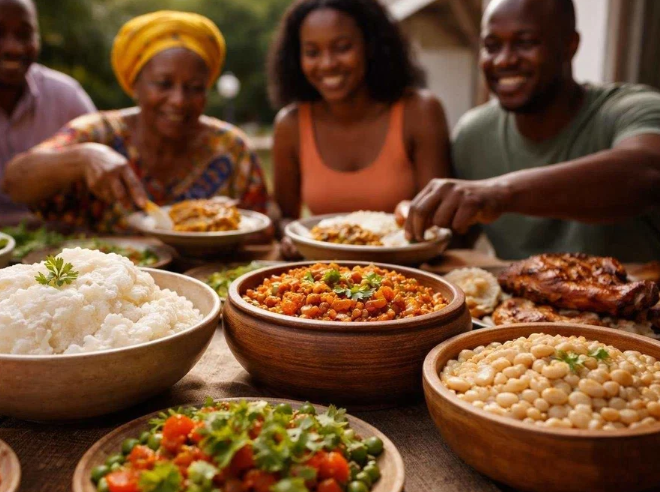
African village cooking offers a unique glimpse into the rich culinary traditions that vary across the continent. With a diverse range of ingredients and cooking methods, these recipes provide not only sustenance but also a deeper connection to culture and community. In this post, we will explore popular cooking methods and showcase some traditional recipes that you can easily try at home.
1. Traditional Cooking Methods
Cooking in African villages often involves techniques that have been passed down through generations. Common methods include grilling, steaming, and making stews over an open fire. These techniques not only enhance the flavors of the ingredients but also foster a communal dining experience, as many dishes are prepared and eaten together.
One popular cooking method is called ‘potjiekos’, which involves slow-cooking ingredients in a cast-iron pot over hot coals. This method allows for the flavors to intensify and meld beautifully. For those in urban settings, using a slow cooker can mimic this traditional technique, resulting in hearty, flavorful meals.
-
- Use fresh, local ingredients for the best flavor.
-
- Opt for a cast-iron pot or slow cooker to recreate traditional cooking methods.
-
- Involve family or friends in the cooking process for a communal experience.
-
- Experiment with spices unique to African cuisine like berbere or harissa.
2. Popular African Village Recipes
One well-loved dish is Ugali, a staple in many East African households, made from maize flour and water. It is simple to prepare and is typically served with vegetables or meat. The beauty of Ugali lies in its adaptability; it can be enjoyed with various sauces or side dishes, making it a versatile base for any meal.
Another favorite is Jollof rice, a one-pot dish celebrated across West Africa. Made with rice, tomatoes, onion, and a variety of seasonings, each region adds its own special touch. The vibrant colors and rich flavors of Jollof rice make it a dish that is perfect for gatherings and celebrations.
-
- For Ugali, stir the maize flour into boiling water until it reaches a thick consistency.
-
- Use fresh tomatoes, onions, and peppers for the best Jollof rice flavor.
-
- Adjust the spices according to your taste; don’t be afraid to get creative!
-
- Pair these dishes with locally sourced vegetables or proteins for a complete meal.
3. Ingredients to Explore
Your culinary adventure in African village cooking would be incomplete without exploring its unique ingredients. Many African dishes utilize grains such as millet, sorghum, and teff. These grains are not only nutritious but also provide a solid foundation for various meals and dishes. They are often ground into flour for baking or porridge.
Additionally, traditional vegetables like collard greens, okra, and cassava are common in many recipes. They add texture and enhance the flavor profile of dishes. Knowing how to properly prepare and cook these ingredients can dramatically elevate your cooking and deepen your appreciation for African cuisine.
-
- Experiment with different grains to find your favorite.
-
- Learn how to properly prepare traditional vegetables for optimal flavor.
-
- Incorporate spices from different regions for interesting variations on classic dishes.
-
- Research local markets or stores that supply African ingredients for authenticity.
In conclusion, African village cooking recipes offer a wonderful way to connect with different cultures and traditions. By trying out these methods and dishes, you can extend your culinary skills and potentially introduce your friends and family to new flavors and experiences. So gather your ingredients, invite loved ones to join in the cooking, and enjoy the rich tapestry of African cuisine!
“`