
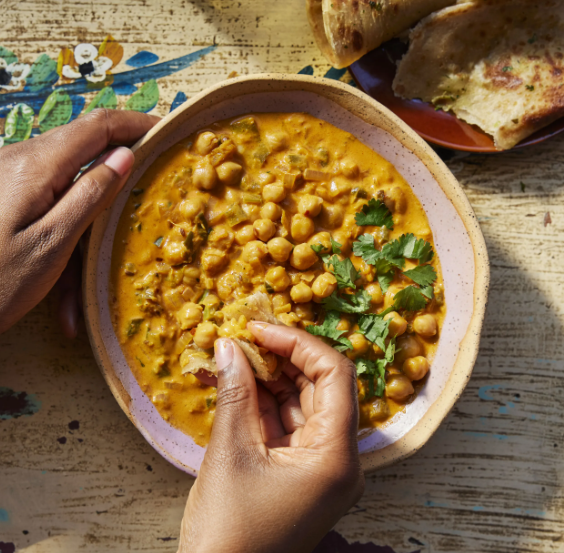
African traditional cooking is a vibrant tapestry of flavors, techniques, and cultural histories, with each region showcasing its unique culinary identity. By exploring these traditional recipes, you can discover a world of ingredients and methods that make African cuisine both diverse and delicious.
1. Exploring West African Jollof Rice
One of the most celebrated dishes in West Africa, Jollof Rice is a must-try recipe that often varies by country, with Nigeria and Ghana being the most notable contenders for the best version. This one-pot rice dish is typically made with a tomato base, seasoned with a variety of spices, and can include proteins such as chicken, fish, or even vegetables for a vegetarian option. Its vibrant color and bold flavors have made Jollof Rice a staple at celebrations and gatherings across the region.
To prepare Jollof Rice, the key is in the tomato sauce, which is often made by blending fresh tomatoes, onions, and peppers. The rice is then cooked in this sauce, absorbing all the flavorful juices. Adding bay leaves and thyme can elevate the dish to an aromatic delight. Understanding the balance of spices is crucial, as this can make or break the recipe.
-
- Choose long-grain rice for a fluffier texture.
-
- Blend fresh tomatoes, onions, and bell peppers for a rich sauce.
-
- Season with thyme, bay leaves, and salt to taste.
-
- Add your choice of protein or vegetables to enhance the dish.
-
- Cook on low heat to allow the rice to absorb all flavors.
2. Diving into Ethiopian Injera
Injera is a type of sourdough flatbread that serves as a staple in Ethiopian cuisine and is often used as both a serving plate and an edible utensil. Made from teff flour, Injera is gluten-free and has a unique slightly sour taste due to the fermentation process. Its spongy texture allows it to soak up rich stews and spices, making it perfect for enjoying a variety of dishes.
The preparation of Injera involves combining teff flour with water, allowing the mixture to ferment for several days until it develops bubbles and a sour aroma. Cooking on a large, round griddle known as a “mitad” results in a flatbread with a characteristic lacy pattern. Serve it alongside various Ethiopian dishes, like doro wat (spicy chicken stew) or kik alicha (split peas), to enhance the meal’s experience.
-
- Use high-quality teff flour for the best flavor and texture.
-
- Allow the batter to ferment for 1-3 days to develop a sour taste.
-
- Cook on a preheated mitad for even heat distribution.
-
- Serve warm with your favorite stews and salads.
-
- Store leftover Injera in the refrigerator for future meals.
3. The Rich Flavors of South African Bobotie
Bobotie is a traditional South African dish that showcases a delightful blend of flavors, balancing sweet and savory elements. This baked minced meat casserole is typically made with ground beef or lamb, combined with spices like curry powder, and topped with a mixture of egg and milk. It is often served with yellow rice and raisins, adding a unique twist to a comforting meal.
The key to a successful Bobotie is in the seasoning and layering of flavors. Common ingredients like onions, garlic, and curry spices create a rich base, while the addition of chopped dried fruit and almonds offers contrasting textures. After baking, the top layer should be golden and set, creating a deliciously soft and aromatic dish, perfect for family meal gatherings or special occasions.
-
- Use a blend of spices, including curry, turmeric, and coriander.
-
- Incorporate dried fruits to enhance sweetness and texture.
-
- Top with a mixture of egg and milk for a rich crust.
-
- Serve warm with a side of yellow rice and chutney.
-
- Experiment with different meats or plant-based options for variation.
Exploring African traditional cooking can be an exciting journey filled with discovering new flavors and techniques. Whether you’re trying out Jollof Rice, Injera, or Bobotie, embracing these recipes will bring a slice of African heritage into your kitchen. Don’t hesitate to dive into these dishes and expand your culinary repertoire, perhaps even gathering friends or family for a delightful shared meal!