
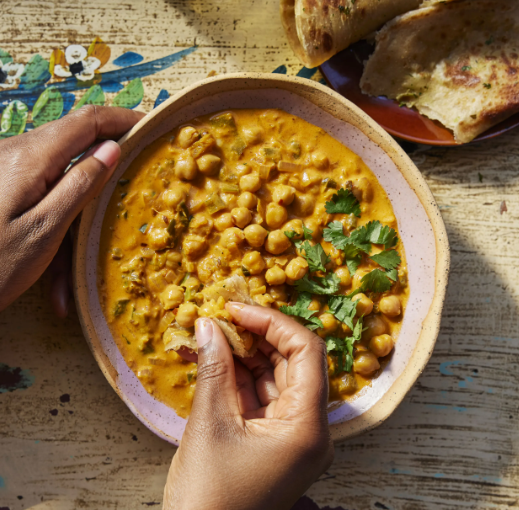
African cuisine is a vibrant tapestry woven from diverse cultures, traditions, and ingredients. Each region’s everyday meals reflect its unique agricultural practices, history, and social customs. From hearty stews to vibrant grains, let’s explore some popular everyday meals across the continent.
1. Ugali: A Staple from East Africa
Ugali is a beloved dish across East Africa, particularly in countries like Kenya and Tanzania. Made from maize flour and water, this simple yet fulfilling dish serves as a base for various stews or grilled meats. Preparing ugali is straightforward; the mixture is stirred over a fire until it forms a thick, dough-like consistency that can be molded into balls.
Eating ugali is often a communal experience. Diners typically shape the dough into small portions using their hands, dipping it into rich sauces or sides. It’s a perfect companion for dishes like sukuma wiki (stir-fried kale) or nyama choma (grilled meat), showcasing the harmony of flavors in East African kitchens.
-
- Use maize flour for an authentic taste.
-
- Stir continuously to avoid lumps.
-
- Pair ugali with vegetable stews or meats.
-
- Experiment with spices to enhance flavor.
-
- Serve hot, as it tastes best fresh.
2. Jollof Rice: A West African Favorite
Jollof rice is a iconic dish in West Africa, claimed as the culinary crown jewel by several countries, including Nigeria and Ghana. Made from long-grain rice cooked in a tomato-based sauce with a blend of spices, it encapsulates the essence of West African flavors. The competition over who makes the best jollof has sparked regional pride and friendly debates, making it a centerpiece for weddings and gatherings alike.
Essentially, jollof rice incorporates various ingredients depending on regional preferences. Common additions include bell peppers, onions, and spices like thyme and bay leaf. The secret often lies in the technique of achieving the perfect balance between smoky and savory notes, often intensified through frying the tomato paste before adding the rice.
-
- Use parboiled rice for best results.
-
- Always fry your tomato base well.
-
- Add a splash of chicken or vegetable broth for flavor.
-
- Consider adding proteins like chicken, fish, or beef.
-
- Let it simmer covered to prevent burning.
3. Bunny Chow: A Street Food Wonder from South Africa
Bunny chow is a fascinating dish that originated from Indian migrant workers in South Africa. It consists of a hollowed-out loaf of bread filled with spicy curry, reflecting the country’s multicultural heritage. Traditionally served as street food, bunny chow has become a comfort food staple, particularly in Durban.
The dish allows for limitless variations; whether you choose lamb, chicken, or vegetable curry, the bread absorbs the flavors beautifully, making each bite a savory delight. This meal is often served with a side of salad or chutney, balancing the spice from the curry with refreshing textures.
-
- Use fresh bread for the perfect bowl.
-
- Choose curry spiciness according to your palate.
-
- Include pickles on the side for added crunch.
-
- Allow the dish to sit for a while for better flavor absorption.
-
- Encourage sharing for a communal experience.
4. Injera: The Heart of Ethiopian Meals
Injera, a sourdough flatbread made from teff flour, is the cornerstone of Ethiopian cuisine. Its unique spongy texture makes it perfect for soaking up various stews and salads that accompany it. Tradition dictates that meals are served on a large platter with shared servings, emphasizing community and togetherness.
The preparation of injera is an art—it involves fermenting the batter, which lends it a distinct flavor. Once cooked, it serves both as a utensil and a food, as diners tear pieces of injera to scoop up the accompanying dishes, such as doro wat (spicy chicken stew) or misir wat (spicy lentil stew). This method of eating underlines the cultural significance of communal dining in Ethiopia.
-
- Ensure proper fermentation for the right taste.
-
- Cook on a large skillet for even thickness.
-
- Serve with a variety of vegetarian and meat stews.
-
- Use injera to scoop food with your fingers.
-
- Store leftover injera in a cool place to retain freshness.
5. Biltong: A Snack with Rich History
Biltong is a dried, cured meat snack that holds a cherished place in South African culture. Often made from beef, game, or ostrich, it’s seasoned with vinegar, salt, and spices before being air-dried. The origins of biltong trace back to the need for preserved meat during the early colonial days, making it a source of sustenance on long journeys.
Today, biltong is enjoyed both as a convenient on-the-go snack and a celebratory treat. It offers a rich, smoky flavor that pairs beautifully with cheese or wine, appealing to both young and old. Its popularity has spread beyond borders, cementing biltong as a favorite in many international markets.
-
- Choose quality cuts of meat for the best biltong.
-
- Experiment with spices like coriander or chili.
-
- Store in a cool, dry place to prolong freshness.
-
- Pair with cheeses and crackers for a tasty snack.
-
- Consider marinating for extra flavor.
Exploring the everyday meals of Africa opens up a world of culinary delights influenced by rich histories and diverse cultures. Whether you’re interested in trying these dishes at home or experiencing them on the continent, every bite tells a story worth savoring. So, gather your ingredients and embark on a flavorful journey through Africa’s vibrant kitchens!
“`