
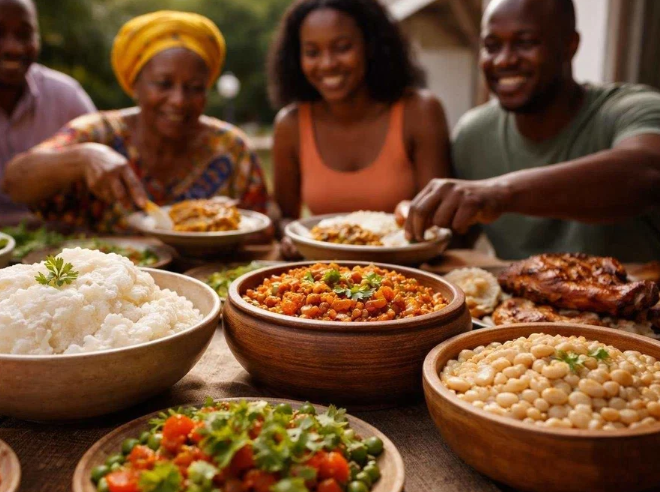
African cuisine is a vibrant tapestry woven from diverse cultures, ingredients, and cooking methods. Each region holds its unique culinary treasures, rich in flavor and history. This blog post will explore classic home cooking from the African continent, focusing on traditional dishes, their preparation, and the importance of community in enjoying these meals.
1. The Heart of African Cuisine: Staple Ingredients
The foundation of African cooking lies in its staple ingredients. Grains like maize, rice, and millet play a crucial role across many regions. These staples are often paired with beans, lentils, or legumes, providing a complete source of nutrition and a fulfilling base for meals. Utilizing fresh, seasonal produce enhances the flavors of traditional dishes, making each meal a celebration of local agriculture.
Additionally, spices and herbs form an integral part of African cooking, adding depth to flavors and enhancing overall taste profiles. Common spices include cumin, coriander, and chili peppers. Each country and even individual families have their own variations on spice blends, creating unique flavor profiles that are distinctive yet familiar.
-
- Visit local markets for fresh ingredients.
-
- Explore regional varieties of grains and legumes.
-
- Experiment with different spices and herbs.
-
- Use seasonal produce for better flavor and nutrition.
2. Traditional African Dishes You Can Cook at Home
Some quintessential dishes exemplify African home cooking. For instance, Jollof rice is a popular West African dish characterized by its vibrant red color, derived from tomatoes, peppers, and onions. Each country has its unique spin—Nigerian Jollof is famed for its smoky flavor, while Ghanaian variations may be a bit sweeter. Preparing Jollof rice involves cooking the rice in a rich tomato sauce, simmering slowly to allow all the flavors to meld beautifully.
Another classic is injera, a sourdough flatbread from Ethiopia, served with an array of spicy stews known as wats. The bread not only serves as a meal component but also as an edible utensil, enhancing the communal dining experience. Making injera requires fermenting teff flour, which gives it a distinctive taste and texture, a testament to the traditional methods of preservation and cooking.
-
- Try making Jollof rice with your choice of proteins.
-
- Explore different recipes and regional variations.
-
- Prepare injera ahead of time to enjoy with various stews.
-
- Encourage family and friends to join in the cooking preparation.
3. The Role of Community and Family in African Cooking
Cooking in many African traditions goes beyond mere sustenance; it encompasses the very fabric of community and family ties. Meals are often prepared and enjoyed collectively, fostering connections among family members and friends. Traditional gatherings frequently revolve around shared meals, reinforcing the sense of belonging and cultural identity.
Culinary traditions are often passed down through generations. Elders typically teach younger family members the art of cooking, sharing not just recipes but also stories and cultural significance behind each dish. This mentorship keeps the culinary heritage vibrant and ensures that traditional flavors endure amidst globalization.
-
- Invite friends and family to cook together.
-
- Learn and pass down family recipes.
-
- Make cooking a communal event, celebrating shared heritage.
-
- Host themed dinners featuring different African cuisines.
The exploration of African classic home cooking reveals an inspiring culinary landscape filled with rich flavors, community connections, and cherished traditions. By engaging in these practices and trying your hand at these recipes, you not only nourish your body but also your spirit. Start your culinary journey today—gather your loved ones, explore unique recipes, and celebrate the joy of cooking together!