
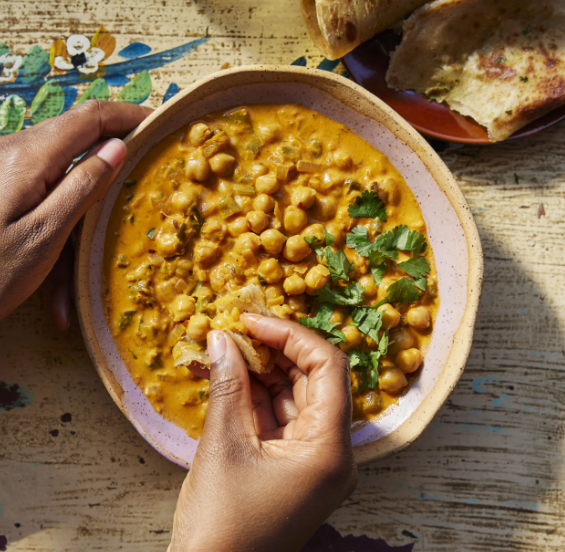
African cuisine is a vibrant tapestry of flavors, ingredients, and cultures that come together to create dishes that are as diverse as the continent itself. From spicy stews to fried plantains, there’s a wealth of inspiration to draw from. Let’s explore some of the delightful culinary traditions that make African cooking so unique.
1. The Richness of Spices
Spices are the heart and soul of African cooking. Each region boasts its own unique blend, such as harissa in North Africa or berbere in Ethiopia. These spices are not only used for flavor but also serve medicinal purposes. For instance, ginger and garlic are commonly featured for their health benefits and aromatic qualities.
Cooking with spices can transform a simple dish into a feast for the senses. When incorporating spices, it’s important to use them correctly. Start by heating whole spices in oil or butter to release their oils and fragrances before adding other ingredients. This technique enhances flavors and makes your dishes stand out.
-
- Start with fresh, whole spices for better flavor.
-
- Experiment with local spice blends unique to various regions.
-
- Toast spices in oil before adding them to your dishes.
-
- Use spices in moderation; they should enhance, not overpower.
-
- Keep a spice journal to note the flavors that you enjoy most.
2. Traditional Cooking Techniques
The cooking methods found across Africa are as diverse as its cultures. Techniques such as steaming, frying, boiling, and slow cooking are prevalent. For example, in West Africa, the use of a clay pot to create rich stews is common, while in East Africa, grilling meats over an open flame is a treasured tradition.
Understanding these techniques can bring authenticity to your cooking. For instance, an African stew like tagine or jollof rice often benefits from slow cooking, allowing flavors to meld beautifully. Moreover, learning to cook with specific tools like a mortar and pestle or a traditional wooden spoon can enrich your culinary repertoire and refine your techniques.
-
- Invest in traditional African cooking tools for an authentic experience.
-
- Practice slow cooking methods for richer flavors.
-
- Grill outdoors to bring out a deeper flavor in meats.
-
- Explore steaming as a healthier cooking option.
-
- Try cooking in clay pots to impart a unique taste.
3. Emphasis on Fresh Ingredients
Fresh ingredients play a crucial role in African cuisine, where meals often revolve around seasonal produce, grains, and proteins. Many African dishes feature locally-sourced vegetables, beans, and grains like millet and sorghum. This not only supports healthy eating but also encourages the use of sustainable practices.
Visit local markets to find fresh produce and engage with local farmers. This practice not only adds freshness to your dishes but also fosters a sense of community and connection to the food you consume. You might discover unique vegetables that are staples in various African cuisines, such as Ethiopian injera made from teff flour or South African chakalaka featuring carrots, peppers, and beans.
-
- Shop at local farmer’s markets for fresh, seasonal ingredients.
-
- Incorporate a variety of vegetables into your dishes.
-
- Experiment with new grains to replace familiar staples.
-
- Plan your meals around what’s fresh and in season.
-
- Try growing your own herbs like basil, mint, or thyme for easy access.
4. Celebrating Community Through Cooking
Food is a central part of social life in many African cultures, giving rise to communal cooking traditions. Families and friends gather to prepare large meals, emphasizing togetherness and celebration. Dishes such as fufu or injera are often made in large batches, bringing people together to share in the experience.
Learning to cook these communal dishes can enhance your understanding of African culture and foster relationships within your own community. Organizing a cooking night with friends where everyone contributes can be a fun way to explore African cuisines and share delicious meals together.
-
- Host a potluck where everyone brings a dish from a different country.
-
- Learn traditional recipes that are typically made in large quantities.
-
- Engage family members or friends in the cooking process.
-
- Share your cooking experiences on social media to inspire others.
-
- Consider taking an African cooking class to deepen your knowledge.
Embarking on a journey through African cooking is not just about preparing meals; it’s about embracing a rich cultural heritage filled with flavors and traditions. By experimenting with spices, traditional techniques, fresh ingredients, and communal cooking practices, you can bring a slice of Africa into your kitchen. So don’t hesitate—get inspired, try new recipes, and celebrate the vibrant world of African cuisine!