
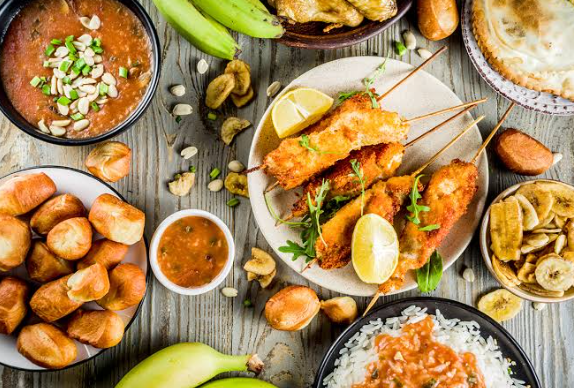
African cuisine is a vibrant tapestry of flavors, traditions, and ingredients that reflect the continent’s diverse cultures and histories. From the spicy stews of North Africa to the hearty dishes of sub-Saharan regions, African culinary inspiration is rich and varied, offering endless possibilities for home cooks and food enthusiasts alike.
1. Exploring African Staple Ingredients
The heart of African cuisine lies in its staple ingredients, which vary from region to region but share a common grounding in local agriculture. Grains such as sorghum, millet, and maize are foundational in many meals. For instance, in countries like Ethiopia, teff is used to create injera, a spongy flatbread that serves as both a plate and utensil for stews. Similarly, cassava is a staple in West African cooking, often processed into fufu, a stretchy side dish that accompanies soups and sauces.
In addition to grains, legumes like lentils, chickpeas, and black-eyed peas are plentiful, providing essential proteins and adding texture to various dishes. Vegetables such as okra, collard greens, and sweet potatoes also play significant roles, showcasing seasonal produce and regional agricultural heritage. Incorporating these ingredients encourages not only a celebration of African flavors but also promotes nutritious eating habits.
-
- Experiment with different grains; try cooking with quinoa or millet for a change.
-
- Incorporate legumes into your meals for added protein and fiber.
-
- Visit local markets to explore fresh vegetables and unique ingredients.
-
- Learn about seasonal ingredients in your region to enhance your cooking.
2. Traditional Cooking Techniques
The techniques used in African cooking are as diverse as the ingredients themselves. One popular method is slow-cooking, which allows flavors to meld beautifully over time. Tagines, a traditional North African cooking vessel, showcase this technique, where meats, vegetables, and spices are layered and cooked slowly to produce tender, flavorful dishes. Similarly, in many Southern African cultures, potjiekos—a dish cooked in a cast iron pot over an open flame—provides deeply infused flavors and community bonding over shared meals.
Another essential technique is steaming, commonly used in the preparation of dishes like Ethiopian doro wat. This method preserves the texture and nutrients of food, often using bamboo baskets or other natural materials. Mastering these techniques can not only elevate home-cooked meals but also foster appreciation for the culture behind each dish.
-
- Try slow-cooking a stew; allow it to simmer for hours for maximum flavor.
-
- Explore using traditional cooking vessels if possible to enhance authenticity.
-
- Incorporate steaming methods to keep your vegetables light and nutritious.
-
- Attend workshops or cooking classes that focus on African culinary techniques.
3. Traditional Dishes Worth Trying
African cuisine is filled with traditional dishes that tell stories through their flavors. One such dish is jollof rice, a beloved West African staple that brings together rice, tomatoes, and a variety of spices. Each country has its variation, showcasing local flavors and cooking methods. Servings of jollof rice are often accompanied by grilled meats, fried plantains, or fresh salads, making it a versatile centerpiece for any meal.
Another dish, bobotie, hails from South Africa and reflects the nation’s complex cultural history. This comforting baked dish is made with spiced minced meat, baked with an egg-based topping, and often served with rice and chutney. Exploring these dishes can broaden one’s palate and foster an appreciation for the rich culinary heritage of African cultures.
-
- Make jollof rice to experience the rich flavors of West Africa.
-
- Try bobotie for a sweet and savory balance that embodies South African cuisine.
-
- Experiment with different proteins like chicken or lentils in traditional recipes.
-
- Have a themed dinner night showcasing various African dishes.
African cuisine offers a world of inspiration, bringing together exotic flavors, traditions, and cooking techniques that can elevate any meal. By exploring its staple ingredients, traditional techniques, and signature dishes, you can embark on a culinary journey that celebrates the continent’s rich heritage. Embrace the diversity of African cooking and consider incorporating these elements into your routine for a flavorful experience.