
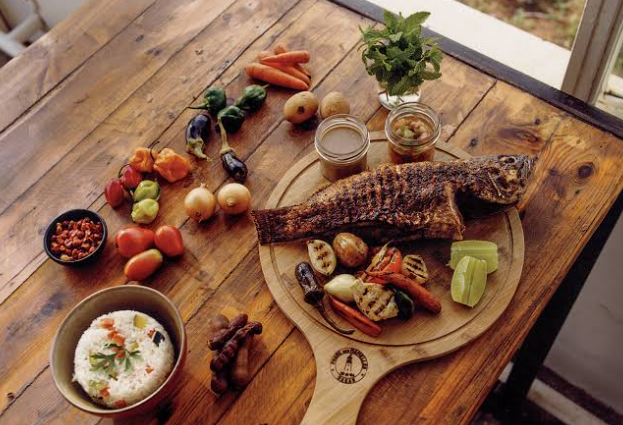
African cooking heritage is a rich tapestry woven from diverse cultures, traditions, and geographical influences. Each region boasts unique techniques and flavors, reflecting the history and resources available to its people.
1. The Diversity of Ingredients in African Cuisine
African cooking utilizes an extensive variety of ingredients that vary from region to region. Staples such as millet, sorghum, and cassava are commonly found in many dishes, while spices like berbere from Ethiopia and peri-peri from Mozambique enhance flavors in remarkable ways. Vegetables and fruits, including plantains, yams, and a multitude of leafy greens, contribute not only to the taste but also to the nutritional value of many meals.
Moreover, meat plays a significant role in many African dishes. In regions where livestock is prevalent, beef, goat, and chicken are frequently featured, while coastal areas embrace seafood. Traditional cooking methods also utilize local ingredients, such as making stews in hollowed-out gourds or using clay pots. Understanding these various ingredients can greatly enhance your appreciation of African meals.
-
- Explore local markets to discover unique African ingredients.
-
- Try substituting familiar ingredients with local options to recreate authentic dishes.
-
- Learn about the nutritional benefits of different staples used in African cooking.
-
- Experiment with regional spices to discover new flavor profiles.
2. Traditional Cooking Techniques
Traditional cooking techniques in Africa are as diverse as the continent itself. Methods such as steaming, grilling, and slow-cooking have been passed down through generations, often using local materials. For example, in many West African cultures, food is commonly cooked over an open flame, infusing it with smoky flavors that are characteristic of the region.
Another notable technique is fermentation, which is used to prepare several types of dishes, including injera in Ethiopia and traditional beer in various cultures. These cooking methods not only offer distinct flavors but also provide health benefits by preserving nutrients in foods. Incorporating these methods into your cooking can lead to a deeper connection with the culinary traditions of the African continent.
-
- Research specific techniques from different regions you are interested in.
-
- Try cooking with traditional methods, like using a clay pot or an open flame grill.
-
- Join cooking classes that focus on African cuisine to learn hands-on techniques.
-
- Experiment with fermentation at home for unique flavor developments.
3. The Cultural Significance of Meals
In many African cultures, meals are more than just sustenance; they symbolize social bonds, traditions, and celebrations. Sharing food is a communal activity, often bringing families and communities together. Special occasions, such as weddings or festivals, feature elaborate dishes showcasing regional specialties, which highlight the importance of food in cultural identity.
Furthermore, traditional ceremonies often involve specific foods that speak to the region’s customs and beliefs. For instance, in South African cultures, the braai (barbecue) is not only a cooking method but a social event that fosters camaraderie. Learning about the cultural significance of meals can inspire a more profound appreciation for African culinary practices.
-
- Participate in communal meals to experience the social aspect of cooking.
-
- Research the cultural significance of meals in different African traditions.
-
- Host a themed dinner night based on an African culture or festival.
-
- Connect with local African communities to learn more about their culinary traditions.
Exploring African cooking heritage allows you to experience a vast array of flavors, techniques, and cultural insights. Whether you’re a beginner or an experienced cook, delving into these traditions can enhance your culinary skills and enrich your palate. Start experimenting with African dishes today, and connect with the stories behind the food!
“`