
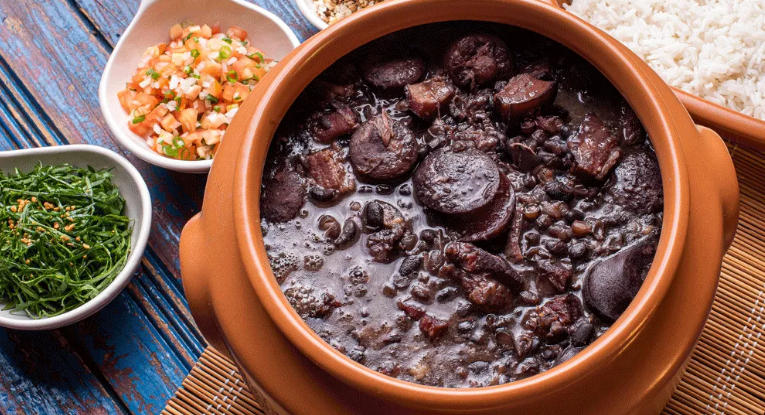
Feijoada is more than just a hearty dish; it represents a rich tapestry of Brazil’s cultural heritage. Understanding its origins not only deepens our appreciation for this beloved meal but also highlights the country’s diverse history and the melting pot of influences that shape Brazilian cuisine.
The Roots of Feijoada
Feijoada’s origins can be traced back to colonial Brazil in the 17th century. It is believed that the dish was influenced by Portuguese stew recipes, specifically “feijoada à transmontana.” The adaptation in Brazil involved the use of black beans, which are native to the region, along with various cuts of meat such as pork and beef. It became a popular meal among enslaved Africans who added their own flavors and cooking techniques, turning what might have been a simple stew into a flavorful, communal dish.
A Dish of Diversity
What makes feijoada particularly interesting is its embodiment of Brazil’s multicultural influences. Besides Portuguese and African roots, the dish also shows elements from Indigenous Brazilian cultures, who utilized local ingredients. Each region of Brazil has its own twist, such as the addition of different meats or spices. In Rio de Janeiro, for example, orange slices and farofa (toasted cassava flour) are commonly served alongside, while in the northeast, the dish might feature shrimp or fish. This adaptability has made feijoada a true representation of Brazil’s diverse culinary landscape.
Celebrating Feijoada Today
Feijoada is celebrated beyond just being a meal; it represents family, community, and tradition. Typically served on Wednesdays and Saturdays, it’s a classic choice for gatherings, bringing friends and families together. Many Brazilian restaurants host feijoada specials, allowing everyone to savor this delicious dish. Today, it’s not just limited to Brazil—chefs worldwide have embraced feijoada, adding their own flair while paying homage to its roots. Whether you’re tasting it in São Paulo or a small café in Europe, feijoada continues to foster connections among diverse cultures.
In conclusion, feijoada is a dish that tells a story of Brazil’s history and multiculturalism. Whether you’re a seasoned chef or a curious eater, learning about feijoada offers a deeper understanding of Brazilian culture. Why not try making your own feijoada this weekend or visit a local restaurant that serves it? Dive into this flavorful and historical dish, and you’ll be sure to create lovely memories around the table!