
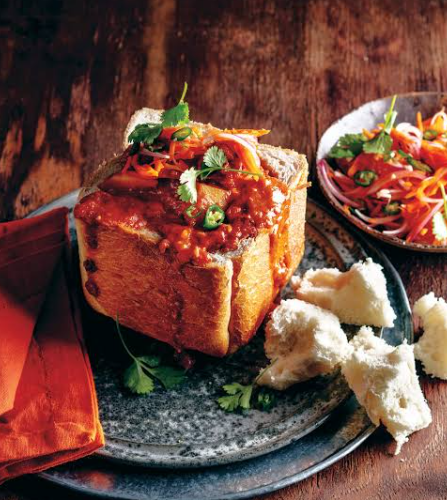
Africa is a continent rich in culinary diversity, with each region boasting unique dishes that reflect its culture and history. From hearty stews to aromatic spices, African homemade dishes are a celebration of flavor and tradition. Let’s explore some delightful dishes you can try at home.
1. Jollof Rice
Jollof rice is a beloved West African dish known for its vibrant red color and rich flavors. Made with rice, tomatoes, onions, and various spices, it is often served at celebrations and family gatherings. The secret to a great Jollof rice is in the cooking technique—the rice should be steamed to perfection while absorbing all the delicious tomato sauce.
To make Jollof rice, start by blending tomatoes, red peppers, and onions into a smooth paste. Sauté this mixture in oil, adding bay leaves and thyme for aroma. Gradually add washed rice, water, and seasonings. Let it simmer until the rice is fluffy and infused with tangy flavors. Serve it alongside grilled chicken or fried plantains to elevate the meal.
-
- Use long-grain rice for the best texture.
-
- Try adding proteins like chicken or shrimp.
-
- Don’t skip the onions; they add depth to the flavor.
-
- Cook on low heat to prevent burning.
-
- Experiment with different spices for a personal touch.
2. Injera and Doro Wat
Injera, a fermented flatbread, is a staple in Ethiopian cuisine that pairs perfectly with Doro Wat, a spicy chicken stew. The sour taste of injera comes from the teff flour used, which undergoes a natural fermentation process. This unique bread not only provides a delicious base but also absorbs the rich stews and sauces served on top.
To prepare Doro Wat, marinate chicken pieces in lemon juice and spices. The dish is cooked slowly with onions, garlic, ginger, and berbere spice, creating a deep, complex flavor. When served together, the injera allows diners to scoop up the Doro Wat, making each bite an interactive and communal experience.
-
- Soak teff flour for at least 24 hours before cooking injera.
-
- Use a non-stick pan for making injera to prevent sticking.
-
- Adjust the spiciness of Doro Wat to your preference.
-
- Serve with a variety of vegetables to complement the meal.
-
- Use fresh spices for the best flavor.
3. Bobotie
Bobotie is a traditional South African dish with a fusion of flavors, combining savory meat with a sweet custard topping. This dish exemplifies the Cape Malay influence, featuring minced meat, spices, and dried fruits such as raisins or apricots. It is often baked until golden, offering a crispy top with an aromatic filling.
Preparation begins by sautéing onions and garlic, then adding ground meat mixed with spices like curry powder and turmeric. Once fully cooked, add breadcrumbs and milk to bind the mixture. Pour a custard made from eggs and milk over the meat before baking. The result is a hearty dish best served with yellow rice and chutney.
-
- Use lean meat for a healthier option.
-
- Adjust sweetness by varying the amount of dried fruit.
-
- Let the dish rest before serving for better slicing.
-
- Pair with spicy chutney for an extra kick.
-
- Garnish with sliced almonds or coconut for added texture.
4. Tagine
Tagine refers to both a style of cooking and the earthen pot used to prepare it, commonly found in Moroccan cuisine. This slow-cooked stew incorporates meats, vegetables, and an array of spices, reflecting the rich history of trade in spices across North Africa. Cooking in a tagine results in tender meats and deeply infused flavors that elevate every meal.
A typical tagine might combine chicken with apricots, olives, and almonds. To make it, layer the chicken with spices such as cumin and coriander, and add a variety of vegetables like carrots and zucchini. Cover and cook slowly on low heat, allowing the steam to lock in moisture and flavor. Serve with couscous for a wholesome meal.
-
- Layer ingredients properly for even cooking.
-
- Use homemade spice blends for a personal touch.
-
- Do not rush the cooking process for tender results.
-
- Experiment with different fruits and vegetables.
-
- Serve with bread or couscous to soak up the sauce.
Exploring African homemade dishes can be an enlightening and delicious journey. Each dish not only offers unique flavors but also tells a story of culture and tradition. Get started on trying these recipes, or perhaps even discover your own family’s culinary heritage!