
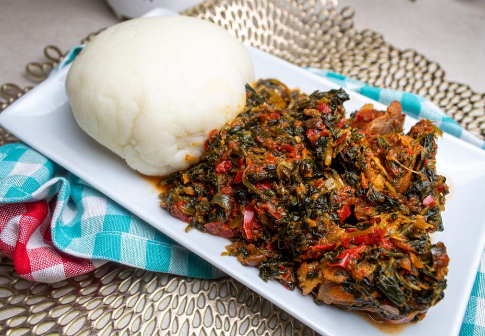
African cuisine is as diverse as the continent itself, encompassing a rich tapestry of flavors and traditions. Each region offers a variety of lunch dishes that are not only delicious but also hold cultural significance.
1. Jollof Rice
Jollof rice is a beloved West African dish that has transcended borders, becoming a staple in many countries like Nigeria and Ghana. The dish is known for its vibrant red color, which comes from blending tomatoes, red pepper, and onions into a rich sauce. Typically served with grilled meats or fish, it can be customized with vegetables or spicy seasonings according to personal taste. This versatility is one reason why Jollof rice is often a centerpiece at gatherings and celebrations.
Preparing Jollof rice requires careful attention to cooking the rice just right, ensuring it absorbs the flavors of the sauce without becoming overly sticky or mushy. A good Jollof rice dish often features a smoky aroma, achieved by allowing the rice to cook uncovered for a short time after adding the sauce. This traditional method, known as “burnt rice,” gives the dish a unique taste.
-
- Gather ingredients: rice, tomatoes, onions, red bell peppers, spices.
-
- Blend tomatoes and peppers to create the base sauce.
-
- Sauté onions in oil before adding the sauce and spices.
-
- Cook rice separately before mixing with the sauce.
-
- Let the dish simmer for a smoky flavor.
2. Injera and Doro Wat
Injera is a sourdough flatbread that is a staple in Ethiopian cuisine, often serving as the base for various dishes. With its spongy texture and tangy flavor, injera plays a crucial role in Ethiopian dining, where it is used to scoop up stews and salads. When paired with Doro Wat, a spicy chicken stew flavored with berbere spice, it creates a delightful and hearty meal. The unique way of eating with hands, tearing pieces of injera to grab the stew, adds to the cultural experience.
Making injera involves fermenting teff flour and water, which gives it a distinctive taste and texture. The fermentation process can take several days, but it results in a nutrient-rich bread full of protein and fiber. Doro Wat, on the other hand, is a labor of love, simmering chicken pieces with onions, spices, and hard-boiled eggs for depth of flavor. Together, they represent a beloved comfort meal for many Ethiopians.
-
- Prepare teff flour and water mixture for fermentation.
-
- Cook the injera on a hot skillet until bubbly and brown.
-
- Use finely chopped onions and berbere to cook chicken for Doro Wat.
-
- Add hard-boiled eggs to enhance the stew.
-
- Serve with a side of fresh salads to balance the flavors.
3. Bunny Chow
Bunny Chow is an iconic street food from South Africa with Indian roots, consisting of a hollowed-out loaf of bread filled with spicy curry. This dish is a perfect representation of how diverse culinary influences can blend to create something uniquely delicious. It is particularly popular in Durban, where Indian immigrants introduced their flavors to local cuisines. Traditionally, it includes meats like chicken or lamb, and the bread itself serves as an edible bowl, soaking up all the curry goodness.
To prepare Bunny Chow, you’ll start by making a rich curry to fill your bread. This can be a chicken or a vegetarian option, depending on your taste preferences. Once the curry is ready, you cut a loaf of bread into quarters, hollow it out, and fill it with the hot curry. The result is a flavor-packed meal that is easy to eat on-the-go, making it a popular choice among locals and tourists alike.
-
- Select a fresh loaf of bread for the best texture.
-
- Cook your choice of meat or vegetables in spices.
-
- Hollow out the bread, saving the inner pieces for later.
-
- Fill the bread with the hot curry and serve immediately.
-
- Garnish with fresh cilantro or onion slices for added flavor.
4. Fufu and Light Soup
Fufu is a staple dish in many West African countries, particularly Ghana, made from starchy vegetables like cassava, yams, or plantains that are boiled and pounded into a smooth, stretchy paste. It is typically served with a variety of soups or stews, with Light Soup being a popular pairing. This dish represents comfort food for many families and is often enjoyed during communal meals, symbolizing togetherness.
Making Fufu involves boiling the chosen starch until soft and then pounding it with a mortar and pestle or using a food processor. The consistency should be smooth, allowing it to easily scoop up the accompanying soup. Light Soup, usually made with chicken or fish and infused with local spices, complements the Fufu perfectly, offering a light yet flavorful broth to enhance the meal.
-
- Choose your base: cassava, yam, or plantain.
-
- Boil until soft before smashing or blending.
-
- Prepare the Light Soup with cooking protein and spices.
-
- Serve Fufu with a bowl of soup on the side.
-
- Enjoy using your hands to scoop and mix flavors.
5. Koshari
Koshari is a popular Egyptian street food combining rice, lentils, pasta, and a zesty tomato sauce topped with crispy onions. This filling dish is often considered a comfort food and is served in small eateries throughout Egypt. It reflects the country’s history of various cultural influences, making it a true melting pot of flavors and ingredients. The dish is not only satisfying but also economical, making it a favorite among locals.
To create Koshari, you’ll start by cooking rice, lentils, and small pasta shapes separately. Each component is layered in a bowl and drizzled with a spiced tomato sauce. A sprinkle of crispy fried onions on top adds a delightful crunch. The combination of textures and flavors makes Koshari a comforting meal that is often enjoyed with a side of garlic vinegar for an extra kick.
-
- Cook rice, lentils, and pasta separately for best results.
-
- Prepare the tomato sauce with spices like cumin and coriander.
-
- Layer the ingredients carefully in a bowl for presentation.
-
- Top with crispy onions for added texture.
-
- Serve with garlic vinegar for extra flavor.
In conclusion, exploring African lunch dishes is a culinary adventure that opens up a world of flavors and traditions. Whether you’re looking to step outside your comfort zone or simply enjoy a delightful meal, these dishes offer a unique taste of African culture. Dive into the experience and try your hand at preparing these recipes at home!