
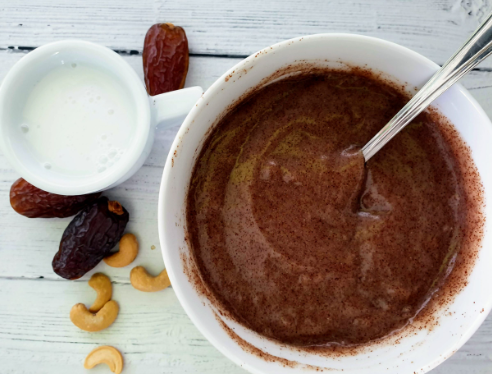
Breakfast is a vital meal around the world, and in Africa, it showcases a rich diversity of traditions and culinary practices. Each region has its unique flavors and ingredients, reflecting the local culture and agricultural heritage. This blog post will explore some popular traditional breakfasts across different African countries.
1. The Versatile Ugali from East Africa
Ugali, a staple in many East African countries like Kenya and Tanzania, is a simple yet filling dish made from maize flour and water. It is often served as a base to accompany stews, vegetables, or meats, making it a versatile centerpiece of breakfast. In some regions, a touch of milk or sugar is added for a sweeter variation, catering to different tastes and preferences.
To prepare ugali, bring water to a boil before gradually adding maize flour, stirring continuously to avoid lumps. The consistency should be thick enough to easily hold shape when formed into a ball. Typically, it’s served alongside savory dishes such as sukuma wiki (collard greens) or fish, creating a balanced meal.
-
- Use fresh ingredients for optimal taste.
-
- Experiment with different flavors by adding spices.
-
- Pair with your favorite proteins for a more fulfilling breakfast.
-
- Practice your stirring technique to achieve the right consistency.
2. Enjoying Chakalaka in South Africa
Chakalaka is a spicy vegetable relish that is popular in South Africa, often served at breakfast alongside bread, pap, or eggs. This dish features a vibrant mix of tomatoes, onions, and various spices, creating a hearty option to start the day on a flavorful note. Historically a staple among mine workers, it reflects the resourcefulness of South African cuisine.
The preparation of chakalaka involves sautéing onions and garlic, adding tomatoes, carrots, and spices, and letting the mixture simmer. It can be made ahead of time and simply warmed up for a quick breakfast option. Its adaptability allows it to be enjoyed with or without a protein source, catering to diverse dietary needs.
-
- Use seasonal vegetables for the freshest taste.
-
- Adjust the spice level to suit your palate.
-
- Make a large batch and store it in the fridge for easy breakfasts.
-
- Serve with different types of bread for variety.
3. Delightful Banga Soup in Nigeria
Banga soup is typically associated with the Niger Delta region of Nigeria and is a rich, flavorful soup made from palm nuts. While often served for lunch or dinner, some enjoy it as a hearty breakfast option with starch-based sides like pounded yam or fufu. The soup is characterized by its oily texture and is enriched with local spices, fish, and meats, making it a fulfilling start to the day.
To make banga soup, blend boiled palm nuts with water, then sift the mixture to extract the milk. The same process allows for adding various meats and fishes, alongside tomatoes, onions, and seasoning for a wholesome dish. The warmth of this dish and its spicy notes invigorate the senses and provide lasting energy throughout the morning.
-
- Experiment with different proteins to find your favorite combination.
-
- Serve with your choice of starchy side for a complete meal.
-
- Make in larger quantities, as flavors often deepen when reheated.
-
- Pair with a slice of plantain for a delightful contrast.
4. The Sweet Touch of Malva Pudding in Southern Africa
Malva pudding, a delicious dessert originating from South Africa, is often enjoyed at breakfast for a sweet start to the day. This sponge-like treat is made with apricot jam, giving it a unique flavor, and is often served warm with a cream sauce. Its comforting sweetness makes it an indulgent breakfast choice for those preferring a lighter meal to kick off their day.
Preparing malva pudding involves mixing ingredients like flour, sugar, and eggs, combined with the apricot jam for that distinct flavor. Once baked, it is drizzled with a warm cream sauce for added richness. Its simplicity and delightful taste make it a beloved dish that can be whipped up quickly for breakfast or enjoyed as a snack.
-
- Serve with fresh fruits for a refreshing balance.
-
- Experiment with flavors by adding spices like cinnamon or nutmeg.
-
- Make a larger batch and freeze for quick breakfasts later.
-
- Consider substituting the apricot jam with other fruit preserves for variety.
In conclusion, African traditional breakfasts are diverse, flavorful, and carry rich cultural significance. Whether you prefer savory or sweet options, there’s something to suit every palate. Embrace this culinary journey by trying these dishes at home, or explore local African restaurants to discover even more delicious flavors!