
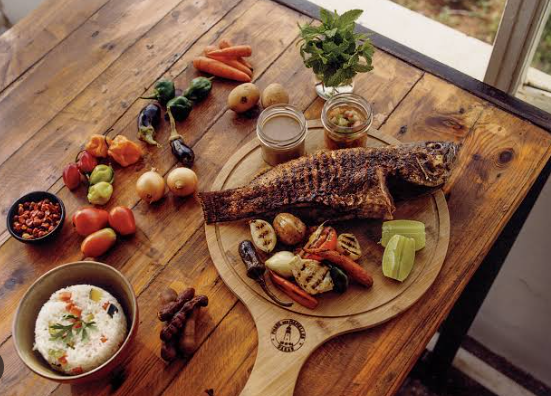
African traditional flavors bring a rich tapestry of tastes and aromas, often reflecting the continent’s diverse cultures and histories. Each region boasts its own unique ingredients, cooking methods, and culinary traditions that have been passed down through generations.
1. Understanding Spices and Their Origins
Spices are fundamental to African cuisine, often defining the distinct flavors of regional dishes. For example, the use of peri-peri peppers in Southern Africa adds heat and zest to many dishes, while Ethiopian cuisine is renowned for its berbere spice blend, a mix of chili peppers, garlic, and other spices. Understanding the origins and uses of these spices can elevate your cooking and deepen your appreciation for the food.
In West Africa, spices like ginger, garlic, and nutmeg are frequently employed, showcasing the region’s affinity for bold flavors. Traditional cooking methods often involve slow-cooking stews and soups that allow these spices to infuse into meats and vegetables, creating a harmonious balance of taste and aroma.
-
- Explore local markets for fresh spices unique to your region.
-
- Experiment with mixing your own spice blends for authentic flavor.
-
- Use spices in moderation; start with a small amount and adjust to taste.
-
- Learn about the historical significance of specific spices in African culture.
2. Key Ingredients That Define African Cuisine
African cuisine is incredibly diverse, but some ingredients are ubiquitous across many regions. Staples like rice, millet, and yam serve as the backbone of meals, providing sustenance and energy. These ingredients are often paired with flavorful sauces made from tomatoes, onion, and local herbs.
In North Africa, couscous is a fundamental dish, often served with rich stews made from lamb or chicken. Meanwhile, in East Africa, ugali—a stiff porridge made from cornmeal—is commonly enjoyed alongside a variety of meat and vegetable dishes, highlighting the adaptability of key ingredients in different culinary contexts.
-
- Stock your pantry with essential staples like rice, millet, and legumes.
-
- Learn to prepare a traditional dish from a specific African region.
-
- Incorporate local vegetables and herbs into your everyday cooking.
-
- Try making sauces or stews to enhance the flavors of your main ingredients.
3. Cooking Techniques and Their Impact on Flavor
The cooking techniques utilized in African cuisine play a significant role in developing flavor profiles. Traditional methods such as grilling, steaming, and slow-cooking enhance the natural tastes of the ingredients. For instance, dishes cooked in clay pots absorb moisture and regulate heat, allowing for a unique cooking experience that infuses flavors deeply.
Additionally, the communal aspect of cooking often seen in many African cultures fosters creativity and shared culinary experiences. Preparing meals together not only strengthens bonds but also leads to the exchange of flavors and techniques that enhance the meal’s overall taste.
-
- Learn about traditional cooking techniques specific to various regions.
-
- Try using clay pots or cast iron for slow-cooking traditional dishes.
-
- Make cooking a communal activity to discover new flavors together.
-
- Document your cooking experiments to refine your skills over time.
In summary, exploring African traditional flavors opens the door to a world of rich culinary traditions. By understanding the spices, key ingredients, and cooking techniques, you can not only enhance your dishes but also connect with the culture behind them. Take the next step by experimenting with these flavors in your kitchen and sharing your culinary journey with others.
“`