
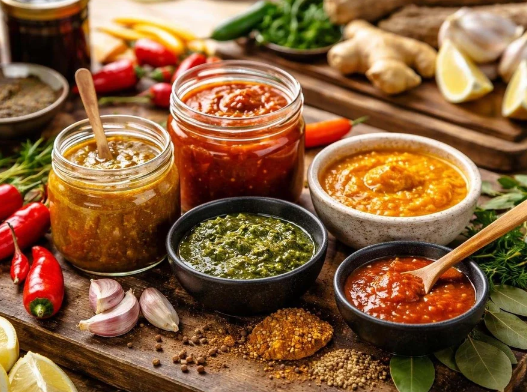
African food and flavor culture is a vibrant tapestry of traditions, techniques, and tastes that varies widely across the continent. From spicy stews to savory grilled meats, African cuisine reflects the rich history and diversity of its people.
1. The Essence of African Ingredients
The foundation of African cuisine lies in its diverse ingredients, many of which are native to the continent. Staples like millet, cassava, and yams are often used in traditional dishes, while spices such as ginger, coriander, and chili peppers add character and heat. Each region has its own preferred ingredients, contributing to unique flavor profiles that tell a story of local customs and agriculture.
-
- Explore local markets for fresh, native ingredients.
-
- Experiment with spices you might not have tried before.
-
- Learn about the cultural significance of different foods.
-
- Grow your own herbs and spices to enhance your dishes.
2. Cooking Techniques and Traditions
Cooking methods in African cuisine are as diverse as its ingredients. Some common techniques include grilling, steaming, boiling, and frying, often performed over open flames or in clay pots, which impart a unique flavor. Traditional cooking often involves communal effort, where families and neighbors gather to prepare meals, reinforcing bonds and cultural heritage.
-
- Participate in cooking classes focusing on African techniques.
-
- Try making a traditional dish with friends or family.
-
- Be open to learning about the stories behind recipes.
-
- Use traditional cookware for an authentic experience.
3. The Role of Food in Social Contexts
In many African cultures, food plays a crucial role in social interactions and celebrations. Meals are often a gathering point, serving as a means to strengthen family ties or build community relationships. Special occasions like weddings or religious celebrations feature elaborate feasts, showcasing the host’s cultural heritage and generosity.
-
- Invite friends for a communal meal to showcase African dishes.
-
- Learn about the cultural customs surrounding food in different African communities.
-
- Attend local African festivals to experience food in a social context.
-
- Consider the symbolism behind shared meals in various cultures.
In conclusion, exploring African food and flavor culture offers an enriching experience that transcends mere taste. By understanding the ingredients, cooking techniques, and social significance, you can appreciate the beauty of this diverse culinary landscape. Take the plunge and savor the flavors of Africa in your own kitchen or community!