
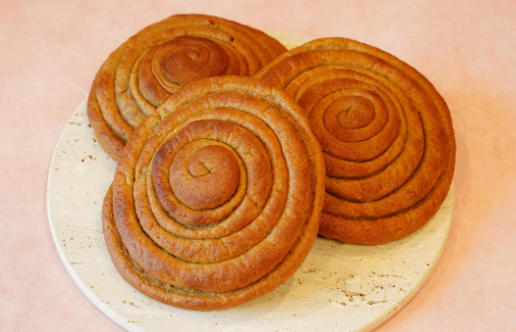
Egyptian bread dishes are a fascinating blend of tradition, culture, and history. They reflect a culinary legacy that has evolved over thousands of years, showcasing various ingredients and techniques that are integral to Egyptian life.
1. Aish Baladi: The Heart of Egyptian Cuisine
Aish Baladi, often referred to as the Egyptian flatbread, is a staple in every Egyptian household. This bread is made with whole wheat flour, water, and salt, producing a nutritious and versatile accompaniment to many meals. Traditionally cooked on a hot surface or in a clay oven, Aish Baladi has a slightly chewy texture and a characteristic puff, creating a pocket that can hold various fillings.
This flatbread is not only popular for its taste but also for its role in Egyptian culture. It is typically served with dishes like falafel, grilled meats, or stews, and is used to scoop up food in a communal style, reinforcing the social aspects of dining. The bread can be enjoyed fresh or toasted for a crispy texture, making it a versatile choice for any meal.
-
- Use whole wheat flour for better nutrition.
-
- Let the dough rest to improve flavor and texture.
-
- Cook on a hot surface for the best puffing results.
-
- Experiment with spices for unique flavor combinations.
-
- Serve immediately for the best taste.
2. Feteer Meshaltet: The Flaky Delight
Feteer Meshaltet, often referred to as Egyptian filo pastry, is a delectable dish known for its layers and flakiness. This pastry is typically made with flour, butter, and water, then rolled out and layered several times to create that signature flakiness. It can be served as a savory dish filled with ingredients like cheese, herbs, or vegetables or as a sweet treat filled with honey, nuts, or fruits.
This dish is often enjoyed during special occasions or as a street food delicacy. The preparation can be labor-intensive, but the end result is flavorful and visually appealing. Feteer Meshaltet embodies the spirit of Egyptian hospitality, often served at gatherings and celebrations to delight guests and bring everyone together.
-
- Layer your dough carefully for optimal flakiness.
-
- Use warm butter or ghee to enhance the flavor.
-
- Fill with seasonal ingredients for freshness.
-
- Experiment with different cooking techniques like frying or baking.
-
- Serve hot for the best texture and taste.
3. Kebda Eskandarani: A Breadful Delight
Kebda Eskandarani, or Alexandria-style liver sandwiches, represents a unique fusion of hearty filling and traditional bread. This dish features sautéed beef liver spiced with garlic, cumin, and chili, served within a fluffy bun, often made with Aish Baladi or similar bread. The rich, savory flavors of the liver are complemented by the fluffy bread, making each bite a delight.
This dish has its origins in Alexandria, showcasing the coastal city’s influence on regional cuisine. Many vendors offer Kebda Eskandarani as a street food option, widely appreciated for its robust flavor and satisfying nature. It’s a popular choice among locals and tourists alike, providing a glimpse into the vibrant culinary scene of Egypt.
-
- Select fresh liver for the best flavor.
-
- Don’t overcrowd the pan to achieve even cooking.
-
- Serve with pickled vegetables for a crunchy contrast.
-
- Add chili or spices to cater to local preferences.
-
- Consider offering various types of bread for variety.
Egyptian bread dishes offer a delicious journey through history, tradition, and taste. Whether trying your hand at making Aish Baladi or indulging in a Feteer Meshaltet, each dish provides a unique experience of Egypt’s rich culinary heritage. Don’t hesitate to explore these flavors and bring a taste of Egypt into your kitchen!
“`