
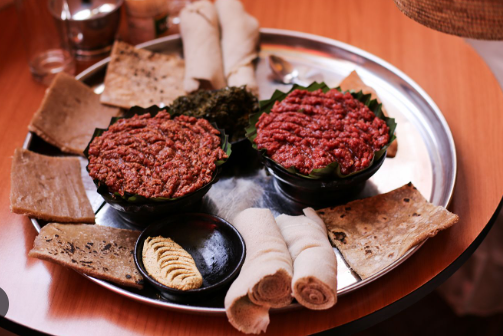
Ethiopian cuisine is a vibrant and diverse tapestry of flavors, traditions, and communal dining practices. From tantalizing spices to hearty stews, the dishes reflect the rich history and culture of the country. This post explores some delicious Ethiopian recipes that you can easily replicate at home!
1. Doro Wat: The Famous Spicy Chicken Stew
Doro Wat is perhaps the most iconic dish in Ethiopian cuisine, known for its rich flavors and aromatic spices. This chicken stew is typically cooked with berbere, a spice blend that includes chili peppers, garlic, ginger, and various other spices. The dish often features hard-boiled eggs, which absorb the spicy sauce’s flavor and add a creamy texture. Served with injera, a sourdough flatbread, this stew is perfect for family gatherings or special occasions.
To create an authentic Doro Wat at home, you’ll start by marinating chicken pieces in lemon juice and salt. Then, sauté onions in a generous amount of oil until they turn golden brown. Adding berbere spice and simmering the chicken will help to achieve that deep, complex flavor characteristic of this dish.
-
- Ingredients needed: chicken, berbere spice, onions, garlic, ginger, hard-boiled eggs.
-
- Marinate chicken for at least one hour for better flavor absorption.
-
- Serve with injera to soak up the delicious sauce.
-
- Don’t rush the sautéing process; caramelized onions deepen the flavor profile.
-
- Adjust spiciness level by adding more or less berbere spice as per your taste.
2. Shiro: A Flavorful Chickpea Stew
Shiro is a comforting, thick stew made primarily from ground chickpeas or lentils, and is often consumed as a vegetarian or vegan option in Ethiopian households. The stew is flavored with berbere spices and often includes onions and garlic for added depth. Shiro can be enjoyed during fasting periods or any day of the week, making it a versatile staple across the country.
To prepare Shiro, start by sautéing onions in oil until they are translucent. Add garlic and ginger, followed by the shiro powder (which can be purchased or made at home) and water. Stir and allow the mixture to thicken. The polysaccharides in chickpeas provide a satisfying creamy texture without the need for dairy, making it a great option for all diets.
-
- Choose between dry or canned chickpeas; dried requires longer cooking times.
-
- Feel free to personalize it with vegetables like spinach or kale.
-
- Serve it hot with injera or rice for a delightful meal.
-
- Keep stirring to avoid sticking and ensure even cooking.
-
- Adjust spices to taste; the balance between heat and flavor is key.
3. Tibs: Grill Your Way to Flavorful Meat Dishes
Tibs are sautéed or grilled pieces of meat, usually lamb or beef, and are served in a variety of sauces. This dish can be customized to your palate, offering everything from mild to spicy options. It is cherished for its juiciness and rich flavors, making it a favorite in Ethiopian restaurants and homes alike. Tibs are often enjoyed during special gatherings and ceremonies.
To make Tibs, marinate the meat in a mixture of spices, onions, and butter for at least a few hours. Grill or sauté the meat to your desired level of doneness, then add bell peppers and other vegetables before finishing with a sprinkle of berbere for an extra kick. The dish is typically served on a sizzling platter to maintain warmth and enhance the dining experience.
-
- Use fresh, high-quality meat for the best flavor results.
-
- Experiment with different marinades, such as garlic and lemon juice.
-
- Add vegetables like onions and peppers for a balanced dish.
-
- Cook it hot and fast for a better char and texture.
-
- Garnish with fresh herbs for added color and flavor.
4. Injera: The Traditional Ethiopian Flatbread
Injera is a sourdough flatbread that acts as both a plate and utensil in Ethiopian dining. Made from teff flour, this bread is not only delicious but also gluten-free. The fermentation process contributes to its unique sour flavor and spongy texture, making it ideal for soaking up various stews and sauces. Crafting injera at home can be a rewarding experience, providing an authentic touch to your Ethiopian meals.
To prepare injera, mix teff flour with water and let it ferment for 2-3 days. This fermentation process is what gives injera its signature tangy flavor. Afterward, cook the batter on a hot skillet or traditional mitad until bubbles form on the surface. Keeping the heat consistent is crucial to achieving the right texture.
-
- Use a non-stick pan if you don’t have access to a traditional mitad.
-
- Always let the batter ferment to build flavor complexity.
-
- Control the cooking heat for even browning.
-
- Practice pouring the batter in a circular motion for even thickness.
-
- Store leftovers covered to prevent them from drying out.
In conclusion, Ethiopian cuisine offers a wealth of flavors and textures that are sure to delight your taste buds. Whether you’re trying your hand at Doro Wat, Shiro, Tibs, or Injera, these recipes provide a wonderful opportunity to explore the rich culinary traditions of Ethiopia. So roll up your sleeves, gather your ingredients, and dive into cooking these delicious dishes today!