
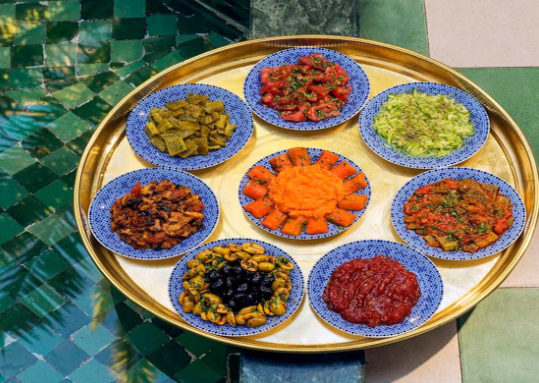
Moroccan food culture is a vibrant tapestry woven from centuries of history, tradition, and diverse influences. Rich spices, unique cooking techniques, and communal dining create an unforgettable culinary experience that reflects the country’s rich cultural heritage.
1. Spices: The Heart of Moroccan Cuisine
The cornerstone of Moroccan cuisine lies in its distinctive use of spices. Ground spices such as cumin, coriander, and cinnamon are staples in various dishes, while blends like ras el hanout—a mix of up to 30 different spices—add depth and complexity. This practice not only enhances flavor but also preserves food, a necessity in a hot climate.
Spices can be used to marinate meats, flavor tagines, or sprinkle over vegetables. Each region boasts its own specialties and variations, influenced by local agricultural products. For instance, the coastal cities might lean towards more seafood-based dishes paired with fresh herbs, while the inland regions may focus more on robust meats and earthier flavors.
-
- Explore local spice markets (souks) in Morocco for unique finds.
-
- Start with basic spices: cumin, coriander, and paprika.
-
- Experiment with making ras el hanout at home using your favorite spices.
-
- Consider learning traditional spice blending techniques.
-
- Pair spices with seasonal ingredients for best results.
2. The Tagine: A Symbol of Moroccan Cooking
No discussion of Moroccan food culture would be complete without mentioning the tagine. This clay pot, characterized by its conical lid, is as versatile as it is practical. Traditionally used for slow-cooking stews over hot coals, the tagine infuses dishes with moistness and flavor. Popular tagine recipes often feature a mixture of meats, vegetables, and fruits, creating a delightful balance that is quintessentially Moroccan.
Cooking with a tagine requires some learning, but the results are well worth the effort. Common ingredients include lamb, chicken, or fish, combined with seasonal vegetables and dried fruits like apricots or prunes. The slow cooking process allows the flavors to meld beautifully, resulting in a dish that is aromatic and satisfying.
-
- Invest in a good quality tagine for better results.
-
- Always soak the tagine in water before use to prevent cracking.
-
- Experiment with various meat and vegetable combinations.
-
- Practice patience; low and slow cooking yields the best flavors.
-
- Don’t rush; allow the dish to cool slightly before serving for optimal taste.
3. Communal Dining: A Cultural Experience
In Morocco, food is often a communal affair, reflecting the deep-seated cultural values surrounding hospitality and family. Meals are typically enjoyed together, showcasing a variety of dishes laid out for sharing. This emphasizes connection and conversation, making dining an integral part of social life.
The traditional way of eating is quite unique, usually involving tearing pieces of bread to scoop up food. This practice not only fosters a sense of togetherness but also reflects the Moroccan ethos of generosity, as guests are always encouraged to eat their fill. The communal aspect of dining highlights the importance of relationships, making every meal a memorable affair.
-
- Invite friends or family for a Moroccan meal to experience communal dining.
-
- Offer a variety of dishes to encourage sharing.
-
- Use traditional flatbreads instead of utensils for a more authentic experience.
-
- Engage in conversations and storytelling during meals.
-
- Respect the etiquette of serving and eating with others.
Moroccan food culture presents a rich array of flavors, techniques, and traditions that can both delight and educate. If you’re inspired by what you’ve learned, consider trying your hand at cooking a Moroccan dish or exploring your local Moroccan restaurant to experience the magic firsthand!