
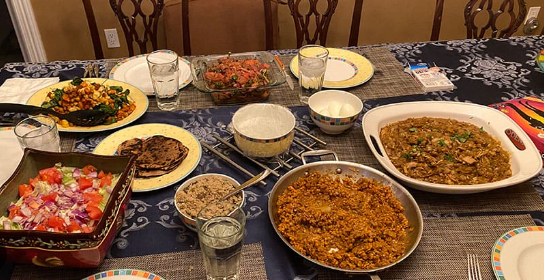
Ethiopian home cooking is a vibrant mosaic of flavors, rich traditions, and communal dining experiences. Steeped in history and culture, each dish tells a story of its origins, making the act of cooking and sharing food a ritualistic practice. In this blog post, we will explore the essence of Ethiopian cuisine, highlighting its unique ingredients, traditional cooking methods, and the communal dining experience that makes it so special.
1. The Heart of Ethiopian Ingredients
Ethiopian cuisine is well-known for its use of diverse and unique spices. Key ingredients such as berbere, misir, and niter kibbeh lend distinct flavors to its dishes. Berbere, a spice blend made of chili pepper, garlic, ginger, and various herbs, is essential in stews like Doro Wat and Shiro. Niter kibbeh, a spiced clarified butter, brings richness to many Ethiopian dishes, enhancing their flavor profiles.
Furthermore, legumes, grains, and vegetables play a crucial role in Ethiopian cooking. Lentils and beans are frequently used to create hearty vegan dishes, while teff is the primary grain for making injera, the spongy bread that accompanies almost every Ethiopian meal. This emphasis on wholesome ingredients not only supports local agriculture but also contributes to a balanced and nutritious diet.
-
- Experiment with berbere spice to add depth to your stews.
-
- Use niter kibbeh in place of regular butter for a unique flavor.
-
- Incorporate lentils and beans for a hearty, nutritious meal.
-
- Try using teff flour to make your own injera at home.
-
- Source ingredients from local farmers’ markets for the best quality.
2. Traditional Cooking Methods
Cooking in Ethiopia often involves age-old techniques passed down through generations. Many families start their meals with a ‘buna,’ the traditional coffee ceremony that highlights the importance of coffee in Ethiopian culture. This ritual showcases the skill of roasting, grinding, and brewing coffee beans, transforming an everyday beverage into a ceremonial experience.
Another traditional method is the use of clay pots for cooking stews and sauces. These pots enhance the flavors of the dishes while allowing for an even heat distribution. Additionally, communal cooking is common; families often gather to prepare meals together, making the cooking process an opportunity to bond and connect.
-
- Learn about the coffee ceremony to appreciate its cultural significance.
-
- Utilize clay pots or dutch ovens for better flavor infusion in your dishes.
-
- Encourage family involvement in cooking to enhance bonding through tradition.
-
- Explore regional variations in cooking methods to broaden your culinary skills.
-
- Document your cooking experiences to share with future generations.
3. The Unique Experience of Communal Dining
Ethiopian meals are often served on a large, shared platter, encouraging communal eating. This practice emphasizes the idea that food is not just about sustenance but also about connection and sharing. Diners typically use pieces of injera to scoop up various stews, fostering a sense of unity and friendship among those at the table.
Moreover, meals are often accompanied by traditional drinks such as t’ej, a honey wine, and various homemade juices. The atmosphere during these meals is lively and filled with conversation, laughter, and storytelling. This communal aspect of dining helps to strengthen family ties and create lasting memories.
-
- Gather friends and family for a traditional Ethiopian feast to experience communal dining.
-
- Encourage everyone to share stories and experiences while eating together.
-
- Offer a variety of dishes for a well-rounded presentation on the platter.
-
- Introduce traditional drinks to complement the meal and enhance the experience.
-
- Practice the art of eating with injera to fully immerse yourself in the culture.
In conclusion, Ethiopian home cooking is an exploration of rich flavors, cultural depth, and communal experiences. By trying out these techniques and recipes at home, you can connect with the essence of Ethiopian cuisine and share it with loved ones. Whether you’re looking to dive deep into this culinary tradition or just dip your toes in, there’s something for everyone to enjoy in the heart of Ethiopian cooking.