
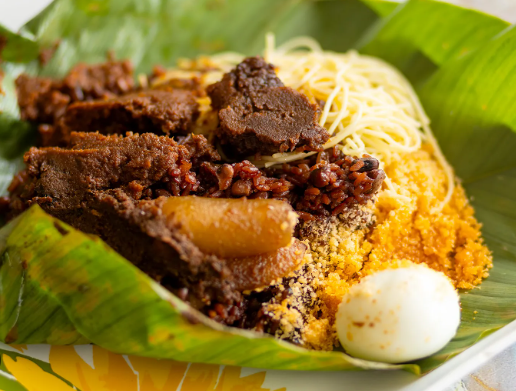
Ghanaian food culture is a vibrant tapestry woven from the country’s rich history, diverse ethnic groups, and local ingredients. Understanding this culinary heritage offers insight into the lives, customs, and traditions of Ghanaians.
1. Traditional Ingredients and Flavors
The foundation of Ghanaian cuisine lies in its traditional ingredients, which are often locally sourced and seasonally available. Key staples include rice, cassava, yams, and beans, which form the basis of many beloved dishes. Ghanaian cookery also prominently features spices like ginger, garlic, and chili peppers, which create the distinct flavors synonymous with the region.
In addition to grains and legumes, palm oil plays an essential role in many recipes, contributing unique depth and warmth. Dishes such as Jollof rice and light soup showcase these flavors beautifully. Seafood and meats, like chicken and goat, are usually marinated and cooked slowly to enhance their flavors, ensuring that meals are hearty and satisfying.
-
- Explore local markets to find fresh, seasonal ingredients.
-
- Experiment with palm oil in cooking for authentic flavor.
-
- Try using chili peppers to introduce heat into your dishes.
-
- Incorporate a variety of grains to add texture to your meals.
2. Popular Dishes and Their Significance
Among the most popular Ghanaian dishes, Jollof rice stands out for its celebratory nature, often served at gatherings and celebrations. This one-pot dish is celebrated for its rich flavor, combining tomatoes, onions, spices, and optional proteins. It has become so cherished that it has sparked a friendly rivalry among West African countries over who makes the best Jollof.
Another iconic dish is Fufu, a starchy accompaniment made from boiled cassava or yams, pounded until smooth. Fufu is traditionally served with soups such as light soup or groundnut (peanut) soup. The act of making Fufu is communal, involving family and friends in the preparation, thereby reinforcing bonds and social ties.
-
- Consider learning to make Jollof rice for festive occasions.
-
- Participate in Fufu-making preparations to enjoy the communal aspect.
-
- Explore different variations of soups to serve with Fufu.
-
- Don’t hesitate to try making your Jollof for personal gatherings!
3. The Role of Meals in Community and Family
In Ghana, meals serve not just to nourish the body but also to reinforce social ties. Family gatherings often center around food, with shared dishes symbolizing unity and togetherness. It’s common for friends and family to partake in communal eating, bringing everyone around a single bowl or platter to enjoy various dishes.
Celebrations and special occasions are incomplete without food that reflects the region’s culinary heritage. From weddings to funerals, traditional meals are a way to honor shared ancestry and shared experiences. The preparation of these meals often involves the entire community, fostering a sense of belonging and identity.
-
- Invite friends and family for communal meals to strengthen bonds.
-
- Celebrate special occasions with traditional dishes unique to your locality.
-
- Encourage children to be involved in meal preparations.
-
- Research local food traditions to enhance your dining experiences.
In conclusion, Ghanaian food culture is not just about eating but also about the stories, traditions, and connections that food fosters. By exploring these culinary practices, you can gain deeper insights into the heart of Ghanaian society. Don’t hesitate to try your hand at these traditional dishes or partake in local food events to experience this rich culture firsthand!