
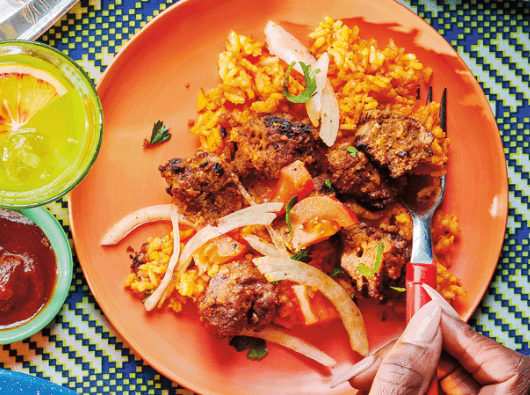
Nigerian cuisine is a vibrant tapestry of flavors, textures, and ingredients, showcasing the rich cultural heritage of the country. From spicy stews to hearty rice dishes, each recipe tells a story of tradition and communal gatherings.
1. Jollof Rice: The Quintessential Party Dish
Jollof rice is a beloved staple in Nigeria, often served at weddings, parties, and family gatherings. This one-pot dish is characterized by its fragrant tomatoes, onions, and bell peppers, which come together to create a rich and flavorful base. Many families have their own variations, sometimes incorporating chicken or seafood for added protein.
The secret to the perfect Jollof rice lies in the cooking method and the quality of ingredients. Fresh, ripe tomatoes and high-quality spices can make a significant difference. Many chefs recommend cooking over low heat to allow the flavors to meld beautifully, resulting in a dish that is both aromatic and delicious.
-
- Use basmati or long-grain rice for the best texture.
-
- Blend fresh tomatoes, bell peppers, and onions for the base.
-
- Cook at low heat to avoid burning the rice.
-
- Experiment with different proteins such as shrimp or chicken.
-
- For extra flavor, add bay leaves and thyme during cooking.
2. Egusi Soup: Nutritious and Hearty
Egusi soup is made from ground melon seeds, offering a unique flavor and rich nutritional profile. This dish is often enjoyed with pounded yam or eba, and is known for its thick, savory consistency that delights the palate. It’s a popular choice among many Nigerian families, especially during gatherings and celebrations.
The method of preparation varies by region, but the basic steps include sautéing onions, adding the ground egusi seeds, and simmering with water and assorted vegetables. The resulting soup is not only hearty but also packed with protein and healthy fats, making it a filling dish that is sure to satisfy.
-
- Toast egusi seeds lightly before grinding to enhance flavor.
-
- Add leafy vegetables like spinach or bitter leaf for extra nutrition.
-
- Incorporate assorted meats for a richer taste.
-
- Keep the soup covered while cooking to retain moisture.
-
- Serve with your choice of swallow, like pounded yam or fufu.
3. Suya: The Iconic Street Food
Suya is a popular street food in Nigeria, famous for its spicy, marinated skewered meat. Typically made with beef, chicken, or goat meat, it is seasoned with a blend of spices including ground peanuts, cayenne pepper, and various herbs. The skewers are grilled over an open flame, giving them a smoky flavor that is irresistible.
What sets suya apart is not just the spices but also the traditional preparation method. It’s often served with sliced onions, tomatoes, and spicy pepper sauce for dipping. This dish is perfect for outdoor gatherings and barbecues, inviting everyone to indulge in its distinctive flavors.
-
- Use fresh meat and marinate overnight for better flavor.
-
- Grill over charcoal for optimal smokiness.
-
- Serve with fresh vegetables to balance the spice.
-
- Try adding a pinch of salt on the meat before serving.
-
- Experiment with different proteins for unique variations.
4. Puff-Puff: The Sweet Treat
Puff-puff is a beloved Nigerian snack, soft and fluffy, often enjoyed at parties and gatherings. These sweet, deep-fried dough balls are made from a simple batter of flour, sugar, and yeast, making them a perfect treat to accompany spicy dishes. Some variations even include nuts or chocolate for an added twist.
The magic of puff-puff lies in its texture; it should be light and airy on the inside while golden brown on the outside. The key is to let the batter rise properly before frying, ensuring that each ball has the right consistency. They are best served fresh and warm, lightly dusted with powdered sugar.
-
- Allow the batter to rise for an hour for optimal fluffiness.
-
- Fry in hot oil to achieve a golden-brown exterior.
-
- Serve immediately for the best taste and texture.
-
- Experiment with flavors like cinnamon or vanilla for variety.
-
- Monitor the oil temperature to avoid greasy puff-puff.
Nigerian recipes are a wonderful way to experience the country’s rich cultural heritage. Each dish is a burst of flavors and stories that make gatherings special. So, gather your ingredients, invite some friends, and dive into the delightful world of Nigerian cuisine!