
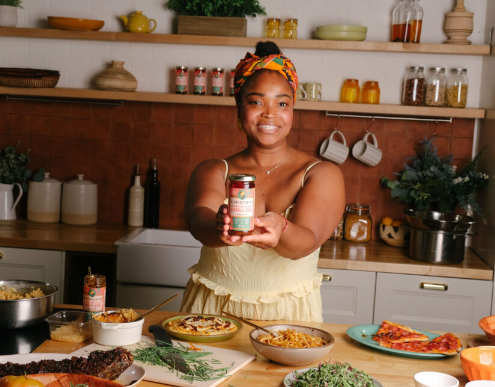
Ghanaian home cooking is a vibrant tapestry of flavors, colors, and traditions that reflects the rich cultural heritage of the country. From the bustling markets to family kitchens, every dish tells a story and serves as a connection to the past. Whether you are a seasoned cook or a curious novice, exploring Ghanaian cuisine can introduce you to the heart of West African culinary art.
1. The Essentials of Ghanaian Ingredients
In Ghana, cooking is heavily influenced by the availability of fresh, local ingredients. Staples such as rice, cassava, and maize are often the foundation of many dishes. Additionally, the use of spices like ginger, garlic, and chili peppers adds depth and richness. Cooking with locally sourced produce not only enhances flavor but also supports local farmers and the economy.
Commonly used ingredients include plantains, beans, and fish, which are integral to many traditional meals. For example, ‘jollof rice’ is a fiesta of rice cooked in a rich tomato sauce, typically served with chicken or fish. Beyond just the ingredients, the Ghanaians believe in the importance of homegrown flavor, leading to dishes that are vibrant, aromatic, and infinitely satisfying.
-
- Opt for fresh, local produce whenever possible.
-
- Familiarize yourself with essential spices like thyme and pepper.
-
- Experiment with different grains to find your favorite base.
-
- Don’t shy away from using fermented ingredients for added depth.
-
- Always try to balance flavors – sweet, spicy, and savory.
2. Iconic Ghanaian Dishes to Try
To truly embrace Ghanaian home cooking, you must try some of the country’s iconic dishes. Two of the most popular are ‘fufu’ and ‘waakye’. Fufu, a starchy staple made from pounded cassava and plantains, is best enjoyed with light soup or groundnut soup. Waakye, on the other hand, is a rice and beans dish often served with a variety of sides such as fried plantains, boiled eggs, and spicy stews.
Each dish has its unique preparation methods that reflect centuries of culinary tradition. For instance, the process of making fufu involves boiling the cassava and plantains before pounding them into a smooth consistency, which can be labor-intensive but is wholly rewarding. On the other hand, waakye is cooked with dried leaves to give it its distinctive color and flavor, making it a true Ghanaian breakfast favorite.
-
- Try making fufu using traditional mortar and pestle for authenticity.
-
- Keep your waakye warm in a pot covered with leaves or cloth.
-
- Don’t skip the side dishes; they enhance and complete every meal.
-
- Consider making these dishes in larger batches to share with friends.
-
- Pay attention to cooking times for optimal texture and flavor.
3. The Importance of Community in Ghanaian Cooking
Cooking in Ghana is not just a solo activity; it’s a communal experience. Traditionally, family members gather to prepare meals, share stories, and bond over food. Special occasions, such as weddings and festivals, often see larger groups coming together to create elaborate feasts that reflect the community’s cultural identity.
This communal aspect fosters a stronger sense of belonging and allows knowledge to be passed through generations. For instance, older family members often teach younger ones the secrets behind their favorite recipes, making the cooking process a cherished family tradition. This cultural nuance not only nourishes the body but also strengthens familial ties and community spirit.
-
- Invite friends or family to cook together for a meaningful experience.
-
- Share your cooking techniques and encourage others to do the same.
-
- Host a potluck to explore diverse dishes from Ghanaian cuisine.
-
- Create a recipe book that documents family cooking traditions to pass down.
-
- Encourage storytelling during cooking to enhance the experience.
Exploring Ghanaian home cooking offers a delightful journey through flavors and traditions. By embracing these dishes and the communal spirit behind them, anyone can bring a piece of Ghana into their kitchen. So, gather your loved ones, dive into these rich culinary traditions, and enjoy the process of preparing Ghanaian meals together.