
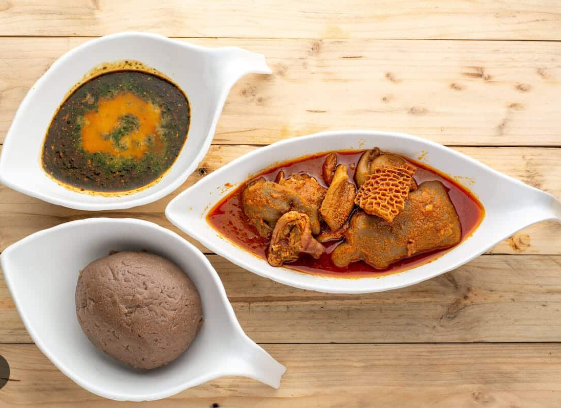
Nigerian cuisine is a rich tapestry of flavors and traditions that reflect the diverse cultural heritage of the country. Among its myriad dishes, comfort foods hold a special place in the hearts of many, offering not just nourishment but also a sense of home. This blog post explores some of the most beloved Nigerian comfort foods, their significance, and how you can enjoy them.
1. Jollof Rice
Jollof Rice is perhaps one of the most iconic dishes in Nigeria, often seen at celebrations, gatherings, and even casual family dinners. Made with rice, tomatoes, onions, and a blend of spices, this dish is not only visually appealing but also bursting with flavor. Each region has its unique twist, making it a versatile staple in Nigerian households.
The dish is typically served with fried plantains, grilled chicken, or meat. Its vibrant red color comes from the blend of tomatoes and red bell peppers, which not only enhances the look but adds freshness and depth of flavor. Making a pot of good Jollof Rice requires attention to detail; the balance of spices can transform an ordinary meal into an unforgettable one.
-
- Use quality long-grain rice for fluffy texture.
-
- Don’t skip the tomato base; it’s essential for flavor.
-
- Add bay leaves for an aromatic touch.
-
- Experiment with different proteins like chicken, beef, or shrimp.
-
- Pair it with fried plantains for a delightful combo.
2. Egusi Soup
Egusi Soup is another cherished comfort food that serves as a protein-rich staple in many Nigerian homes. Made from ground melon seeds (egusi), the soup is thickened with leafy greens and often includes meats and fish. Its rich, nutty flavor and hearty texture make it a favorite, especially when served with pounded yam or fufu.
Preparation involves toasting the ground melon seeds before adding them to the soup, enhancing the flavor profile. Each family often has its unique recipe, which can include additional ingredients like crayfish or palm oil, tailoring it to their taste preferences. This adaptability and depth of flavor make Egusi Soup not only comforting but also an expression of personal and cultural identity.
-
- Toast the melon seeds for added flavor complexity.
-
- Incorporate various greens like spinach or bitter leaf for health benefits.
-
- Use a mix of meats for a richer taste.
-
- Serve it fresh for optimal flavor and nutrition.
-
- Consider using a blender for a smoother consistency.
3. Suya
Suya is a popular street food that has gained iconic status in Nigerian culture. It consists of skewered, grilled meat (often beef or chicken) coated in a spicy peanut-based marinade. Juicy and filled with flavor, Suya is often served with sliced onions and tomatoes, making it not only a meal but also a social experience.
The preparation process involves marinating the meat in a blend of spices, including ground peanuts, cayenne pepper, and salt. The meat is then grilled to perfection, giving it that smoky, charred flavor. Suya is often enjoyed in the evenings when street vendors set up shop, creating a buzzing atmosphere full of laughter and delicious aromas.
-
- Marinate the meat for at least 3 hours—overnight is even better.
-
- Use a mix of spices for complexity: don’t be afraid to experiment!
-
- Ensure your grill is hot for that perfect char.
-
- Serve with fresh vegetables to balance the spiciness.
-
- Consider using alternative proteins like shrimp or tofu for variety.
4. Pepper Soup
Pepper Soup is a spicy and aromatic broth that is deeply rooted in Nigerian culture. Often made with fish, chicken, or goat meat, the soup is infused with a mix of spices, creating a dish that is both warming and deeply satisfying. It is frequently served as an appetizer or drunk straight from a bowl, especially during the rainy season or when feeling under the weather.
The distinct spicy flavor comes from ingredients like pepper, ginger, and local spices, which not only enhance taste but also offer health benefits. Many families make variations depending on personal preferences, often incorporating ingredients such as scent leaves or bitter leaves for added zest. It’s a versatile dish that can be adjusted according to taste and ingredients available.
-
- Use fresh ingredients for the best flavor profile.
-
- Don’t skimp on the spices; they are crucial to the dish.
-
- Consider adding lemon or lime for a tangy twist.
-
- Sip it hot for a comforting experience, especially during cold weather.
-
- Experiment with different proteins for varied flavor profiles.
5. Akara
Akara, or bean cakes, are a popular breakfast item and snack in Nigeria. Made from black-eyed peas that are blended into a smooth paste, mixed with onions and spices, and then deep-fried, Akara is crispy on the outside and soft on the inside. They are often enjoyed with a hot dip or served with a side of pap, a fermented corn pudding.
This dish is not only delicious but also nutritious, as black-eyed peas are an excellent source of protein. Preparing Akara involves blending soaked beans into a paste and frying spoonfuls in hot oil until golden brown. These little delights are a staple at street food stalls and are cherished for their satisfying crunch and savory flavor.
-
- Soak beans overnight for easier blending.
-
- Use a deep fryer for even cooking and crispiness.
-
- Incorporate spices like cayenne for added flavor.
-
- Serve hot to enjoy the best texture.
-
- Pair with a spicy dip for a flavor explosion.
Exploring Nigerian comfort foods is a delightful journey filled with rich flavors and cultural significance. Whether it’s a steaming bowl of pepper soup or a vibrant plate of Jollof Rice, these dishes not only soothe the soul but also bring families together. Why not try your hand at creating these comforting meals at home to enjoy the warmth and history they represent?