
Morocco’s vibrant culinary landscape is a celebration of flavors, aromas, and textures. Renowned for its use of spices and fresh ingredients, Moroccan cuisine offers a variety of dishes that reflect the country’s rich cultural heritage and diverse influences.
1. Tagine: The Heart of Moroccan Cuisine
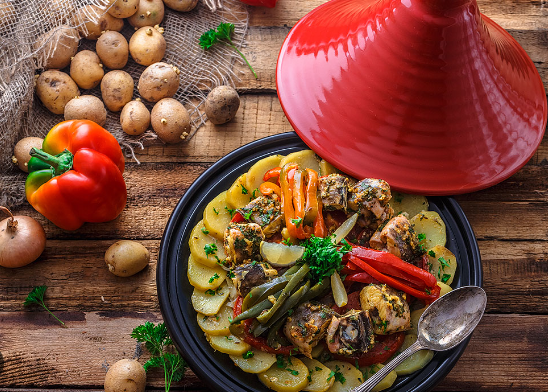
Tagine is not just a dish but a traditional cooking vessel that defines Moroccan cuisine. Made from clay or ceramic, the tagine pot promotes slow cooking, which allows flavors to meld beautifully. Common fillings include lamb, chicken, fish, and an array of vegetables, all simmered with aromatic spices like saffron, cumin, and coriander, often paired with dried fruits such as apricots or raisins.
There are numerous variations of tagine; each region has its own specialties. For example, the Tagine of Marrakech is famous for its sweet and savory combinations, while the coastal regions may feature seafood tagines sautéed with local spices. The best part about tagine is that it can be tailored to suit different dietary needs, making it a versatile favorite.
-
- Try different meats: Lamb, chicken, and vegetarian options all make excellent tagines.
-
- Experiment with spices: Don’t be afraid to mix and match spices for different flavor profiles.
-
- Serve with couscous: A traditional accompaniment that completes the meal.
-
- Use a slow cooker: If you don’t have a tagine, a slow cooker works as a great alternative.
2. Couscous: A Staple of Moroccan Diet
Couscous is often considered the national dish of Morocco and serves as a fundamental part of the country’s diet. Made from semolina wheat, it is steamed until light and fluffy and often served as a base for stews, meats, or vegetables. In Moroccan culture, couscous is typically eaten on Fridays, often served in a communal style that enhances the dining experience.
This dish offers endless possibilities for customization. You can add a variety of ingredients such as chickpeas, vegetables, nuts, and dried fruits for added texture and flavor. Moreover, couscous can be seasoned with spices or aromatics, making it suitable for both meat-based and vegetarian meals.
-
- Choose the right grains: Opt for whole grain couscous for a healthier option.
-
- Cook with broth: Use vegetable or chicken broth for added flavor.
-
- Add vegetables: Incorporate seasonal vegetables for a nutritious boost.
-
- Garnish with fresh herbs: Cilantro or parsley can brighten up the dish.
3. Pastilla: A Sweet and Savory Pie
Pastilla is a unique Moroccan dish that combines sweet and savory in a stunning flaky pastry. Traditionally made with pigeon or chicken, the filling is enriched with spices, almonds, and sugar, then wrapped in layers of thin pastry. Topped with powdered sugar and cinnamon, pastilla is often served during festive occasions or as a show-stopping centerpiece for dinner parties.
What sets pastilla apart is its intricate flavor profile, where the savory meat contrasts beautifully with the sweetness of the spices and sugar. While it may appear complex, home cooks can easily master this dish with practice, enjoying the creativity involved in layering and filling. Vegetarian versions using ingredients like mushrooms or chickpeas are also gaining popularity, broadening the appeal of this Moroccan classic.
-
- Use homemade pastry: If possible, making your own pastry enhances the taste and texture.
-
- Layer carefully: Take your time to layer the ingredients for even cooking.
-
- Experiment with fillings: Don’t hesitate to explore other types of meat or vegetables.
-
- Serve warm: Pastilla is best enjoyed warm, just out of the oven.
4. Harira: Nourishment in a Bowl
Harira is a beloved Moroccan soup typically enjoyed during Ramadan to break the fast. This hearty dish is packed with protein from lentils and chickpeas, alongside fresh herbs like cilantro and parsley, giving it a refreshing taste. As it simmers, the addition of tomatoes, onion, and a blend of spices creates a comforting and filling meal that nourishes the body.
Commonly served with dates and bread, harira varies from family to family, with each region showcasing its own versions. Some add fresh lemon juice, while others may include additional vegetables, making it incredibly versatile. Harira can easily be made in large batches and is perfect for meal prepping, ensuring you have a delicious and healthy option ready to go.
-
- Don’t skip the herbs: Fresh herbs are crucial for the authentic flavor.
-
- Adjust spices as you like: Feel free to add more spices based on your heat preference.
-
- Pair it with bread: Serve alongside Moroccan bread for a complete meal.
-
- Freeze leftovers: Harira freezes well, making it convenient for future meals.
5. Mint Tea: A Refreshing Tradition
Mint tea, often referred to as “Moroccan tea,” is more than just a beverage; it’s a cultural ritual steeped in hospitality. Typically made with green tea, fresh mint leaves, and plenty of sugar, this drink is served throughout the day and is an essential part of Moroccan social life. The way the tea is poured from a height is an art in itself, adding a flair to the serving process.
While traditionally sweet, you can adjust the sugar level to suit your taste. Mint tea is a versatile drink that can be enjoyed hot or iced, making it suitable for all seasons. It’s not uncommon to see it served with pastries or nuts as part of a snack or meal, representing warmth and welcome in Moroccan culture.
-
- Choose quality tea: Opt for high-quality green tea for the best flavor.
-
- Use fresh mint: Fresh mint leaves provide a refreshing taste compared to dried.
-
- Adjust sweetness: Experiment with sugar levels until you find your perfect balance.
-
- Practice pouring: The traditional high pour not only looks good but enhances the flavor.
With its diverse and flavorful dishes, Moroccan cuisine invites adventurous eaters to explore new tastes and traditions. Whether you’re preparing a festive meal or simply looking to savor a comforting dish, the richness of Moroccan food will undoubtedly delight your palate. Embrace the opportunity to try these dishes and expand your culinary horizons!